Understanding the different types of cranes is essential for project managers and contractors who want to improve lifting efficiency, reduce safety risks, and stay on schedule. Each crane type serves a unique purpose, and choosing the wrong one can lead to costly delays or operational challenges.
This guide focuses on the three major types of cranes widely used in construction and infrastructure projects today—Self Erecting Tower Cranes, Rough Terrain Cranes, and Truck Cranes—with practical selection advice for real job-site demands.
Table of contents
cnxjcm
Overview of the Main Types of Cranes
Cranes are designed to lift and transport heavy loads, but their mobility, lifting capacity, and site adaptability vary significantly. Some cranes deliver high mobility for fast deployment, while others offer superior lifting height or stability on challenging terrain.
By understanding these differences, contractors can make smarter decisions, improve workflow, and ensure safety compliance.
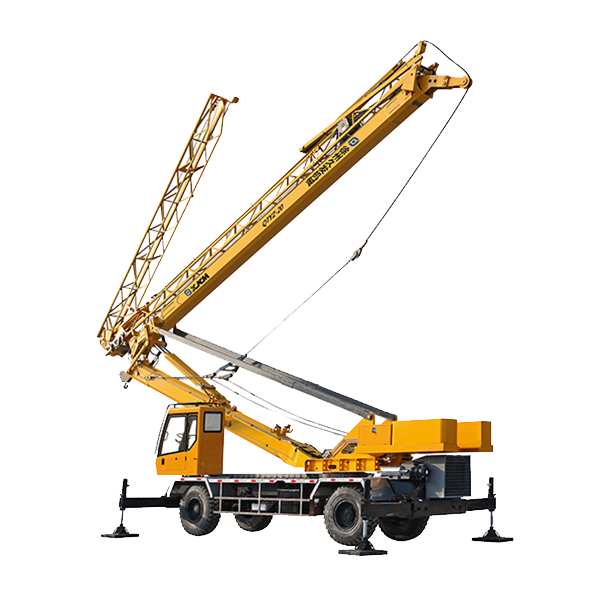
Self Erecting Tower Crane
What It Is
A self erecting tower crane sets up and dismantles quickly because it unfolds and positions itself with minimal labor. Its compact design makes it an excellent choice for urban construction sites where space is limited.
Key Features
- Fast installation and minimal ground preparation
- Compact footprint suitable for narrow sites
- Excellent lifting height for mid-rise buildings
Best Applications
Contractors commonly use self erecting tower cranes for residential buildings, small to medium commercial projects, and urban construction sites where efficiency and limited space matter.
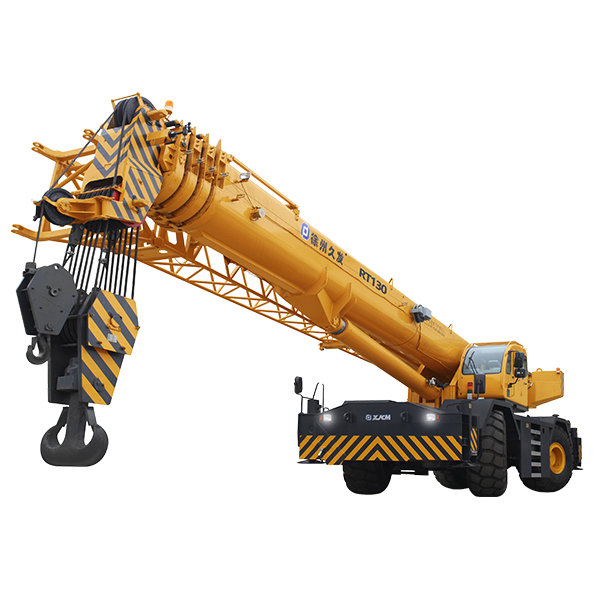
Rough Terrain Crane
What It Is
A rough terrain crane is built with large, heavy-duty rubber tires and a powerful suspension system to handle uneven or off-road construction environments. Its design provides stability on challenging surfaces where standard cranes struggle.
Key Features
- Exceptional mobility on rocky or uneven ground
- Single-engine or dual-engine operation (depending on model)
- High stability without additional support equipment
Best Applications
Contractors use rough terrain cranes extensively in bridge construction, oil and gas projects, energy facilities, and heavy industrial installations that demand reliable performance on challenging surfaces.
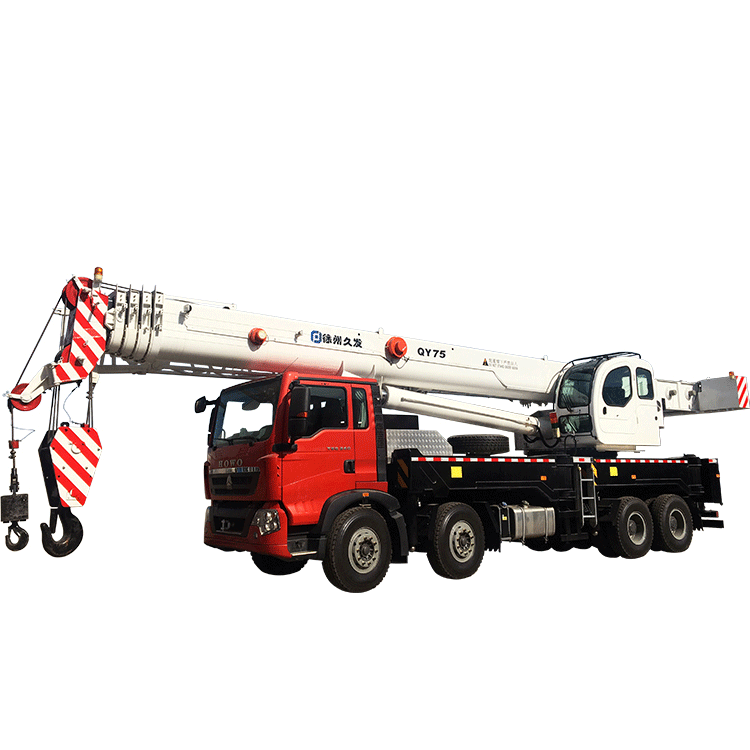
Truck Crane
What It Is
A truck crane is mounted on a commercial truck chassis, allowing it to travel quickly on public roads without additional transport vehicles. This makes it one of the most flexible cranes for multi-site operations.
Key Features
- High mobility and easy road travel
- Quick setup and repositioning
- Suitable for short-term lifting tasks
Best Applications
Truck cranes are ideal for emergency lifting, utility maintenance, municipal projects, small construction jobs, and any scenario requiring rapid deployment across different locations.
How to Choose the Right Crane Type
Selecting the right crane depends on several critical factors:
1) Site Conditions
Urban sites favor self erecting tower cranes. Uneven terrain requires rough terrain cranes. Multi-site projects benefit from truck cranes.
2) Lifting Capacity and Height
Match the crane’s working radius, lifting height, and maximum load with the project’s engineering requirements.
3) Mobility Needs
Truck cranes are best when frequent relocation is required. Rough terrain cranes excel when mobility is needed within a difficult site.
4) Setup Time and Project Schedule
Self erecting tower cranes reduce installation time dramatically, while truck cranes support fast deployment with minimal site assembly for short-duration lifts.
5) Cost Efficiency
Consider total cost, including transportation, setup, operation, maintenance, and productivity impact.
How Our Cranes Support Modern Construction Needs
At XJCM, our focus has always been on developing crane solutions that match the real working conditions of construction and infrastructure projects. Each of our crane models—whether self erecting tower cranes, rough terrain cranes, or truck cranes—is engineered to deliver reliable lifting performance under demanding environments.
By combining practical design, stable operation, and adaptable configurations, our cranes help project teams streamline lifting tasks, maintain safety standards, and keep construction progress on schedule.
Conclusion
Choosing the right type of crane can significantly influence lifting efficiency, project safety, and overall costs. By understanding the characteristics of self erecting tower cranes, rough terrain cranes, and truck cranes, project managers can make informed decisions that improve workflow and reduce risks.
For construction companies seeking dependable lifting equipment, our crane solutions offer a balance of strength, mobility, and advanced engineering. Contact our team to discuss your project needs and find the crane model that best supports your operational goals.


