يتم شحن الرافعات المتنقلة دوليًا باستخدام إحدى طريقتين رئيسيتين — سفن RoRo (الدحرجة للداخل/الخارج) للرافعات التي يمكن قيادتها على متنها سليمة، أو الشحن بالحاويات المسطحة/الحاويات للوحدات الأكبر التي تتطلب تفكيكًا جزئيًا أولاً. يعتمد الاختيار على حجم الرافعة، والبنية التحتية للميناء في كلا الطرفين، ومقدار ما يرغب المشتري في إنفاقه على التغليف مقابل تكلفة إعادة التجميع. بالنسبة لرافعة شاحنة بوزن 25 طنًا، قد يعني ذلك قيادتها مباشرة إلى سفينة RoRo؛ أما بالنسبة لرافعة وعرة بوزن 160 طنًا، فهذا يعني دائمًا تقريبًا سحب الذراع والأثقال الموازنة وأحيانًا الركائز قبل أن تصل إلى ساحة الحاويات.
RoRo مقابل الشحن بالحاويات: أيهما يناسب رافعتك فعلاً؟
إليك الخطأ الذي يرتكبه الكثير من المستوردين لأول مرة: يفترضون أن الشحن بالحاويات أرخص دائمًا. ليس كذلك — ليس بمجرد أن تأخذ في الاعتبار التغليف، وتأجير الرافعة للتحميل، والعمالة اللازمة للتفكيك وإعادة التجميع. شحن RoRo، حيث يتم قيادة الرافعة حرفيًا على منحدر إلى السفينة وتثبيتها بالسلاسل، غالبًا ما يكون الخيار الأرخص والأسرع لأي شيء يمكن أن يتحرك بقوته الذاتية ويناسب حدود ارتفاع السطح.
العيب هو أن RoRo يعمل فقط إذا كان كل من ميناء المنشأ وميناء الوجهة يحتويان على محطات قادرة على التعامل مع RoRo. ليس كل ميناء كذلك. الموانئ في أجزاء من غرب أفريقيا أو دول رابطة الدول المستقلة غير الساحلية التي يتم الوصول إليها عبر ميناء ثانوي غالبًا ما تفتقر إلى هذه البنية التحتية، مما يدفع الشحنة نحو الشحن بالحاويات المسطحة أو الحاويات بشكل افتراضي — بغض النظر عن تفضيل المشتري.
متى يكون الشحن بالحاويات المسطحة أفضل؟
تعتبر الحاويات المسطحة منطقية للرافعات التي يزيد وزنها عن حوالي 60-80 طنًا، حيث تصبح حدود وزن السطح على سفن RoRo قيدًا حقيقيًا، أو عندما لا يكون ميناء الوجهة مجهزًا ببساطة للبضائع التي تُقاد على متنها. إن رافعة وعرة بوزن 160 طنًا لا تسافر أبدًا مجمعة بالكامل تقريبًا — فهي طويلة جدًا وثقيلة جدًا وواسعة جدًا بالنسبة لمنحدرات RoRo القياسية وممرات السطح.
ما الذي يتم تفكيكه فعليًا قبل الشحن؟
يتخيل معظم المشترين أن الرافعة بأكملها يتم تمزيقها. في الواقع، تتم إزالة مكونات محددة فقط — بما يكفي لتناسب حدود حزمة الشحن، وليس تفكيكًا كاملاً. تتضمن قائمة التفكيك النموذجية لرافعة وعرة أو رافعة شاحنة أكبر:
- أقسام الذراع (إذا تجاوز الذراع التلسكوبي حدود الارتفاع/الطول)
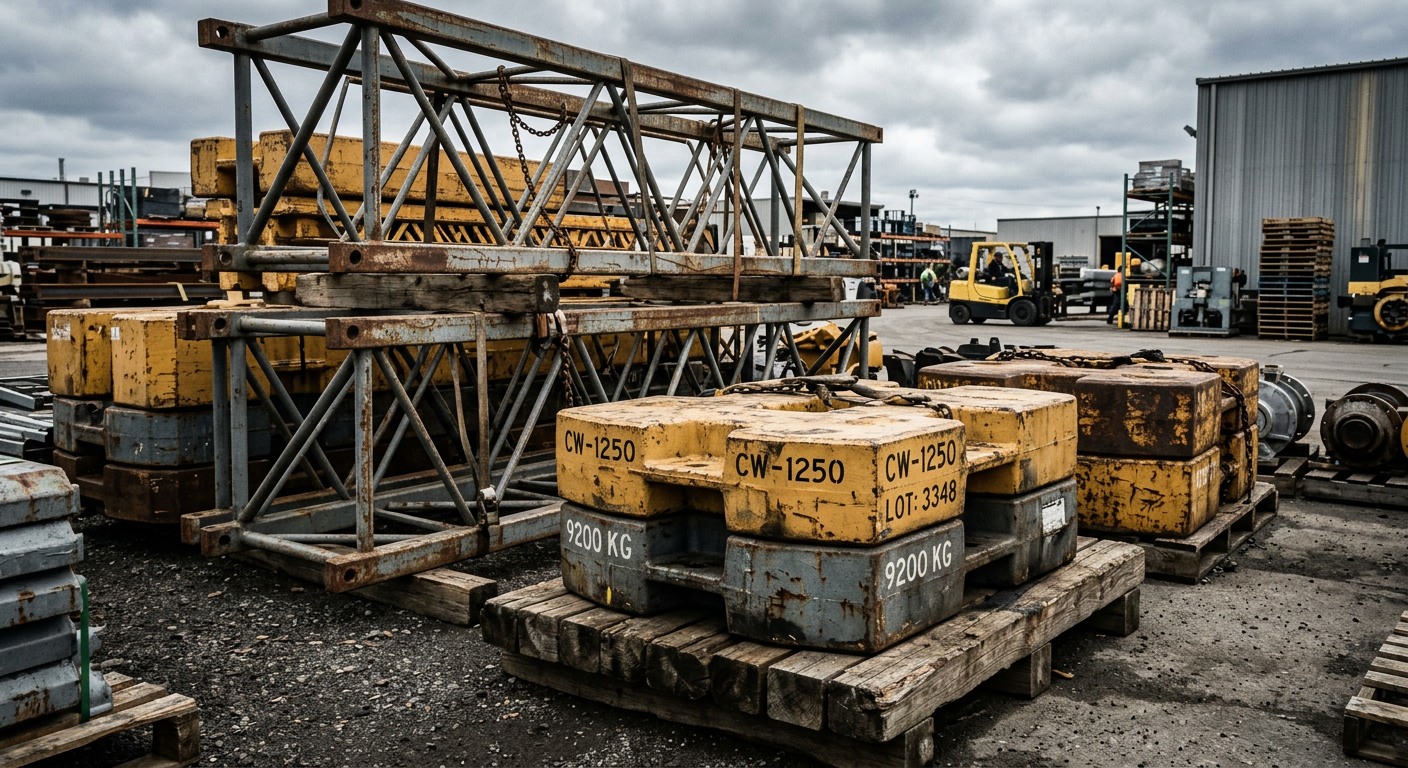
- الأثقال الموازنة، التي تتم إزالتها وشحنها بشكل منفصل لتقليل وزن السطح
- عوارض الركائز، إذا كانت تمتد إلى ما بعد عرض النقل للمركبة
- كتل الخطاف وملحقات الحبال، معبأة بشكل منفصل لمنع التلف
الهيكل الحامل والكابينة والمحرك والشاسيه تظل مجمعة دائمًا تقريبًا — تفكيك هذه الأجزاء يضيف مخاطر وتكاليف إعادة تجميع هائلة مقابل فائدة شحن قليلة جدًا. سوف يخبرك المصنّع الجيد مسبقًا بالضبط بما سيتم إزالته ويعطيك قائمة مراجعة لإعادة التجميع قبل مغادرة الرافعة للمصنع.
مثال واقعي
على سبيل المثال، موزع يشحن رافعة وعرة بوزن 75 طنًا إلى ميناء في الشرق الأوسط عادةً ما يرى الأثقال الموازنة وامتدادات الركائز تتم إزالتها وتعبئتها على زلاجات خشبية، بينما يبقى الذراع منكمشًا ولكنه متصل. هذا القرار الواحد — إبقاء الذراع متصلاً بدلاً من تقسيمه — يمكن أن يوفر يومًا كاملاً من عمالة إعادة التجميع في الوجهة.
المستندات التي قد تصنع الجدول الزمني أو تحطمه
تسبب المستندات المفقودة تأخيرات في الشحن أكثر من المشاكل الميكانيكية على الإطلاق. يمكن أن يؤدي التوقف الجمركي في ميناء الوجهة إلى بقاء الرافعة في ساحة لأسابيع — ورسوم التأخير تتراكم بسرعة، غالبًا 50-150 دولارًا في اليوم اعتمادًا على الميناء.
المستندات الأساسية التي تحتاجها كل شحنة رافعة:
- فاتورة تجارية وقائمة تعبئة مطابقة تمامًا لسند الشحن
- شهادة المنشأ (حرجة للمشترين الذين يطالبون بمعدلات تعريفة تفضيلية)
- شهادات CE أو ISO أو شهادات الامتثال ذات الصلة اعتمادًا على متطلبات سوق الوجهة
- شهادات الوزن والأبعاد لكل مكوّن مُعبأ في صناديق — سيلاحظ موظفو الجمارك أي تباين فورًا
يجب على المشترين الذين يستوردون إلى أسواق ذات معايير صارمة للانبعاثات أو السلامة تأكيد متطلبات الاعتماد قبل بناء الرافعة، وليس بعد وصولها إلى البحر. إعادة صياغة الوثائق بعد الشحن هي عملية متعبة لا يرغب بها أحد.
التعامل في الميناء والتسليم الداخلي: الجزء الذي يقلل المشترون من شأنه
إخراج الرافعة من السفينة هو نصف المهمة فقط. غالبًا ما تكلفة التسليم الداخلي من الميناء إلى موقع العمل أكثر مما يخصصه الناس في ميزانيتهم، خاصة في المناطق ذات البنية التحتية المحدودة للنقل الثقيل.
إعادة التجميع في الميناء أو الساحة
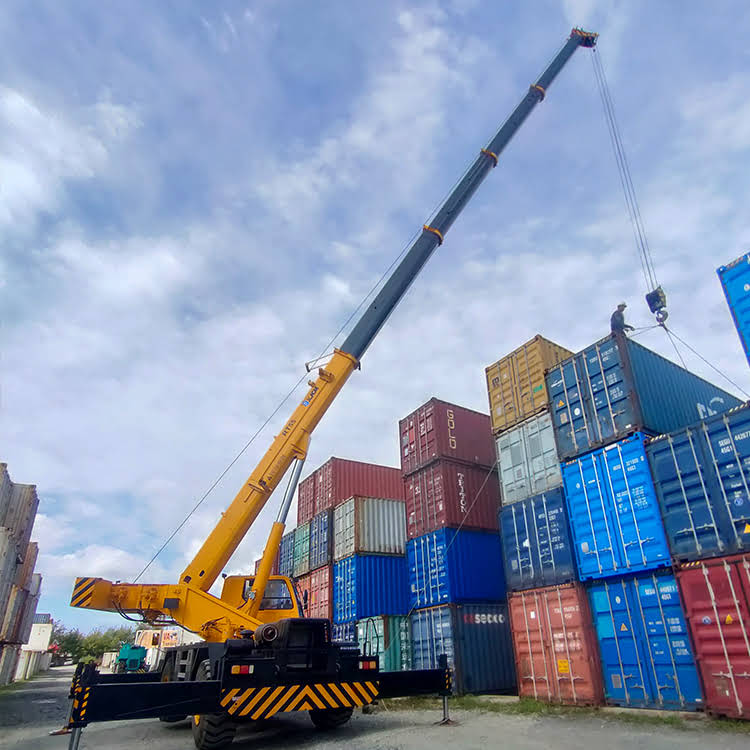
عادةً ما تتم إعادة التجميع في ساحة جمركية قريبة من الميناء بدلاً من موقع العمل النهائي، حيث يتطلب دعمًا برافعة (غالبًا رافعة متحركة أصغر) لرفع أقسام الذراع والأثقال الموازنة إلى مكانها. خصص من يوم إلى ثلاثة أيام لإعادة التجميع لرافعة RT متوسطة الحجم، وأطول للوحدات الأكبر أو تلك المشحونة بذراع مقسم بالكامل.
نقلها داخليًا
بمجرد إعادة التجميع، عادةً ما تقود الرافعة نفسها إلى الموقع إذا سمحت ظروف الطريق — هذه ميزة تتمتع بها الرافعات الوعرة ورافعات الشاحنات على الرافعات الزاحفة، التي تحتاج إلى مقطورات منخفضة لكل ميل. لكن المشترين الذين ينقلون المعدات إلى مناطق نائية، على غرار تحديات التضاريس التي تناولناها في مقالنا عن مشاريع مد خطوط الأنابيب في التضاريس النائية، يجب أن يأخذوا في الاعتبار حدود وزن الجسور والوصول عبر الطرق غير المعبدة قبل افتراض أن الرافعة يمكنها القيادة الذاتية طوال المسافة.
اعتبارات خاصة للرافعات البرجية ذاتية الرفع
تُشحن الرافعات البرجية ذاتية الرفع بشكل مختلف عن رافعات الشاحنات أو رافعات RT لأنها مصممة لتُطوى في مساحة نقل مدمجة بطبيعتها. هذه في الواقع أكبر ميزة شحن لها — رافعة ذاتية الرفع في فئة 1-4 طن غالبًا ما تُشحن كوحدة واحدة مطوية على حاوية مسطحة قياسية، دون الحاجة إلى تقسيم الذراع على الإطلاق.
هذا الأمر مهم جدًا للمشترين الذين ينفذون مشاريع رافعات برجية ذاتية الرفع في أسواق الإسكان الحضري، حيث تحتاج الرافعة إلى الوصول جاهزة للفتح والبدء في العمل خلال ساعات وليس أيام. قارن ذلك برافعة RT بسعة 100 طن تتطلب طاقم إعادة تجميع كامل، ومن السهل أن ترى لماذا تحظى الوحدات ذاتية الرفع بشعبية لدى المقاولين الصغار دون دعم رفع ثقيل في وضع الاستعداد.
عوامل التكلفة التي يخطئ المشترون في تقديرها باستمرار
عروض الأسعار للشحن لا تكشف أبدًا القصة كاملة. البنود التي ينسى المشترون تخصيص ميزانية لها:
- استئجار رافعة للتحميل والتفريغ في كلا الميناءين — هذا غير مشمول في أسعار الشحن البحري
- التأمين الذي يغطي قيمة الاستبدال الكاملة، وليس فقط قيمة البضاعة المعلنة، لأن مطالبات تلف الرافعات تُنازع عليها باستمرار بشأن التقييم
- غرامات التأخير والتخزين إذا تجاوز التخليص الجمركي الفترة المجانية (عادة 5-7 أيام)
- عمالة إعادة التجميع وأي أدوات متخصصة التي تحتاجها الرافعة وغير متوفرة بشكل قياسي في ساحة الوجهة
قاعدة تقريبية: خصص مبلغًا إضافيًا بنسبة 8-15٪ فوق عرض الشحن البحري الأساسي لتغطية تكاليف المناولة هذه. المشترون الذين يتجاهلون هذا غالبًا ما يفاجأون عندما تصل الفاتورة النهائية من وكيل الشحن.
العمل مع مصنّع يفهم لوجستيات التصدير
ليست كل مصانع الرافعات تشحن دوليًا بشكل منتظم، وهذا يظهر. الشركة المصنعة التي صدرت إلى أكثر من 40 دولة قد حلت بالفعل لغز التفكيك والتعبئة والوثائق لمعظم موانئ الوجهة الرئيسية — مما يعني مفاجآت أقل للمشتري.
هذا مهم بشكل خاص للمشترين الذين يقارنون رافعات الشاحنات للبيع أو رافعات متحركة وعرة بسعة 70 طن من موردين متعددين. اسأل على وجه التحديد: هل شحن هذا المصنع إلى منطقتي من قبل؟ ما هي حزمة التفكيك القياسية؟ من يوفر الإشراف على إعادة التجميع في الوجهة؟ إذا كانت الإجابات غامضة، فهذه علامة تحذيرية تستحق أخذها على محمل الجد قبل توقيع العقد.


