دورة التشغيل — وليس السعة القصوى المقدرة — هي ما يحدد فعليًا ما إذا كانت الرافعة ستتحمل المهمة المخصصة لها. الرافعة التي ترفع بالقرب من حدها الأقصى عدة مرات فقط في اليوم تحتاج إلى تصميم هيكلي وهيدروليكي مختلف تمامًا عن تلك التي تقوم بـ 15 رفعة في الساعة بنسبة 70% من السعة، حتى لو كانت كلتاهما تحملان نفس مخطط الحمولة على الورق. إذا أخطأت في حساب دورة التشغيل، فستواجه إجهادًا مبكرًا في ذراع الرافعة، وفشلًا في أختام الأسطوانات، ونزاعات حول الضمان خلال 18 شهرًا — وليس خمس إلى عشر سنوات.
جدول المحتويات
cnxjcm
ما الذي تعنيه دورة التشغيل فعليًا للرافعة
يفكر معظم المشترين في اختيار الرافعة من بُعد واحد: كم طنًا أحتاج إلى رفعه؟ هذا فقط نصف المعادلة. تصف دورة التشغيل عدد مرات التشغيل، ومدى الثقل، ومدة تشغيل الرافعة بالنسبة إلى سعتها المقدرة — وهي العامل الأكبر الذي يستخدمه المهندسون لتحديد عمر التعب الهيكلي.
ذراع الرافعة الفولاذي، ولحامات الهيكل العلوي، والأسطوانات الهيدروليكية لا تفشل بسبب رفعة واحدة كبيرة. إنها تفشل بسبب آلاف دورات الإجهاد المتراكمة على مدى أشهر أو سنوات. رافعتان بجدول حمولة 50 طنًا متطابق يمكن أن يكون لهما عمر خدمة مختلف تمامًا اعتمادًا على ما إذا كانت إحداهما تقوم بـ 3 رفعات يوميًا بحمولة 20 طنًا والأخرى تقوم بـ 40 رفعة يوميًا بحمولة 35 طنًا.
يقوم المصنعون بتصنيف ذلك باستخدام فئات طيف الحمولة (مماثلة لمعايير FEM/ISO 4301 أو معيار DIN 15018 الأقدم)، والتي تجمع بين متوسط نسبة الحمولة وإجمالي دورات الرفع المتوقعة على مدى العمر التصميمي للرافعة.
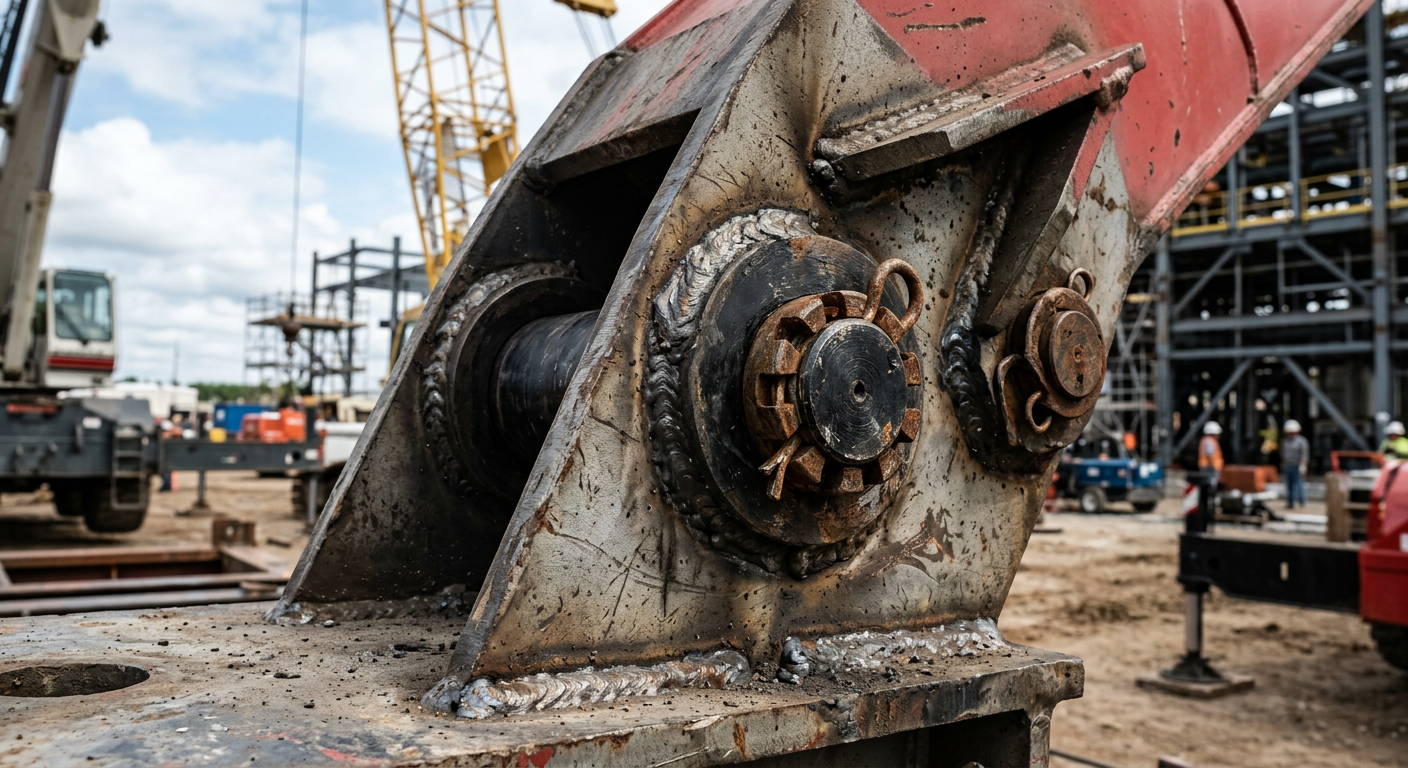
المتغيرات الثلاثة التي تحدد تصنيف دورة التشغيل
تردد الرفع
كم عدد دورات الرفع في الساعة أو في الوردية؟ الرافعة التي تقوم بـ 2-3 رفعات في الساعة في مشروع سكني صغير تواجه ملف تعب مختلفًا تمامًا عن تلك التي تعمل بدورات التقاط وحمل مستمرة في ساحة الخرسانة مسبقة الصب.
نسبة الحمولة
هذا هو متوسط الحمولة كنسبة مئوية من السعة المقدرة للرافعة — وليس الحد الأقصى. رافعة بسعة 50 طنًا ترفع باستمرار حمولات 15 طنًا تتعرض لإجهاد أقل بكثير من تلك التي ترفع 35 طنًا بشكل متكرر، حتى لو لم تتجاوز أي منهما المخطط.
ساعات العمل
ساعات العمل اليومية والسنوية تضاعف العاملين الآخرين. الرافعة التي تعمل بنظام الورديات المزدوجة لمدة 16 ساعة في الميناء تتراكم لديها دورات تعب تعادل عقدًا من الزمن في سنتين أو ثلاث سنوات مقارنة بمقاول عام بنظام وردية واحدة.
اضرب هذه العوامل الثلاثة معًا وستحصل على الصورة الحقيقية. جهازان بنفس الحمولة تقريبًا يمكن أن يكون لهما متطلبات متانة واقعية مختلفة تمامًا — وهذا هو السبب بالضبط في أن اختيار حمولة الرافعة بناءً على السعة فقط غالبًا ما يؤدي إلى قرار شراء خاطئ.
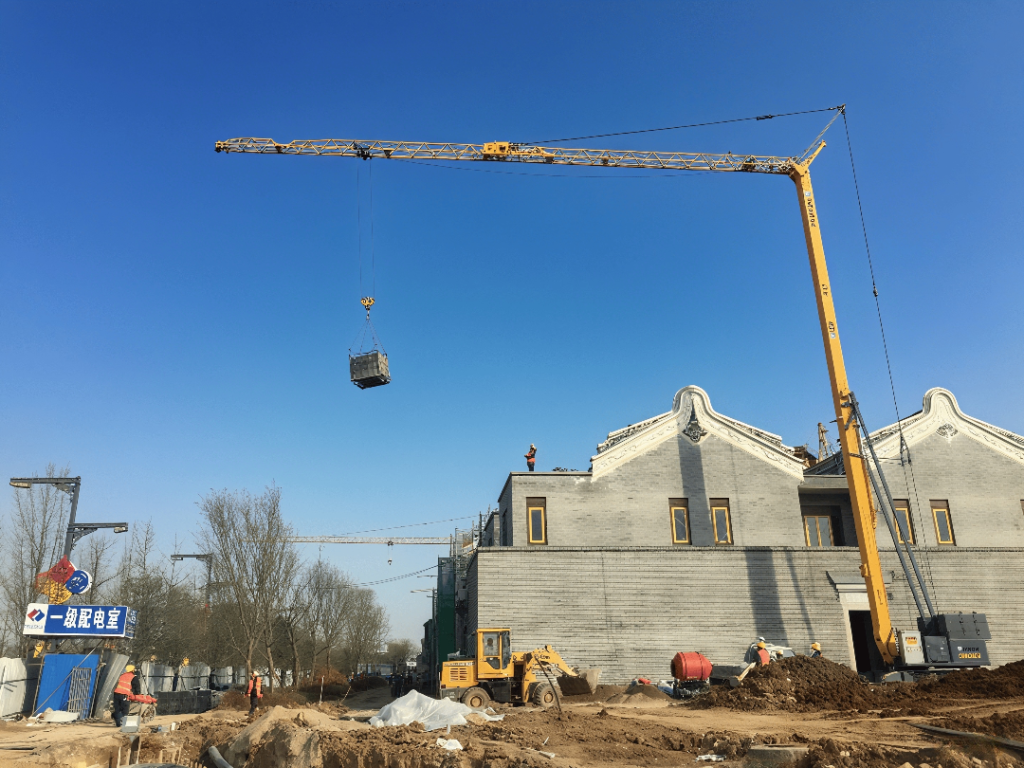
لماذا يمكن أن يكون لرافعتين بنفس السعة تصنيفات دورة تشغيل مختلفة
إليك شيئًا لا يدركه الكثير من المشترين: يمكن بناء نفس طراز الرافعة بحزم تقوية هيكلية مختلفة اعتمادًا على فئة التشغيل المحددة لها. رافعة شاحنة 50 طن مخصصة لأسطول تأجير يقوم بعمل التقاط وحمل مستمر تحتاج إلى جدران مقطع ذراع أكثر سمكًا، وصناديق ركائز معززة، وأختام أسطوانات هيدروليكية بمواصفات أعلى من نفس الطراز الأساسي المباع للاستخدام العام من قبل مقاولين من حين لآخر.
هذا أيضًا هو السبب في أن مقارنات الأسعار بين الموردين يمكن أن تكون مضللة. قد يعكس السعر الأقل حزمة هيكلية أخف مناسبة للرفعات العرضية ولكنها لن تتحمل الاستخدام الدوري الثقيل. اسأل دائمًا عن فئة التشغيل التي صُنعت الآلة المقتبس سعرها فعليًا — وليس فقط سعتها القصوى.
مثال واقعي: عمليات الموانئ مقابل البناء العام
ضع في اعتبارك مشترين يقيمان رافعة 70 طن للطرق الوعرة. المشتري (أ) هو مقاول عام يقوم بأعمال تركيب الهياكل الفولاذية — ربما 8-10 رفعات يوميًا، بمتوسط 35% من السعة المقدرة، في وردية واحدة مدتها 8 ساعات. المشتري (ب) هو مشغل لوجستي في الميناء يتعامل مع نقل المعدات المجاورة للحاويات وإعادة تموضع الآلات، ويعمل بورديتين، بمتوسط 60% من السعة المقدرة مع أكثر من 20 دورة رفع في كل وردية.
من غير المرجح أن تقترب رافعة المشتري (أ) من حد عمر الكلال التصميمي حتى بعد عقد من الزمن. أما رافعة المشتري (ب)، إذا تم تحديدها بنفس الحزمة الهيكلية القياسية، فقد تظهر تشققات في لحامات ذراع الرافعة أو تآكل مبكر في محامل الدوران خلال 3-4 سنوات. يحتاج مشغل الميناء إلى هيكل مصمم للخدمة الشاقة، ومضخات هيدروليكية ذات سعة أعلى للدورات المستمرة، وربما نظام تبريد محسّن — مخطط الحمولة وحده لا يخبرك بأي من هذا.
هذا هو بالضبط نوع عدم التطابق الذي نراه عندما تطلب فرق المشتريات عروض أسعار بناءً على الحمولة فقط دون وصف أنماط الاستخدام الفعلية.
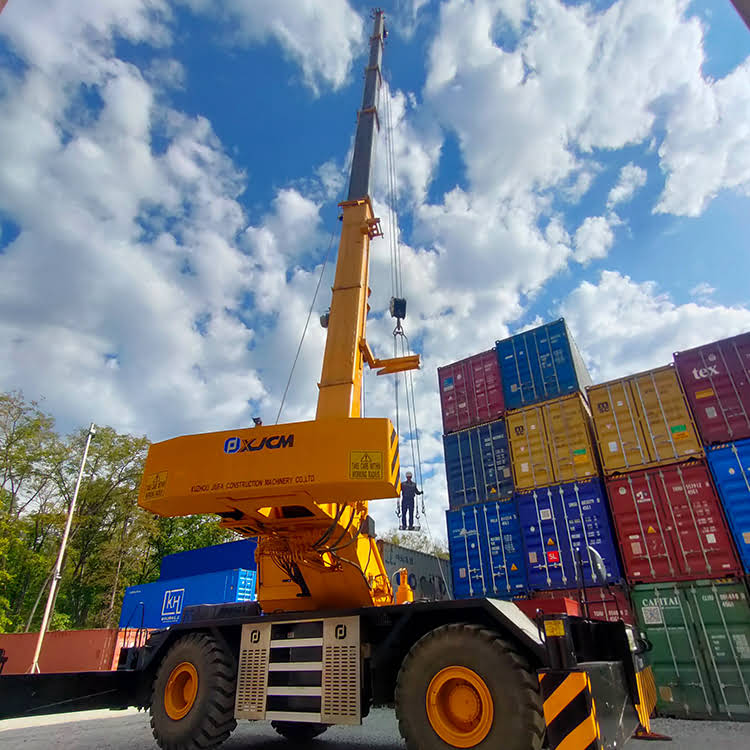
كيف تؤثر دورة التشغيل على اختيار النظام الهيدروليكي
يحظى الكلال الهيكلي بمعظم الاهتمام، لكن المكونات الهيدروليكية تفشل بشكل أسرع بسبب دورات التشغيل العالية أيضًا. فتمديد/سحب ذراع الرافعة المتكرر ودورات الرفع تسخّن الزيت الهيدروليكي، وتسرّع تآكل الأختام، وتجهد صمامات التنفيس.
- الخدمة الخفيفة: تبريد زيت قياسي، أختام أسطوانات بدرجة قياسية
- الخدمة الثقيلة/الشاقة: مبردات زيت كبيرة الحجم، مركبات أختام عالية الحرارة، ترقية أنظمة الترشيح للتعامل مع التلوث الناتج عن الدورات المستمرة
إذا كنت تخصص رافعة للتشغيل المستمر متعدد الورديات — دعم التعدين، صيانة المصانع الصناعية، أو أعمال الموانئ — فأصر على الحزمة الهيدروليكية للخدمة الشاقة. إنها تكلف أكثر مقدمًا ولكنها تتجنب مشكلة إعادة إحكام الأسطوانات واستبدال المضخات كل 12-18 شهرًا، وهي مشكلة أكثر تكلفة بكثير.
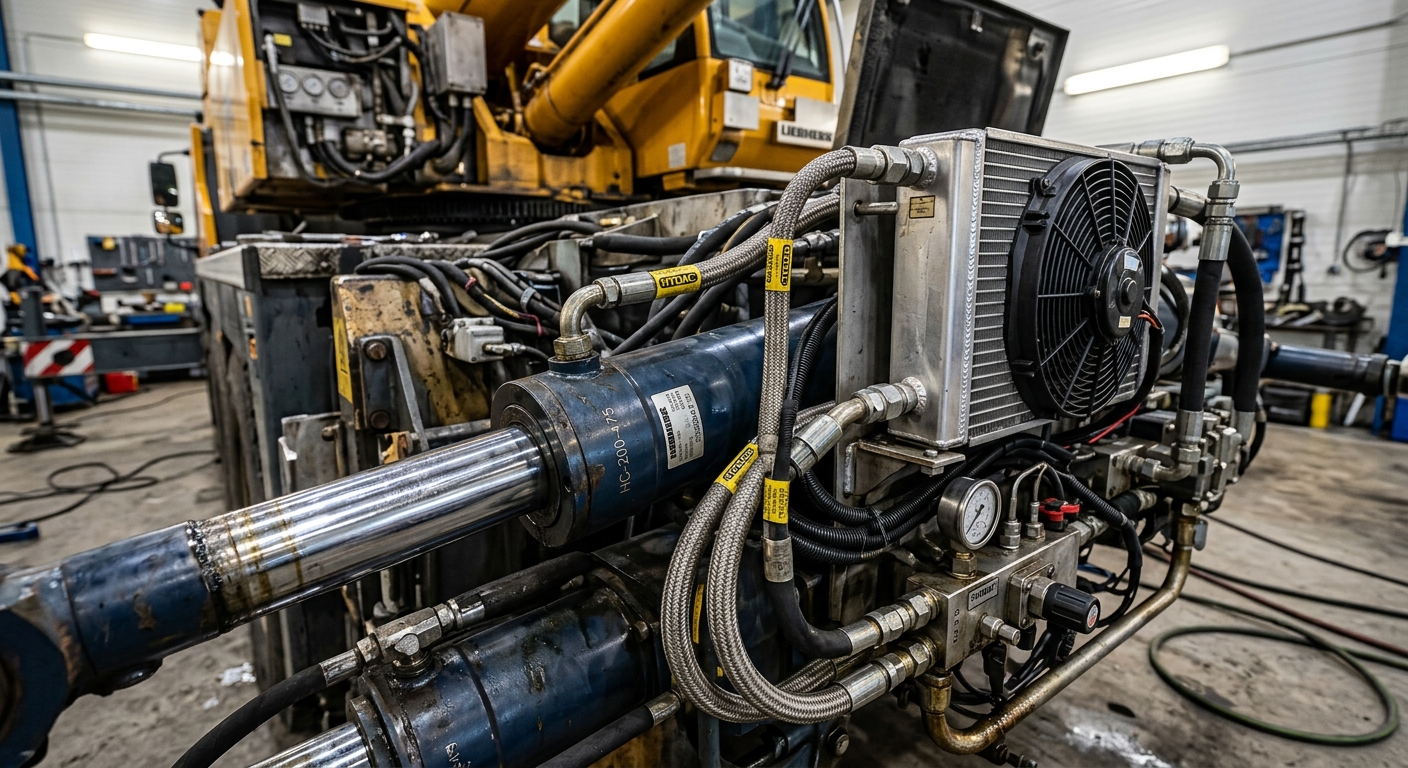
مواءمة دورة التشغيل مع نوع التطبيق
تتميز الصناعات المختلفة بملامح دورة عمل مميزة ويمكن التنبؤ بها إلى حد كبير. معرفة ملفك قبل التحدث إلى المورد يوفر الكثير من الجدل ذهابًا وإيابًا.
البناء العام والتشييد
عادةً ما تكون الخدمة خفيفة إلى متوسطة. الرفعات متباعدة، والأحمال تختلف بشكل كبير، وغالبًا ما تظل الآلات خاملة بين المهام. الحزمة الهيكلية القياسية على رافعة وعرة بقدرة 25 طنًا أو ما شابه ذلك عادة ما تكون كافية.
الخرسانة مسبقة الصب وساحات المصانع
خدمة متوسطة إلى ثقيلة. رفعات متكررة لأحمال متشابهة الوزن طوال اليوم. نقاط التآكل مثل محامل البكرات وحبال الأسلاك تحتاج إلى مراقبة أوثق.
الموانئ وأساطيل التأجير والمواقع الصناعية
خدمة ثقيلة إلى شديدة. عدد دورات مرتفع، وساعات عمل ممتدة، وأحيانًا مشغلون متعددون في كل وردية. يجب أن تحدد هذه العمليات دائمًا الحزم الهيكلية والهيدروليكية للخدمة الشاقة بغض النظر عن التكوين القياسي.
الاستجابة للطوارئ والاحتياط
عدد دورات منخفض ولكنه يتطلب غالبًا جاهزية سريعة بالسعة الكاملة. دورة العمل هنا أقل ارتباطًا بالكلال وأكثر بالموثوقية بعد فترات الخمول الطويلة — اعتبارات صيانة مختلفة تمامًا.
أسئلة يجب طرحها على مورد الرافعة حول دورة التشغيل
معظم المشترين يسألون عن السعة القصوى وطول الذراع والسعر. قليلون يسألون الأسئلة التي تحدد الموثوقية طويلة الأجل. اطرح هذه الأسئلة في محادثتك القادمة مع المورد:
- ما فئة دورة العمل/طيف الأحمال التي تم تقييم هذا التكوين الهيكلي المحدد لها؟
- ما هو عمر الكلال المتوقع بالدورات، وليس بالسنوات فقط؟
- هل يمكن ترقية الحزمة الهيدروليكية للاستخدام المستمر متعدد الورديات؟
- ما خيارات التقوية الموجودة لأقسام الذراع وهياكل الركائز تحت الأحمال الدورية الثقيلة؟
الشركة المصنعة التي يمكنها الإجابة على هذه الأسئلة تحديدًا — بدلاً من الإشارة مرة أخرى إلى مخطط الحمولة العام — هي التي تهندس فعليًا لدورة العمل بدلاً من مجرد بيع الحمولة. هذا التمييز مهم أكثر مع مصانع شاحنات الرافعات التي تصدر إلى بيئات صعبة حيث تكون فترات الخدمة أطول وتكلفة التوقف عن العمل أعلى.
سوء حساب دورة التشغيل: ما الذي يكلفك لاحقًا
عدم تحديد دورة العمل بشكل كافٍ لا يظهر في اليوم الأول. يظهر بعد 18-30 شهرًا، على شكل تشققات شعرية بالقرب من لحامات ذراع الرافعة، أو تآكل في حلقة الدوران، أو أسطوانات هيدروليكية تحتاج إلى إعادة إحكام في وقت أبكر بكثير من المتوقع. بحلول ذلك الوقت، من المحتمل أنك فقدت تغطية الضمان لأن الماكينة تم تشغيلها خارج فئة العمل المقدرة لها.
الحل ليس معقدًا — إنه محادثة تجريها قبل الشراء، وليس إصلاحًا تقوم به بعد ذلك. أخبر موردك بصدق عن عدد الرفعات في كل وردية، ومتوسط نسبة الحمولة، وعدد ساعات التشغيل في اليوم. هذه البيانات تستحق أكثر لاختيار الرافعة الصحيحة من مقارنة ورقة مواصفات أخرى.


