-
 30Oct
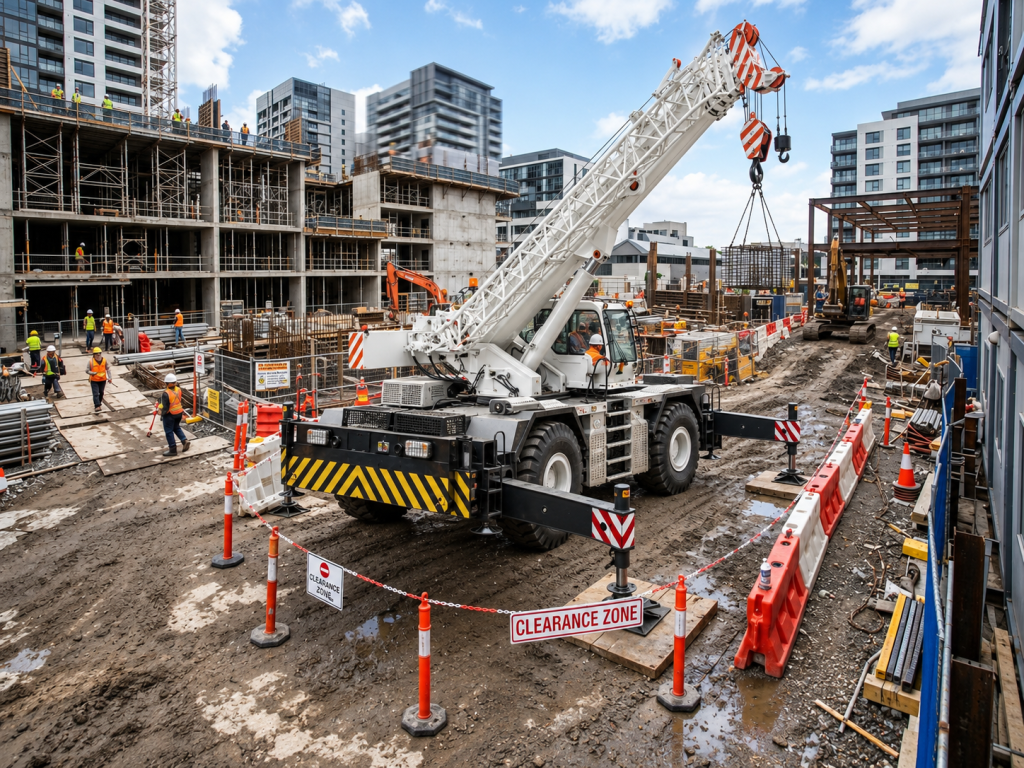
Crane Tail Swing: Planning Clearance on Tight Jobsites
Tail swing isn't boom reach, and confusing the two is how counterweights clip scaffolding, walls, and workers. Here's how tail swing radius actually changes by crane type and configuration, plus the exact questions to put to a manufacturer before specifying equipment for a tight site.
Lire la suite -
 22Oct
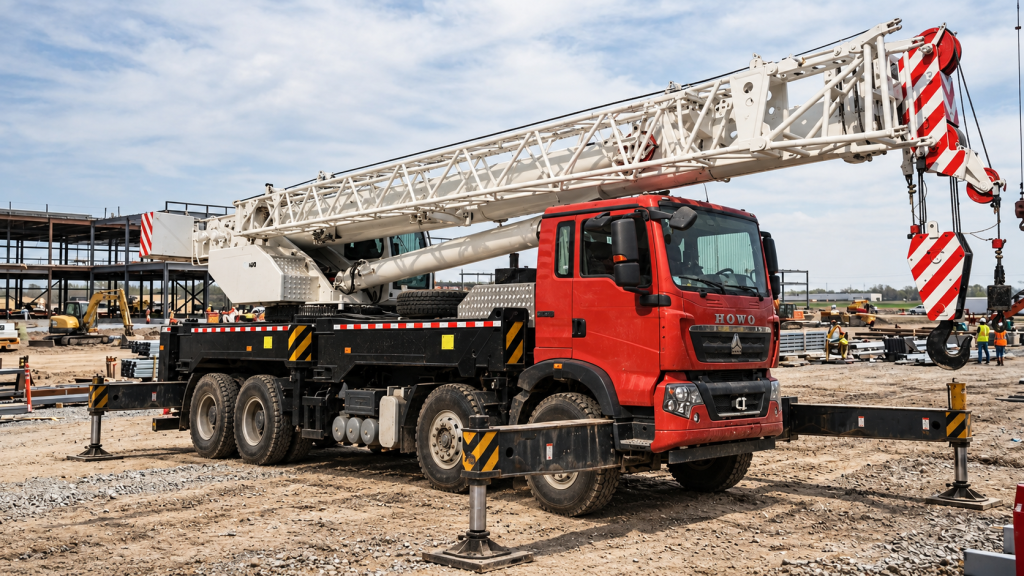
Main Hoist vs Auxiliary Hoist on Mobile Cranes: Key Differences
Two drums, two jobs: the main hoist handles heavy capacity lifts while the auxiliary hoist moves faster for reach and jib work. Here's how line pull, reeving, and load charts actually change between the two, and what to specify when ordering a crane with both.
Lire la suite -
 16Oct
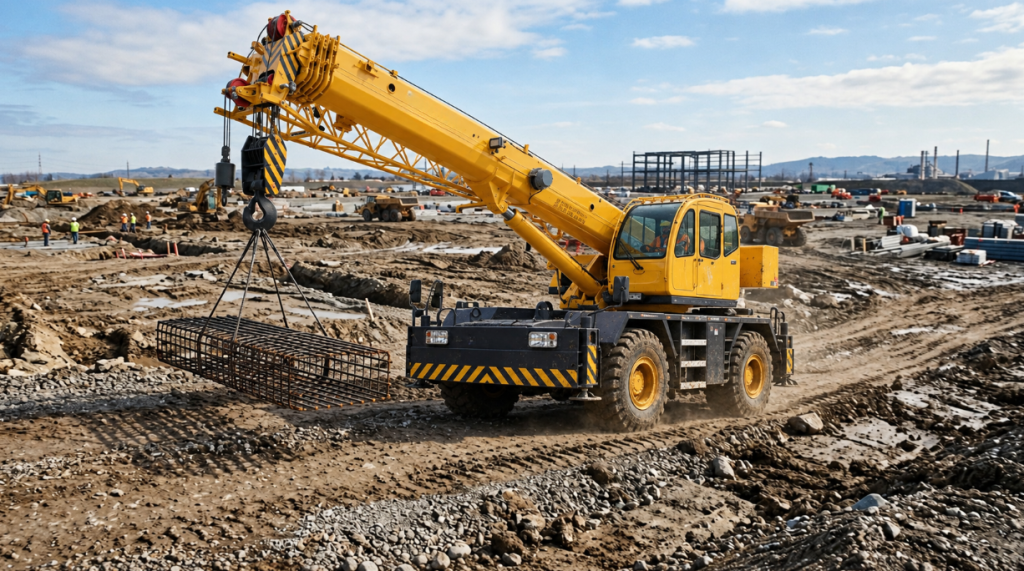
Grue tout-terrain Pick-and-Carry: What Buyers Should Check
A rough terrain crane can absolutely pick and carry a load, but the number on the badge isn't the number that matters. This guide breaks down how pick-and-carry load charts work, what ground and slope limits mean in practice, and how to size a crane for the move, not just the lift.
Lire la suite -
 08Oct
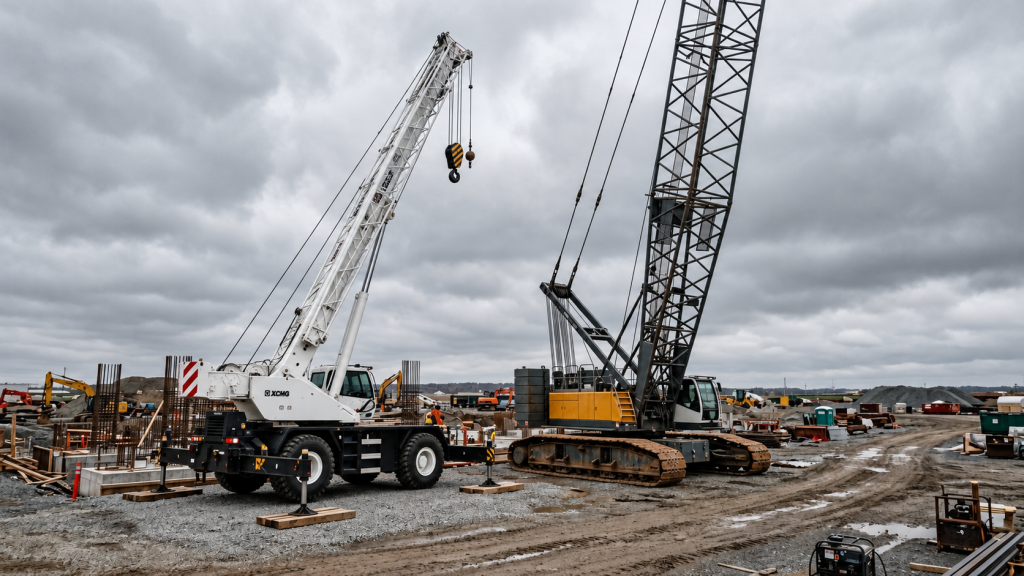
Grue tout-terrain vs Crawler Crane: How to Choose
Choosing between a rough terrain crane and a crawler crane isn't about which one lifts more on paper, it's about ground conditions, how often you reposition, and how the machine gets to site. This guide breaks down the real decision factors, from outrigger soil pressure to export logistics, so you don't find out the hard way which crane was wrong for your jobsite.
Lire la suite -
 30Sep
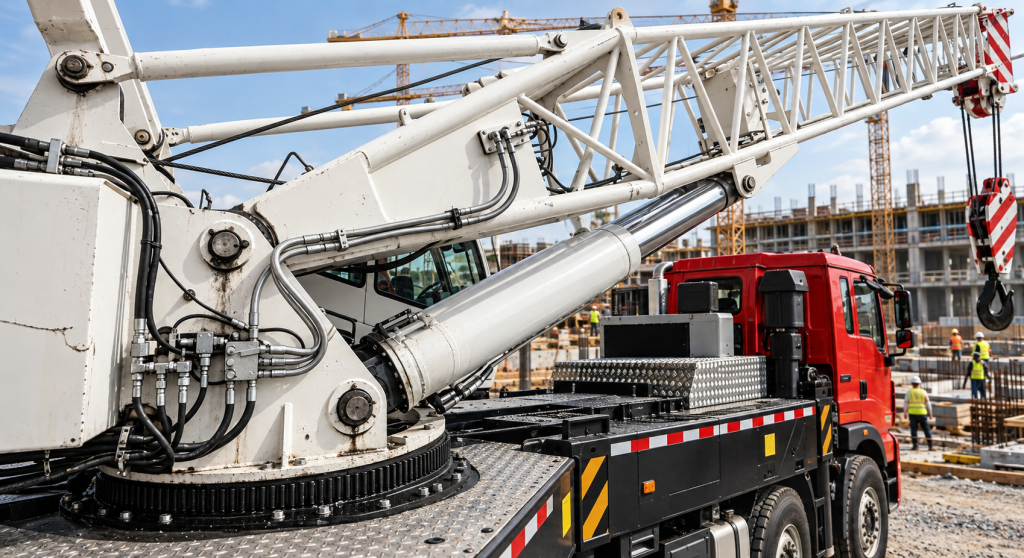
Mobile Crane Hydraulic Systems: Main Components and Daily Inspection Points
A mobile crane's hydraulic system is the muscle behind every lift — and most breakdowns trace back to skipped daily checks, not bad design. Here's what actually powers the boom, outriggers, and winch, and the five-minute inspection routine that catches problems before they become downtime.
Lire la suite -
 30Sep
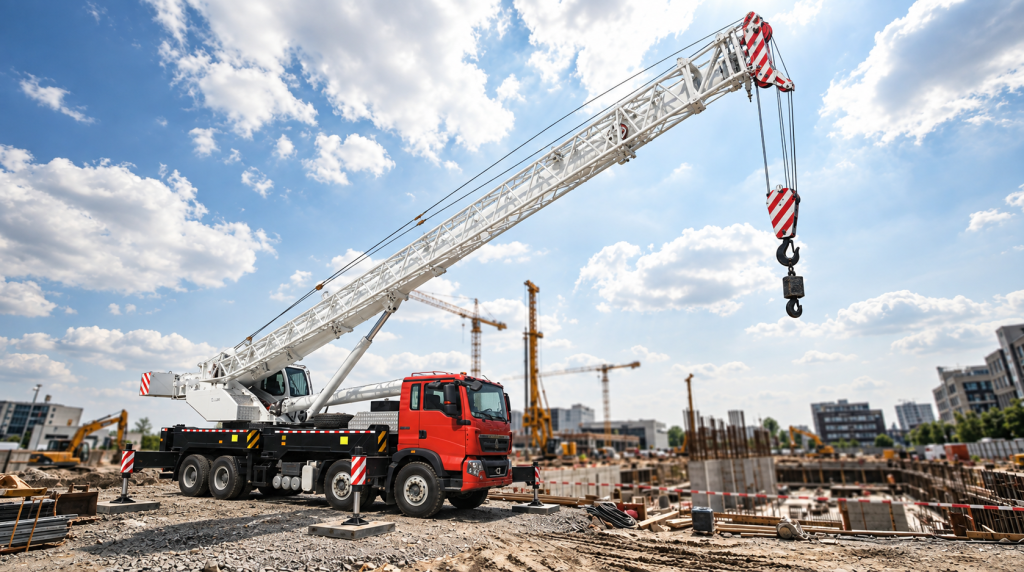
Fixed Jib vs Luffing Jib on Mobile Cranes: Reach, Angle, and Working Range
Fixed jibs and luffing jibs solve the same problem — extra reach without a longer main boom — but they behave very differently once you're mid-lift. Here's how each one affects your working range, load chart, and job site flexibility, with real numbers to back it up.
Lire la suite -
 11Sep
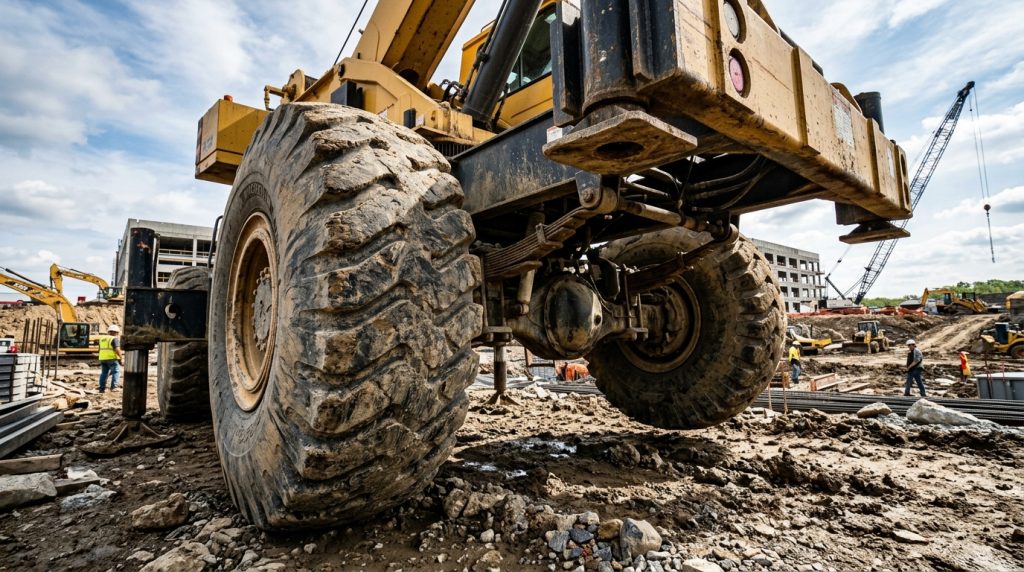
Grue tout-terrain Tires: Tread, Inflation, Load, and Jobsite Conditions
Wrong tire pressure or the wrong tread pattern can quietly cripple a rough terrain crane's stability and lifting capacity. Here's how tread design, inflation numbers, load ratings, and ground conditions actually interact — and what happens when you get them wrong.
Lire la suite -
 03Sep
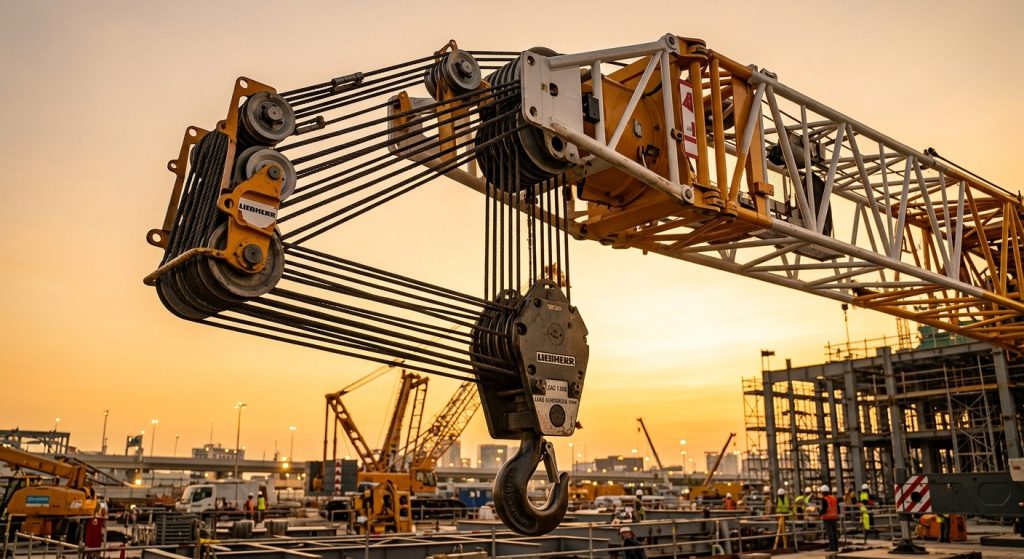
Crane Wire Rope Reeving Explained: Parts of Line, Hook Blocks, and Lifting Capacity
More parts of line means more lifting capacity — but also slower hoisting and more rope to inspect. This guide breaks down how reeving configurations actually work, why your hook block matters as much as your winch, and how to read a load chart the way a rigger does.
Lire la suite -
 31Août
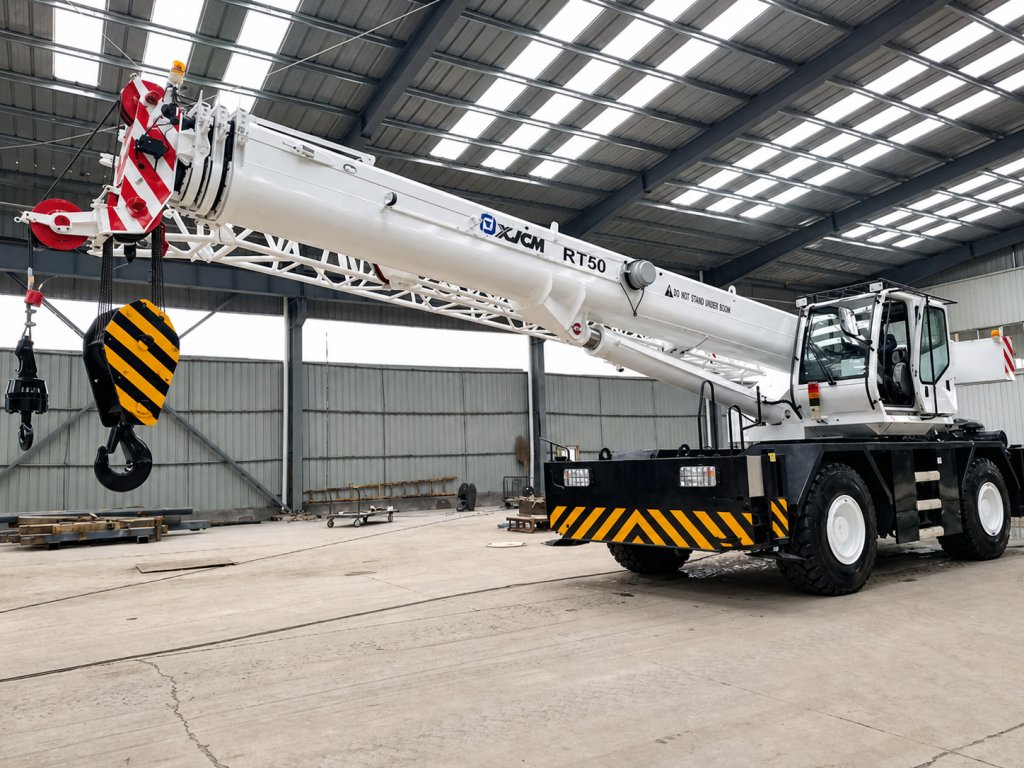
Mobile Crane Outrigger Setup: Extension Positions, Ground Support, and Leveling Checks
A crane's lift chart is only as good as its outrigger setup. Here's how extension position, ground bearing pressure, and leveling tolerance actually determine how much load you can safely swing — and why so many capacity complaints trace back to a rigging step, not the machine.
Lire la suite -
 21Août
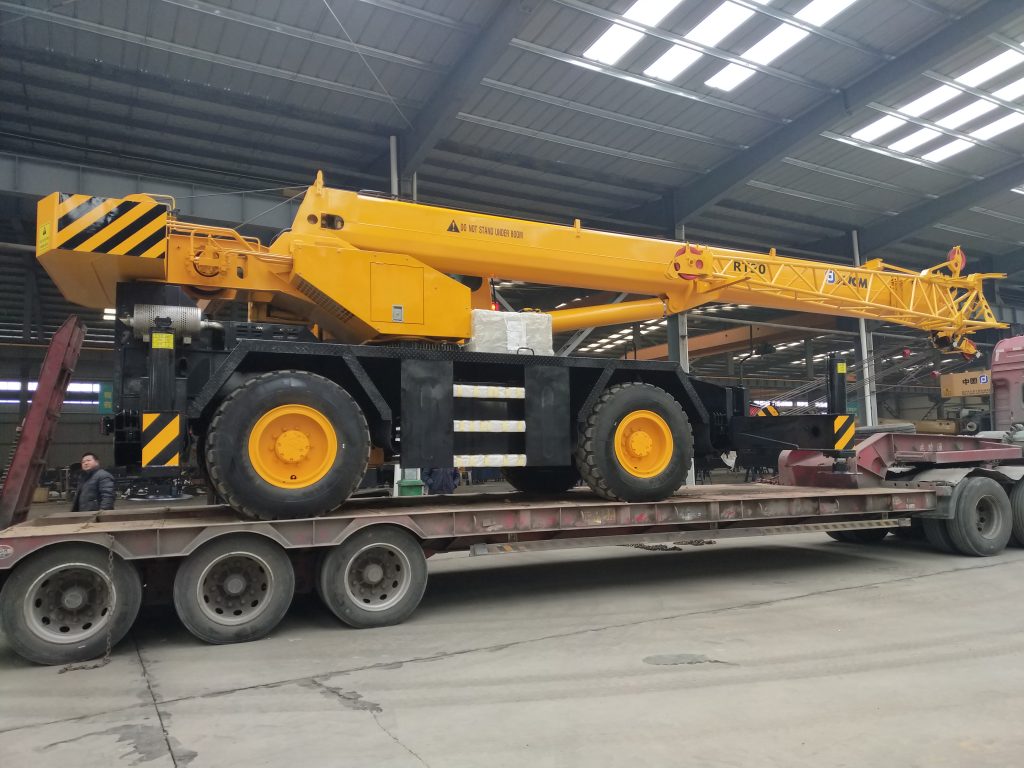
Crane Counterweight Configurations: How Counterweight, Working Radius, and Boom Length Work Together
Counterweight isn't just dead weight bolted to the back of a crane — it's the variable that decides how far you can reach and how much you can lift. Here's exactly how counterweight, working radius, and boom length interact, and why getting the configuration wrong costs you capacity you paid for.
Lire la suite -
 06Août
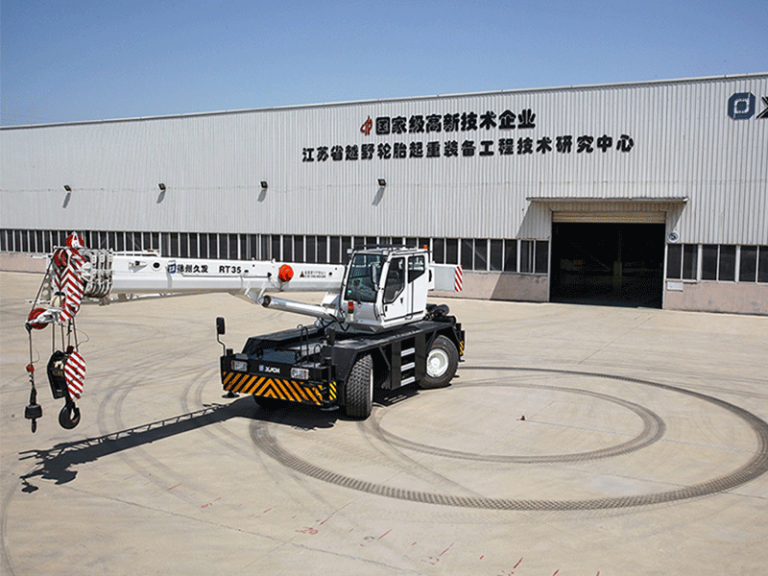
Telescopic Crane Boom Inspection: Wear Pads, Pins, Wire Ropes, and Hydraulic Cylinders
Most boom failures don't happen suddenly — they announce themselves for weeks through worn pads, sloppy pins, frayed wire, and weeping cylinders. This guide breaks down exactly what to check, how often, and what the numbers should tell you before a small problem becomes a crane down for a month.
Lire la suite -
 01Août
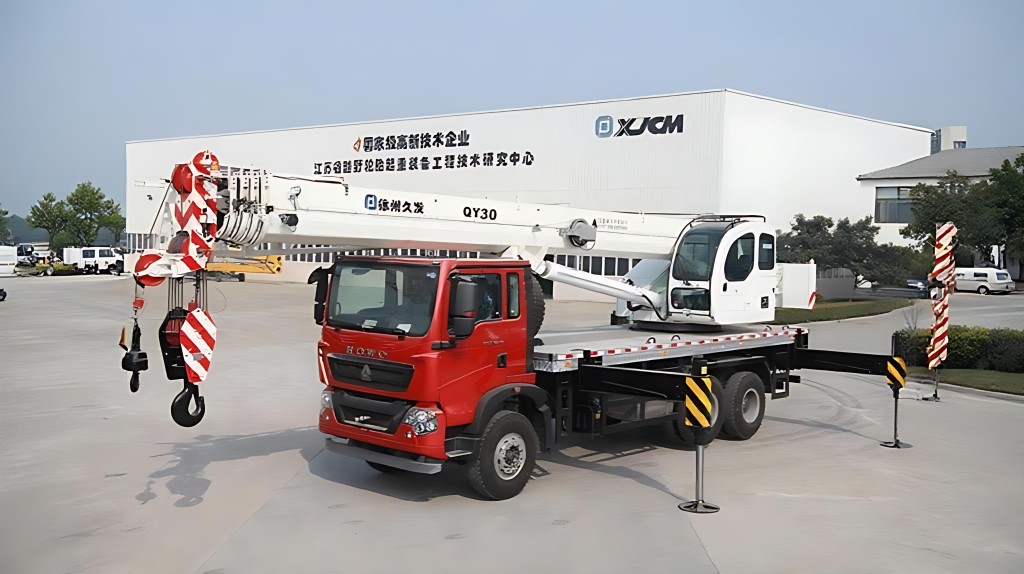
Mobile Crane Safety Systems Explained: LMI, Anti-Two-Block, Overload Protection, and Limit Switches
LMI, anti-two-block, overload protection, and limit switches aren't interchangeable buzzwords — each one catches a different failure mode before it becomes a tip-over or a snapped hoist line. Here's what each system actually does, how they work together, and what to check before you sign off on a crane.
Lire la suite -
 24Juil
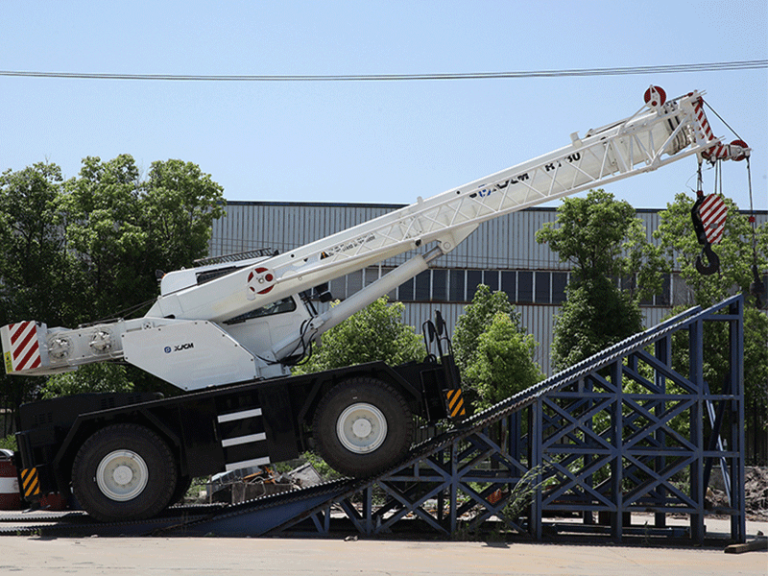
Crane Factory Acceptance Test Checklist: What Buyers Should Inspect Before Delivery
A factory acceptance test isn't a formality — it's your last chance to catch problems before a crane ships halfway around the world. Here's the exact checklist procurement teams and fleet managers should run through before signing off.
Lire la suite -
 18Juil
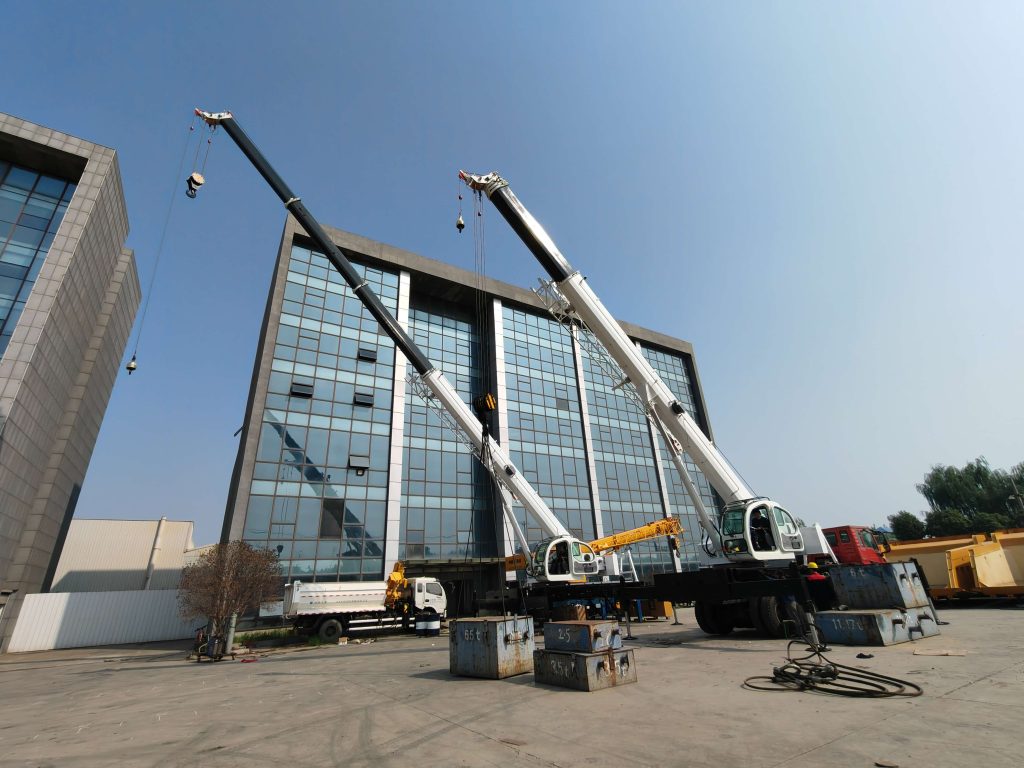
Grue tout-terrain vs All Terrain Crane: Key Differences and How to Choose
Rough terrain and all terrain cranes look similar on paper but perform very differently once they hit real jobsites. This guide breaks down chassis design, tire configuration, road speed, and lifting capacity so you can pick the right machine instead of guessing.
Lire la suite -
 14Juil
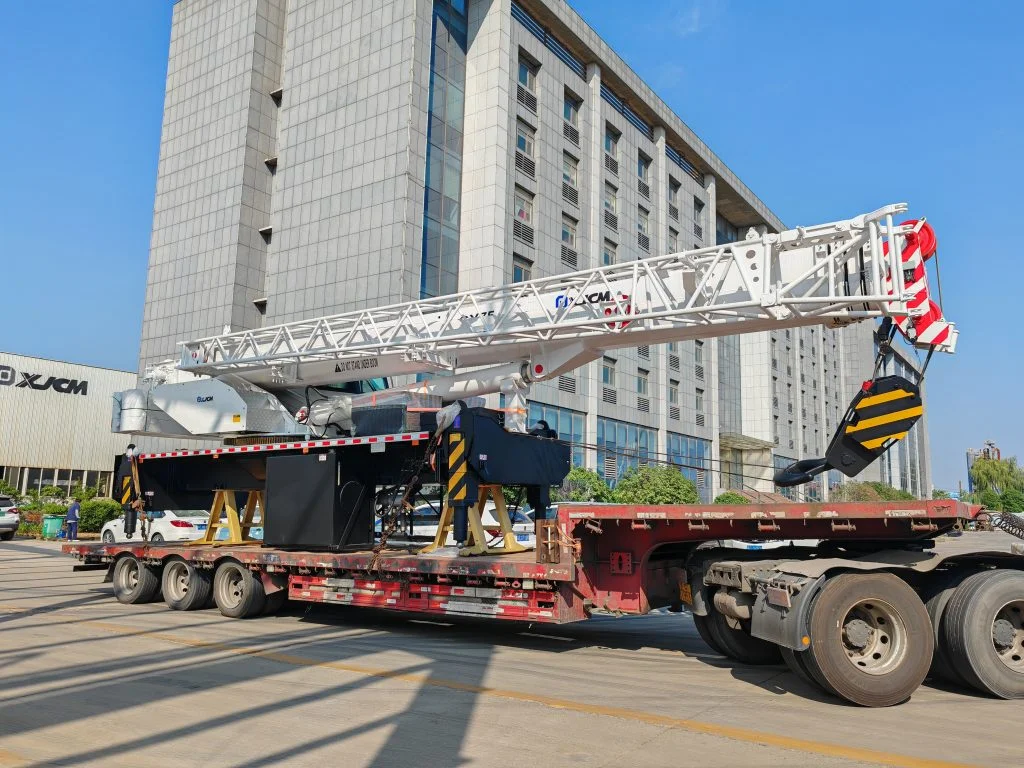
How Are Mobile Cranes Shipped Internationally? Transport, Disassembly and Delivery Guide
Shipping a mobile crane across an ocean isn't as simple as driving it onto a boat — most units get partially disassembled, crated, and reassembled at the port of arrival. Here's exactly how the process works, what it costs, and how to avoid the delays that trip up first-time importers.
Lire la suite -
 06Juil
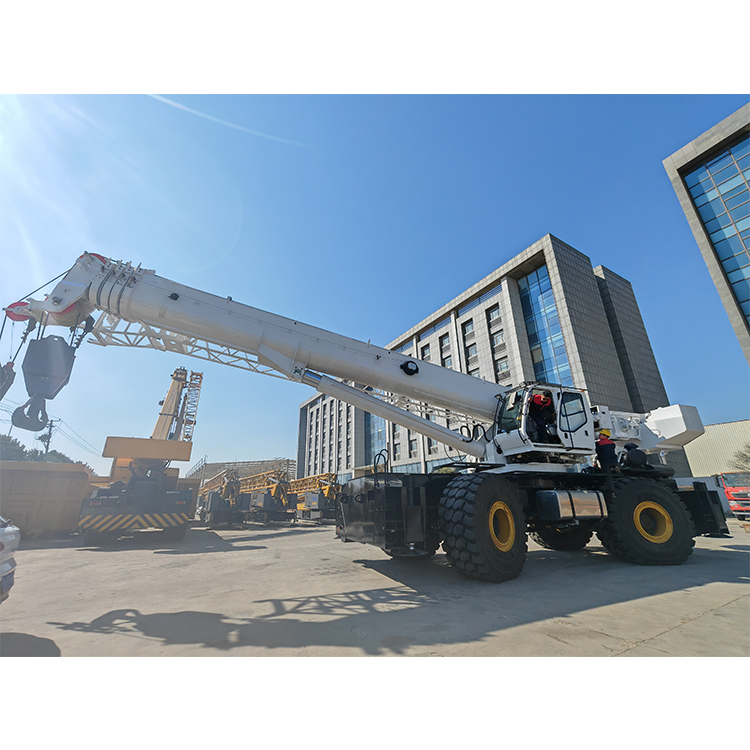
How Duty Cycle Affects Crane Selection: Lift Frequency, Load and Working Hours Explained
Buying a crane based on max tonnage alone is how fleets end up with fatigue cracks and blown warranties. Here's how lift frequency, load spectrum, and daily working hours should actually drive your crane selection.
Lire la suite -
 29Juin
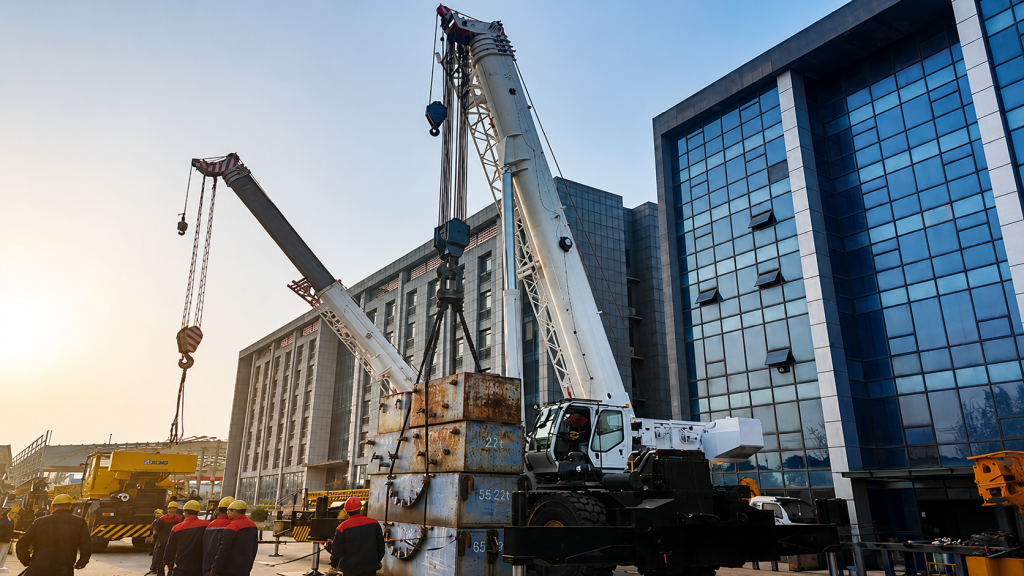
Projets de pose de canalisations en terrain difficile : pourquoi le choix de la grue fait ou défait le calendrier
Les calendriers de pose de canalisations en zone isolée dépendent du choix de la grue. Choisissez une machine incapable de gérer la pente, le sol ou le diamètre du tuyau, et chaque tâche en aval dérape. Voici comment adapter le type, le tonnage et la configuration de la grue à la réalité du terrain.
Lire la suite -
 26Juin
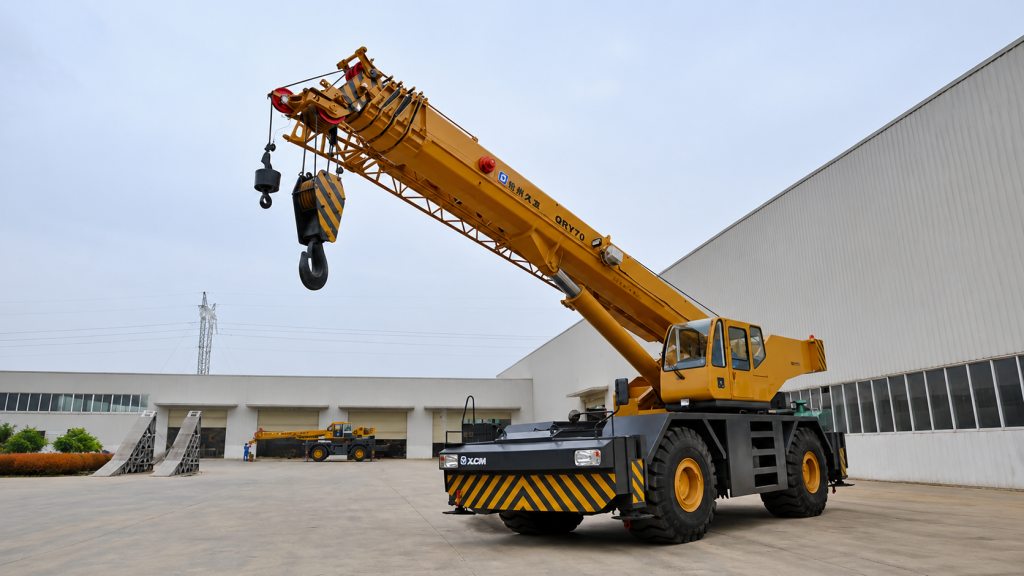
À l'intérieur d'une grue tout-terrain de 100 tonnes : comment la conception de la flèche affecte les performances de levage réelles
La flèche est la variable la plus importante dans les performances de levage réelles d'une grue tout-terrain de 100 tonnes. Nous décomposons le nombre de sections, la géométrie du profil, la mécanique de télescopage et le comportement de relevage — et pourquoi deux grues ayant la même capacité nominale peuvent fonctionner très différemment sur le chantier.
Lire la suite -
 24Juin
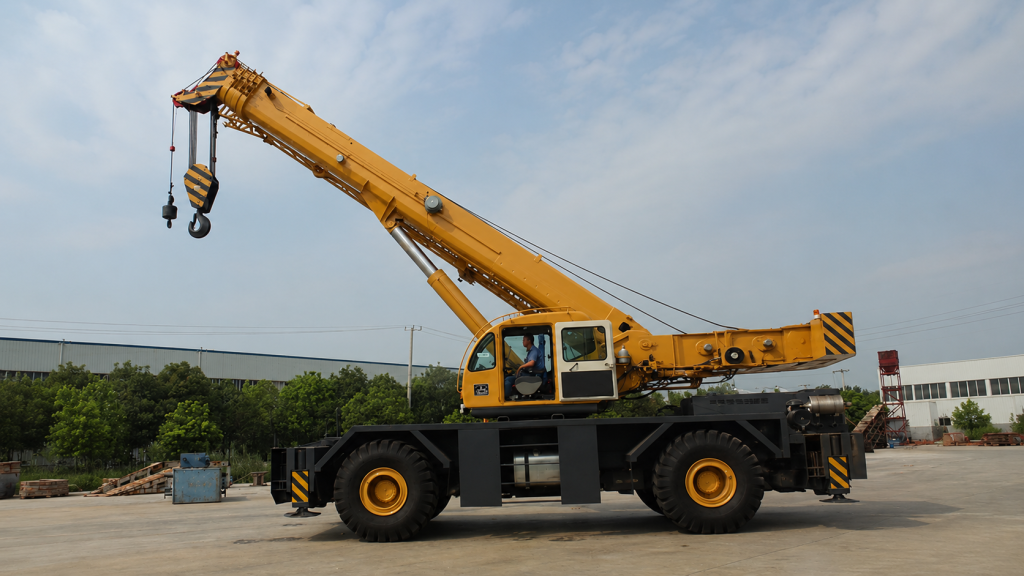
Pourquoi votre grue importée tombe constamment en panne dans les climats chauds (et comment y remédier)
Les grues importées tombent en panne dans les climats chauds car leurs systèmes hydrauliques, électroniques et joints n'ont jamais été spécifiés pour un fonctionnement à 50°C ambiant. Voici exactement ce qui surchauffe, pourquoi cela se produit, et comment spécifier ou moderniser une grue qui résiste sur les chantiers du Moyen-Orient, d'Afrique et d'Asie du Sud-Est.
Lire la suite -
 12Juin
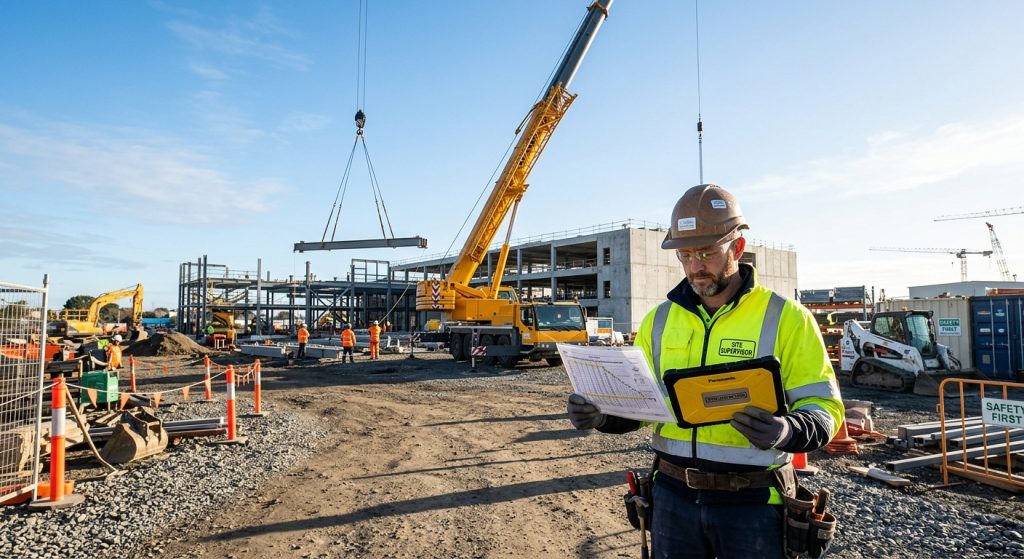
Comment choisir le bon tonnage de grue pour votre projet (sans payer trop cher)
Acheter une grue deux tailles au-dessus de vos besoins est l'erreur la plus coûteuse en levage lourd. Voici comment dimensionner le tonnage en fonction de votre travail réel — tableau de charge, rayon, terrain et cycle de service — afin de payer pour une capacité que vous utiliserez, et non pour une capacité qui reste inactive.
Lire la suite