The height of a crane determines whether a project can lift materials safely, reach all working points, and maintain efficient operation. Because different crane types offer different height capabilities, understanding how crane height is defined and selected is essential for planning construction, industrial lifting, and infrastructure projects.
This guide focuses exclusively on the crane types your project actually uses: Self-Erecting Tower Cranes, Rough Terrain Cranes, and Truck Cranes.
What “Crane Height” Really Means
Crane height can refer to different measurements depending on the machine:
Hook Height
The maximum vertical height the hook can reach. This is the most important value in construction projects because it represents the usable lifting height.
Overall Structure Height
The total physical height of the crane—including mast, boom, or cable system. This value helps determine clearance, site layout, and safety distances.
Working Lift Height
This refers to the vertical height difference between supporting points and the actual lifting position along a suspended lifting system.
Understanding which “height” matters for your specific crane type avoids miscommunication during engineering planning.
Crane Height by Type
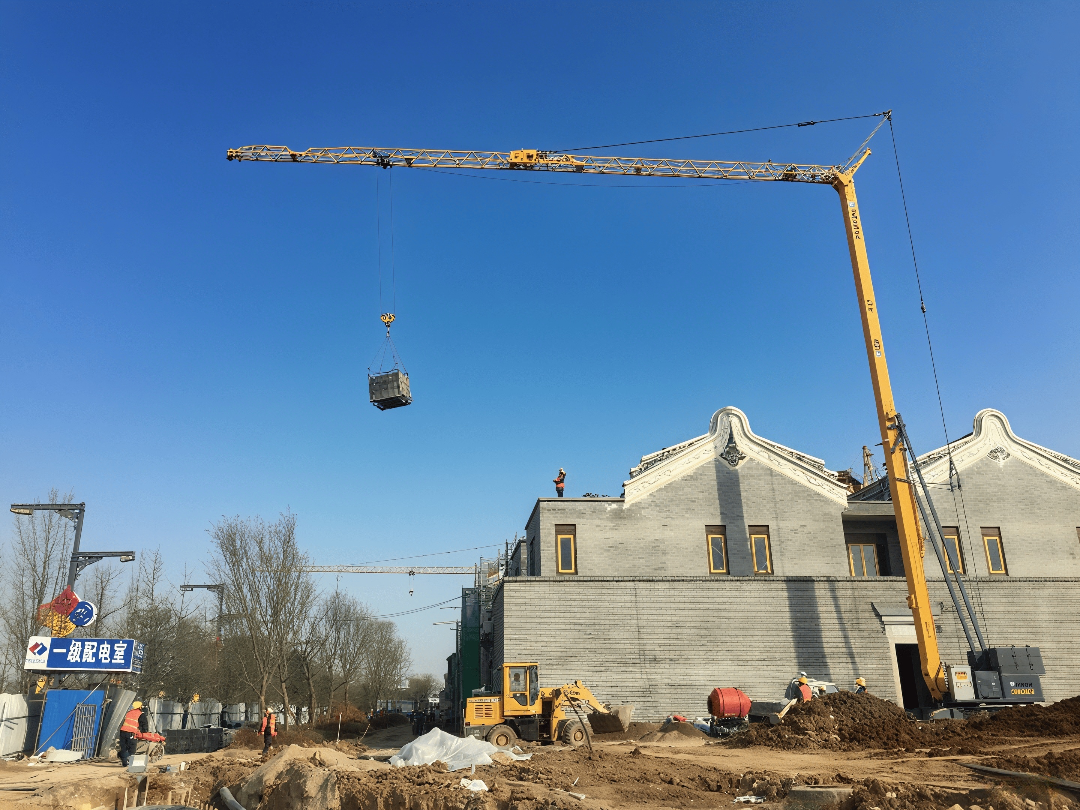
A. Self-Erecting Tower Crane Height
Self-erecting tower cranes on your site are designed for mid-rise buildings, logistics facilities, and compact construction areas.
Their height is defined by the foldable mast and built-in tower sections, making them efficient for fast installation and reliable vertical reach.
- Typical hook height: 16–23 m
- Best for: Residential projects, workshops, logistics centers, urban construction zones
This height range is ideal for 3–8 storey structures where rapid deployment and stable vertical lifting are required.
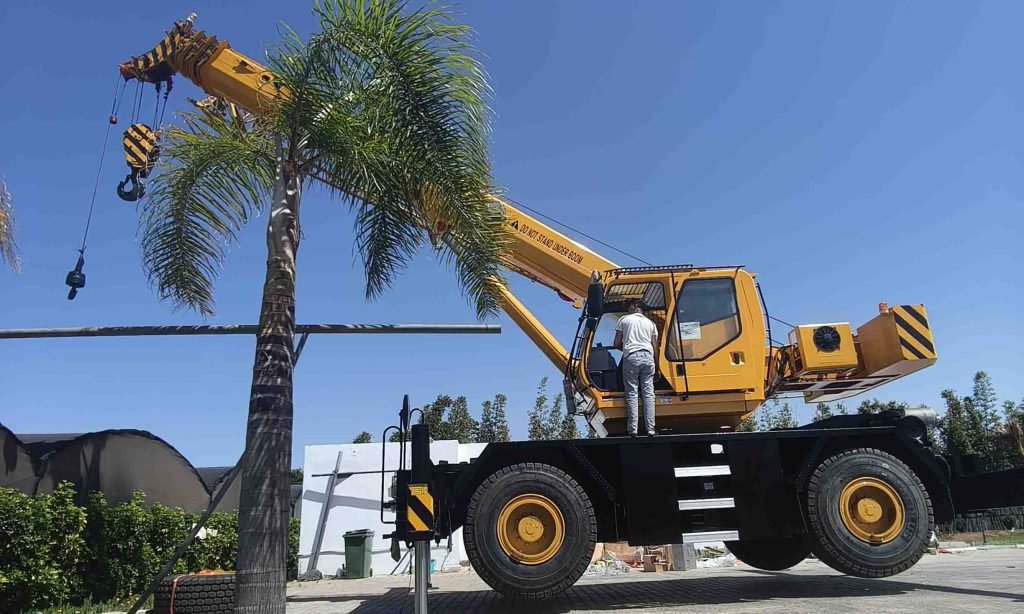
B. Rough Terrain Crane Height
The rough terrain cranes on your site use a telescopic boom to reach significant lifting heights while maintaining off-road mobility.
- Typical boom height: 40–50 m
- Maximum lifting height: Up to 53.5 m
- Best for: Oil fields, industrial plants, remote construction areas
This height capacity is suitable for industrial installations, steel structure erection, and maintenance tasks requiring stable height performance.
C. Truck Crane Height
Your truck cranes combine road mobility with strong lifting capacity, making them effective for multi-site operations.
- Typical boom height: 45–55 m
- Maximum lifting height: Up to 62.5 m
- Best for: Urban construction, fast deployment projects, municipal and infrastructure installation tasks
These cranes deliver an excellent balance between height, reach, and travel efficiency.
Factors That Determine the Required Crane Height
Building or Structure Height
The crane must reach above the highest installation point with enough clearance for safe hook movement. For self-erecting tower cranes, this height is usually defined by the top floor slab. For rough terrain and truck cranes, the final reachable height also depends on the boom angle and working radius.
Lifting Radius
As the lifting radius increases, the effective working height of mobile cranes decreases due to boom geometry. Engineers must review the crane’s load chart to confirm whether the boom can achieve both the required height and radius simultaneously under the rated load.
Terrain and Site Elevation
Height capability is strongly influenced by site elevation conditions. For self erecting tower cranes, usable lifting height is defined by the erected mast height and jib configuration, provided the foundation is properly leveled, while mobile cranes may lose effective height on uneven ground because boom angle and chassis levelness are affected.
Load Weight
Heavier loads limit the maximum boom extension and lifting height. Mobile cranes often need reduced radius or lower boom angles for stability, while self-erecting cranes follow strict load curves that define safe height-to-load combinations.
Safety and Environmental Requirements
Wind pressure increases significantly with height, affecting all crane types. Mobile cranes must follow height limitations under wind exposure, and self erecting tower cranes require verified mast stability and strict wind-speed monitoring to keep the structure within safe operating limits. Adequate height planning is essential to maintain safety margins throughout the lift.
How to Choose the Correct Crane Height for Your Project
Step 1 — Identify the Highest Point That Requires Lifting
Include 3–10 m of clearance to allow free hook movement.
Step 2 — Select the Crane Type According to Project Needs
- Self-Erecting Tower Cranes → mid-rise and confined sites
- Rough Terrain Cranes → industrial and off-road projects
- Truck Cranes → multi-site and rapid installation projects
Step 3 — Compare Height With Radius and Load Chart
A crane may reach the height, but not at the required radius. Always verify both at the same time.
Step 4 — Evaluate Ground Conditions and Mobility
Mobile cranes may adjust positions to achieve required height. Self-erecting cranes provide stable fixed height from one position.
Step 5 — Calculate Safety Margin
Wind, sloping ground, and future structural growth must be considered.
Height Comparison Table
| Crane Type | Typical Height Range | Maximum Height (from your site) | Best Use Cases |
|---|---|---|---|
| Self-Erecting Tower Crane | 16–23 m | 23 m | Mid-rise buildings, logistics facilities |
| Rough Terrain Crane | 40–50 m | 53.5 m | Industrial & remote job sites |
| Truck Crane | 45–55 m | 62.5 m | Urban & multi-site lifting |
Safety Considerations Related to Crane Height
- Higher boom angles require strict wind-speed monitoring.
- Self-erecting cranes must maintain vertical mast alignment.
- Mobile cranes must use correct outrigger positions for tall lifts.
- All cranes require certified lifting plans for extreme height operations.
Height selection is not only a lifting requirement—it is a core safety decision.
Conclusion
The height of a crane directly determines whether a project can be executed safely and efficiently. By understanding the height characteristics of Self-Erecting Tower Cranes, Rough Terrain Cranes, and Truck Cranes, project teams can make informed decisions that match real site conditions.
Choosing the correct crane height improves productivity, reduces repositioning, and ensures stable lifting performance throughout the project.


