-
 30Sep
Mobile Crane Hydraulic Systems: Main Components and Daily Inspection Points
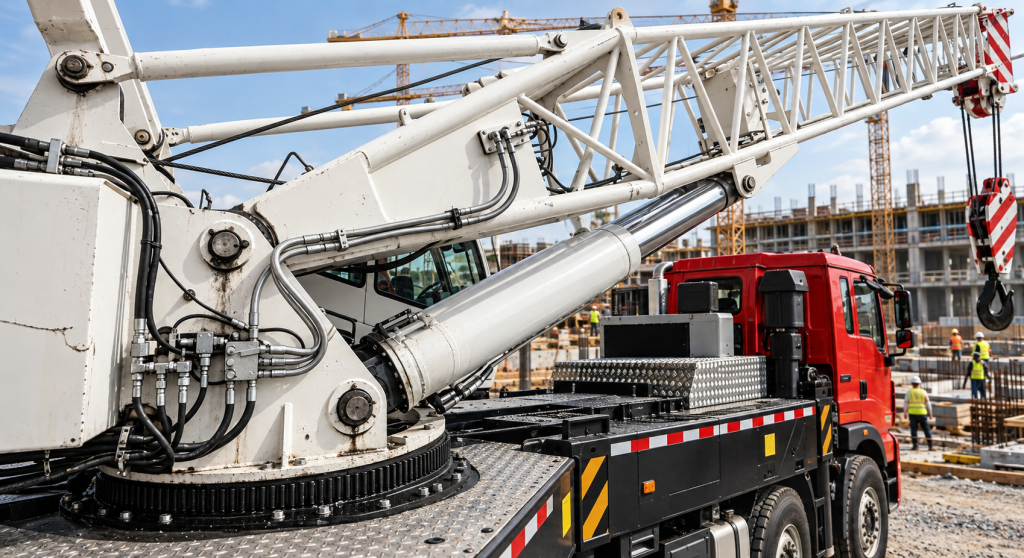
A mobile crane's hydraulic system is the muscle behind every lift — and most breakdowns trace back to skipped daily checks, not bad design. Here's what actually powers the boom, outriggers, and winch, and the five-minute inspection routine that catches problems before they become downtime.
阅读更多 -
30Sep
Fixed Jib vs Luffing Jib on Mobile Cranes: Reach, Angle, and Working Range
Fixed jibs and luffing jibs solve the same problem — extra reach without a longer main boom — but they behave very differently once you're mid-lift. Here's how each one affects your working range, load chart, and job site flexibility, with real numbers to back it up.
阅读更多 -
11Sep
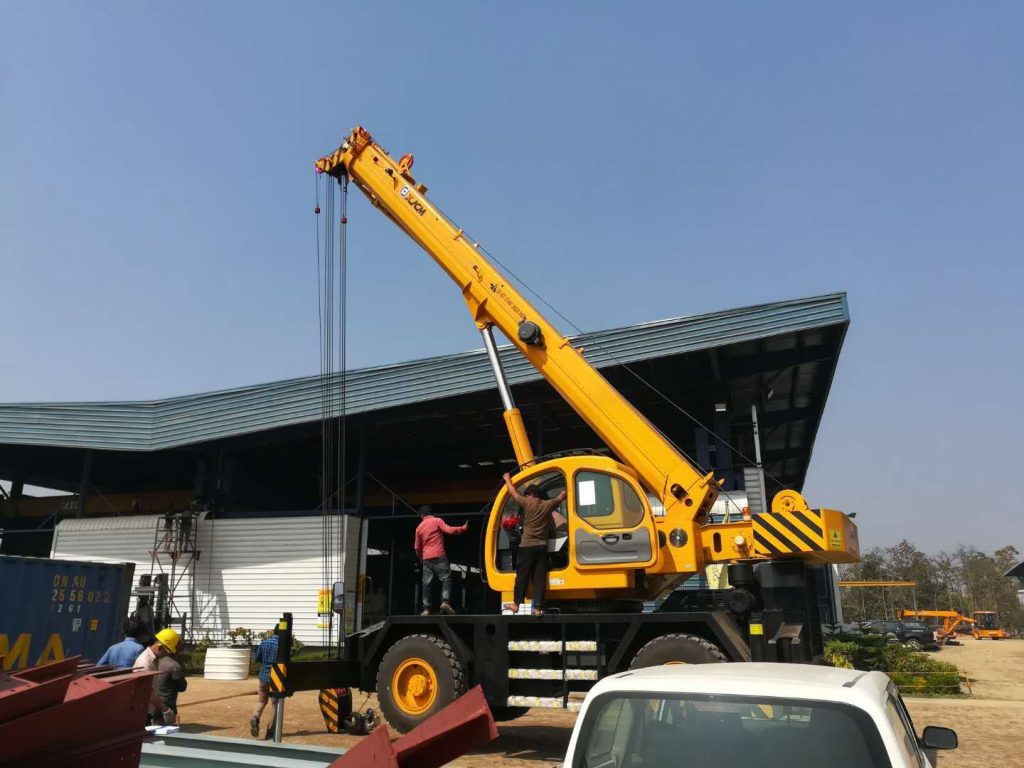
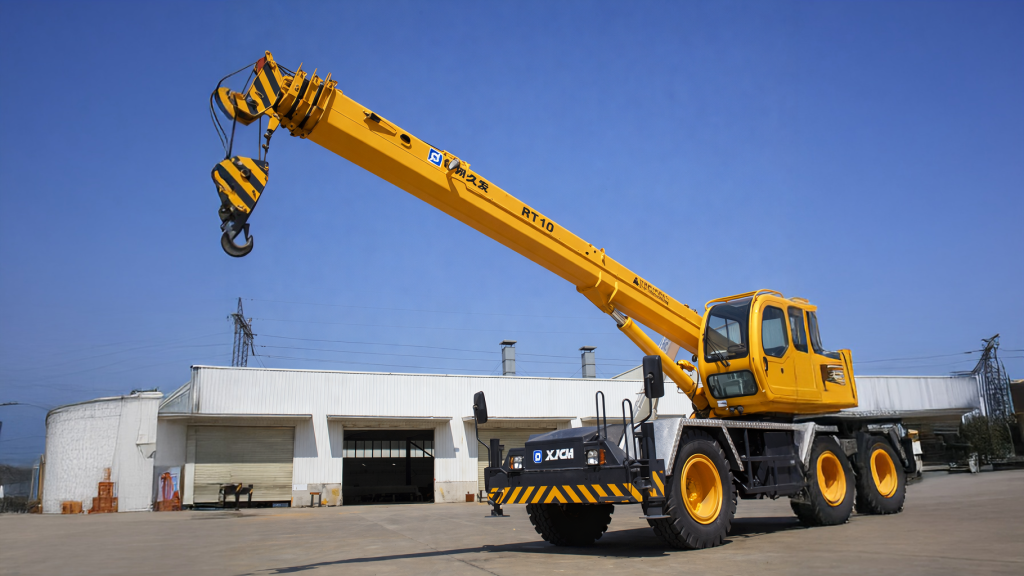
越野起重机 Tires: Tread, Inflation, Load, and Jobsite Conditions
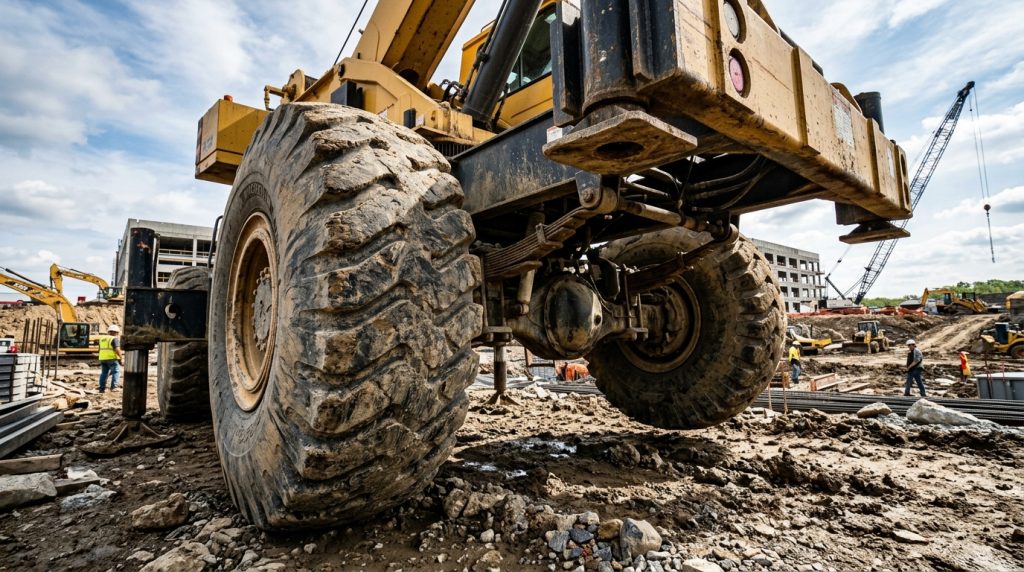
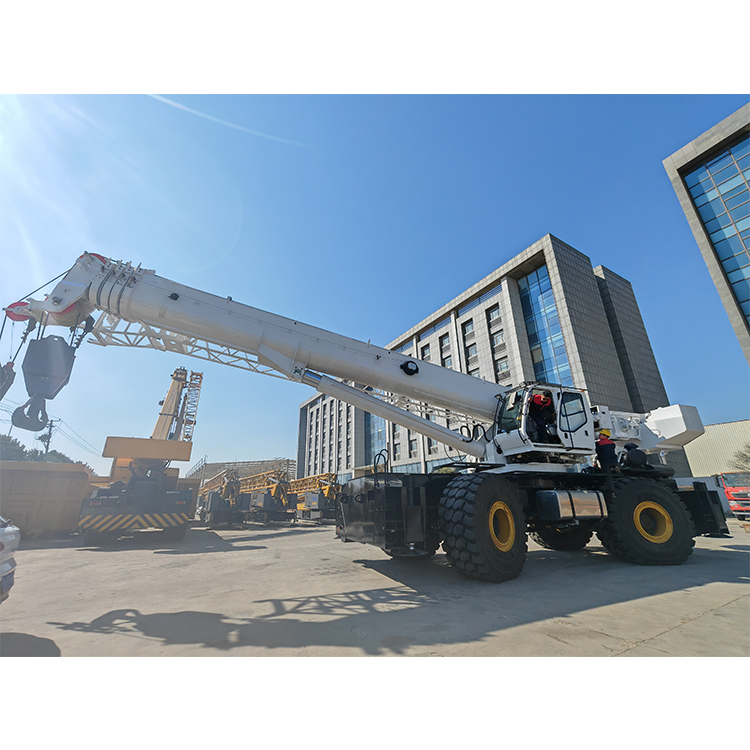
Wrong tire pressure or the wrong tread pattern can quietly cripple a rough terrain crane's stability and lifting capacity. Here's how tread design, inflation numbers, load ratings, and ground conditions actually interact — and what happens when you get them wrong.
阅读更多 -
03Sep
Crane Wire Rope Reeving Explained: Parts of Line, Hook Blocks, and Lifting Capacity
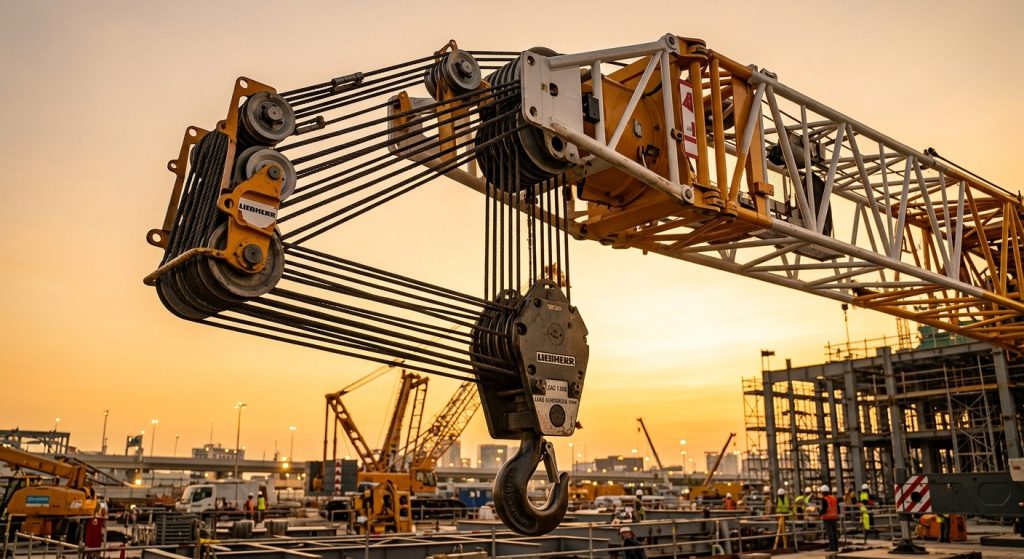
More parts of line means more lifting capacity — but also slower hoisting and more rope to inspect. This guide breaks down how reeving configurations actually work, why your hook block matters as much as your winch, and how to read a load chart the way a rigger does.
阅读更多 -
318月
Mobile Crane Outrigger Setup: Extension Positions, Ground Support, and Leveling Checks
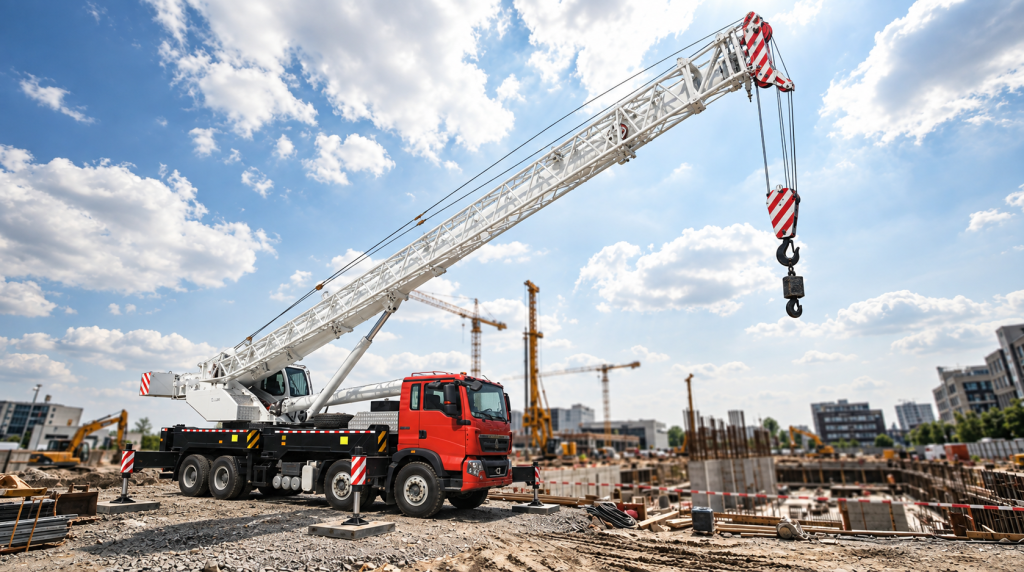
A crane's lift chart is only as good as its outrigger setup. Here's how extension position, ground bearing pressure, and leveling tolerance actually determine how much load you can safely swing — and why so many capacity complaints trace back to a rigging step, not the machine.
阅读更多 -
218月
Crane Counterweight Configurations: How Counterweight, Working Radius, and Boom Length Work Together
Counterweight isn't just dead weight bolted to the back of a crane — it's the variable that decides how far you can reach and how much you can lift. Here's exactly how counterweight, working radius, and boom length interact, and why getting the configuration wrong costs you capacity you paid for.
阅读更多 -
068月
Telescopic Crane Boom Inspection: Wear Pads, Pins, Wire Ropes, and Hydraulic Cylinders
Most boom failures don't happen suddenly — they announce themselves for weeks through worn pads, sloppy pins, frayed wire, and weeping cylinders. This guide breaks down exactly what to check, how often, and what the numbers should tell you before a small problem becomes a crane down for a month.
阅读更多 -
018月
Mobile Crane Safety Systems Explained: LMI, Anti-Two-Block, Overload Protection, and Limit Switches
LMI, anti-two-block, overload protection, and limit switches aren't interchangeable buzzwords — each one catches a different failure mode before it becomes a tip-over or a snapped hoist line. Here's what each system actually does, how they work together, and what to check before you sign off on a crane.
阅读更多 -
247月
Crane Factory Acceptance Test Checklist: What Buyers Should Inspect Before Delivery
A factory acceptance test isn't a formality — it's your last chance to catch problems before a crane ships halfway around the world. Here's the exact checklist procurement teams and fleet managers should run through before signing off.
阅读更多 -
187月
越野起重机 vs All Terrain Crane: Key Differences and How to Choose
Rough terrain and all terrain cranes look similar on paper but perform very differently once they hit real jobsites. This guide breaks down chassis design, tire configuration, road speed, and lifting capacity so you can pick the right machine instead of guessing.
阅读更多 -
147月
How Are Mobile Cranes Shipped Internationally? Transport, Disassembly and Delivery Guide
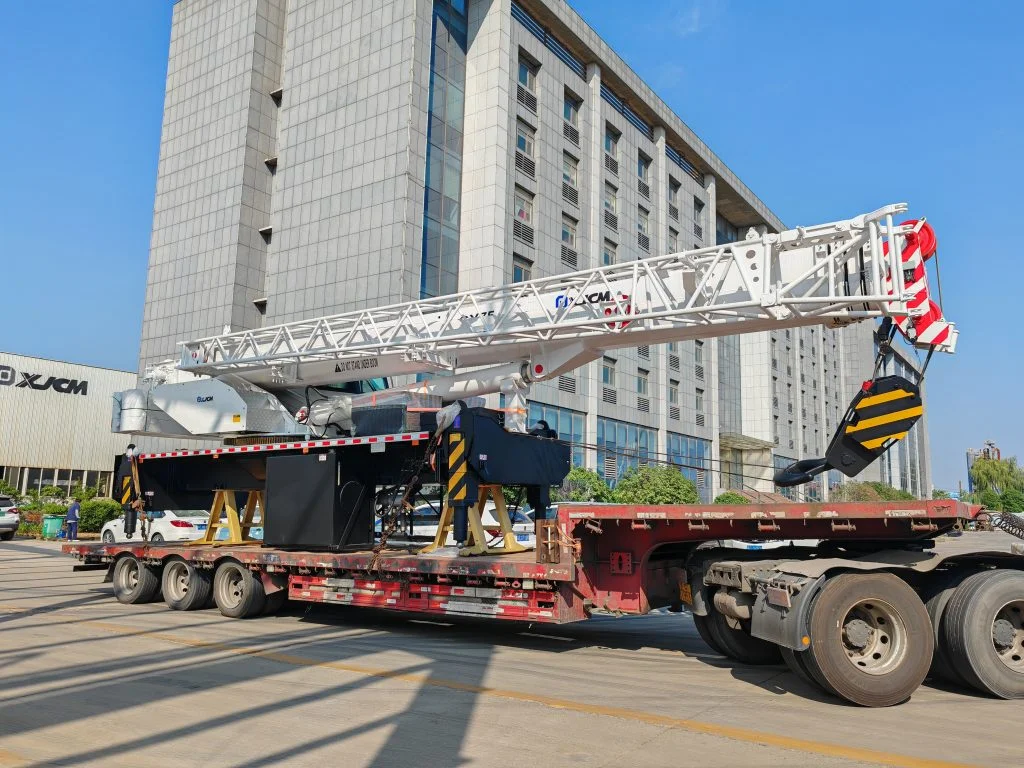
Shipping a mobile crane across an ocean isn't as simple as driving it onto a boat — most units get partially disassembled, crated, and reassembled at the port of arrival. Here's exactly how the process works, what it costs, and how to avoid the delays that trip up first-time importers.
阅读更多 -
067月
How Duty Cycle Affects Crane Selection: Lift Frequency, Load and Working Hours Explained
Buying a crane based on max tonnage alone is how fleets end up with fatigue cracks and blown warranties. Here's how lift frequency, load spectrum, and daily working hours should actually drive your crane selection.
阅读更多 -
296月
偏远地形下的管道铺设项目:起重机选型如何决定工期成败
偏远地区的管道铺设工期完全取决于起重机的选择。如果选了一台无法应对坡度、土壤或管径的设备,后续每道工序都会延误。本文教你如何根据地形实际匹配起重机类型、吨位和配置。
阅读更多 -
266月
100吨越野起重机内部解析:臂架设计如何影响实际起重性能
臂架是100吨越野起重机实际起重性能的最大变量。我们拆解了节数、截面几何形状、伸缩机构及变幅特性——并解释为何两台额定容量相同的起重机在现场表现可能截然不同。
阅读更多 -
246月
为什么你进口的起重机在炎热气候下频繁故障(以及如何避免)
进口起重机在炎热气候下故障,是因为其液压、电子和密封件从未针对50°C环境温度进行设计。本文精确说明哪些部件过热、原因何在,以及如何选型或改造一台能在中东、非洲和东南亚工地生存的起重机。
阅读更多 -
126月
如何为项目选择合适的起重机吨位(避免多花冤枉钱)
买一台比实际需求大两号的起重机是重型吊装中最昂贵的错误。本文教你如何根据实际工况——载荷表、幅度、地形和作业循环——来匹配吨位,让你只为会用到的容量付费,而不是闲置的容量。
阅读更多 -
096月
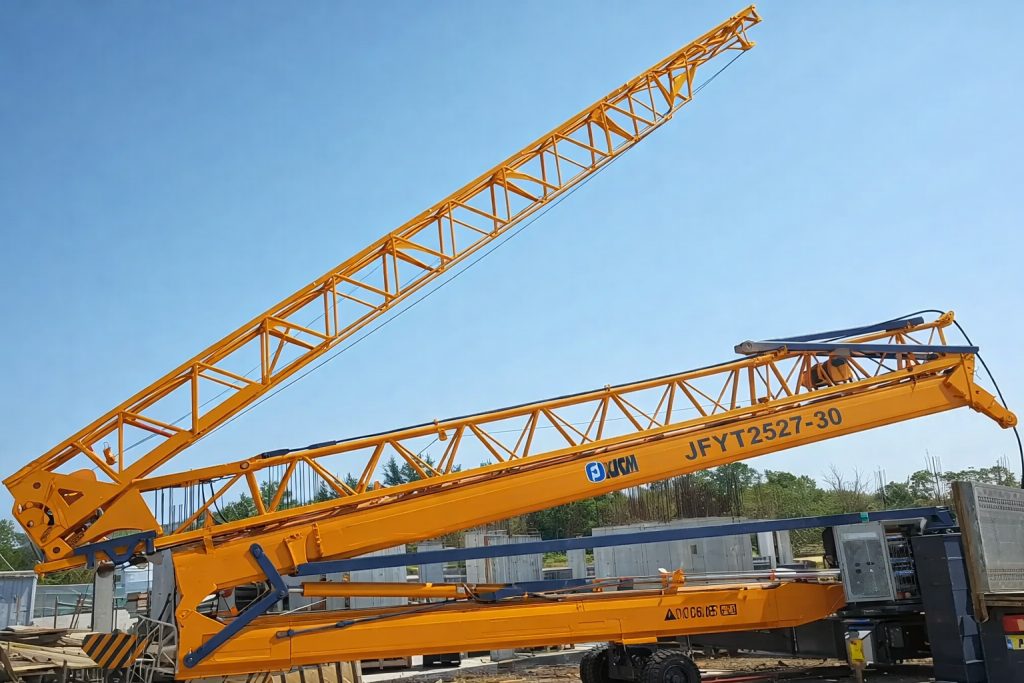
小型城市住宅建设中的自升式塔式起重机:场地规划、成本与安装
自升式塔式起重机为紧凑的城市住宅工地提供了快速、低占地吊装方案——通常4-8小时完成安装,运行成本比移动式起重机低30-50%,且适用于小至6×6米的场地。本文介绍如何规划场地、预算项目并让起重机在第一天就投入工作。
阅读更多 -
016月
小型自升式塔式起重机如何架设
架设小型自升式塔式起重机的实用指南,涵盖定位、支腿设置、液压架设及安全检查。
阅读更多 -
016月
购买廉价起重机的5个隐藏成本——以及如何避免
那笔便宜的起重机交易可能让你付出三倍于节省金额的代价。从长期停机、高昂的维护费用到安全责任和暴跌的转售价值,本文列出了大多数买家发现太晚的五个隐藏成本——以及规避每一个的实用策略。
阅读更多 -
294月
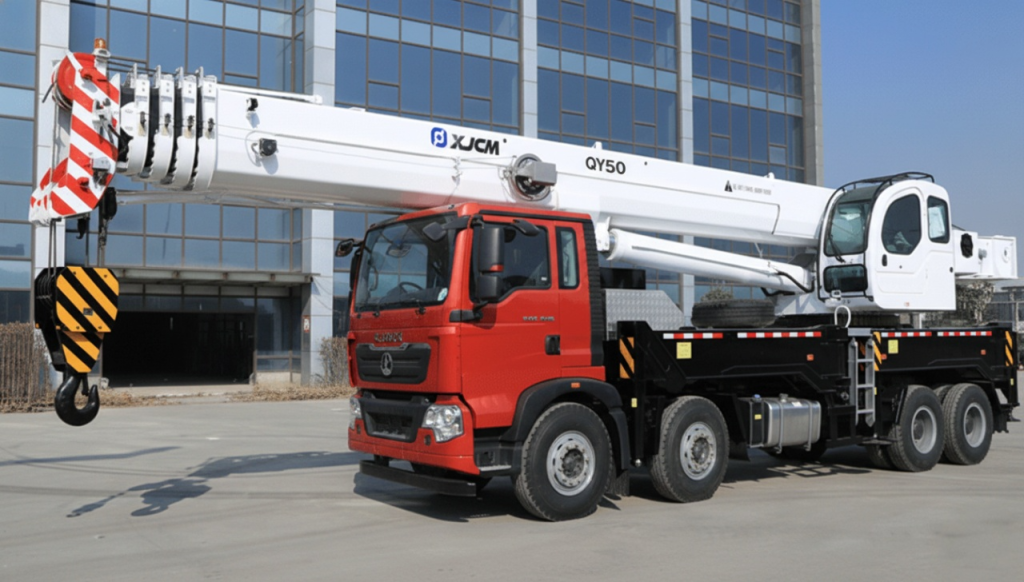
汽车起重机与越野起重机:如何选择正确的机型
汽车起重机和越野起重机服务于不同的工地需求。本文基于机动性、运输要求、地面条件、转向控制和典型作业模式对两者进行比较,帮助买家根据实际场地限制而非规格参数选择正确的起重机。
阅读更多