-
 30Okt
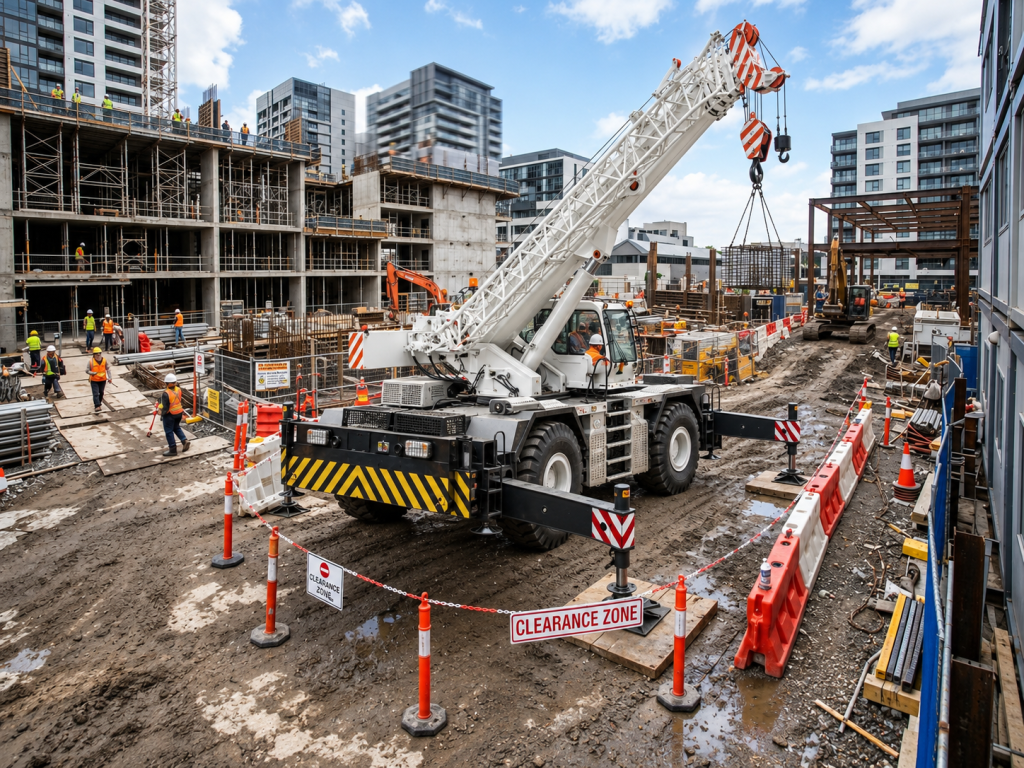
Crane Tail Swing: Planning Clearance on Tight Jobsites
Tail swing isn't boom reach, and confusing the two is how counterweights clip scaffolding, walls, and workers. Here's how tail swing radius actually changes by crane type and configuration, plus the exact questions to put to a manufacturer before specifying equipment for a tight site.
Mehr lesen -
 22Okt
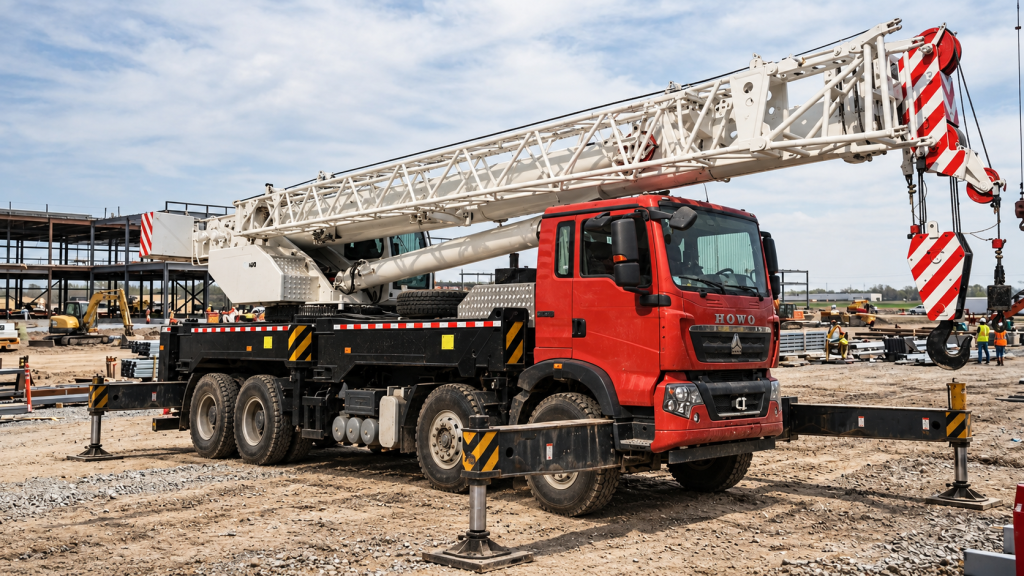
Main Hoist vs Auxiliary Hoist on Mobile Cranes: Key Differences
Two drums, two jobs: the main hoist handles heavy capacity lifts while the auxiliary hoist moves faster for reach and jib work. Here's how line pull, reeving, and load charts actually change between the two, and what to specify when ordering a crane with both.
Mehr lesen -
 16Okt
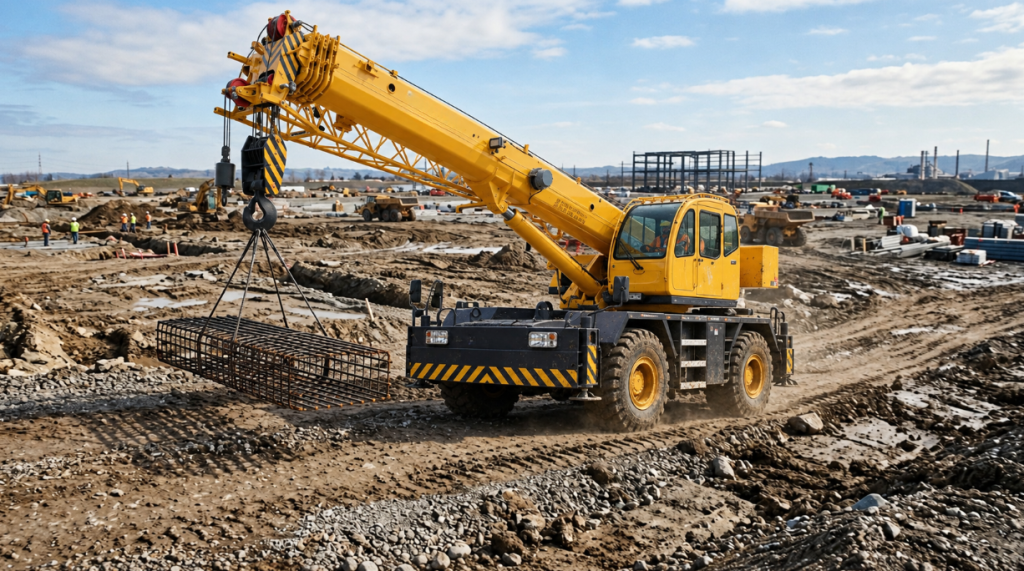
Geländekran Pick-and-Carry: What Buyers Should Check
A rough terrain crane can absolutely pick and carry a load, but the number on the badge isn't the number that matters. This guide breaks down how pick-and-carry load charts work, what ground and slope limits mean in practice, and how to size a crane for the move, not just the lift.
Mehr lesen -
 08Okt
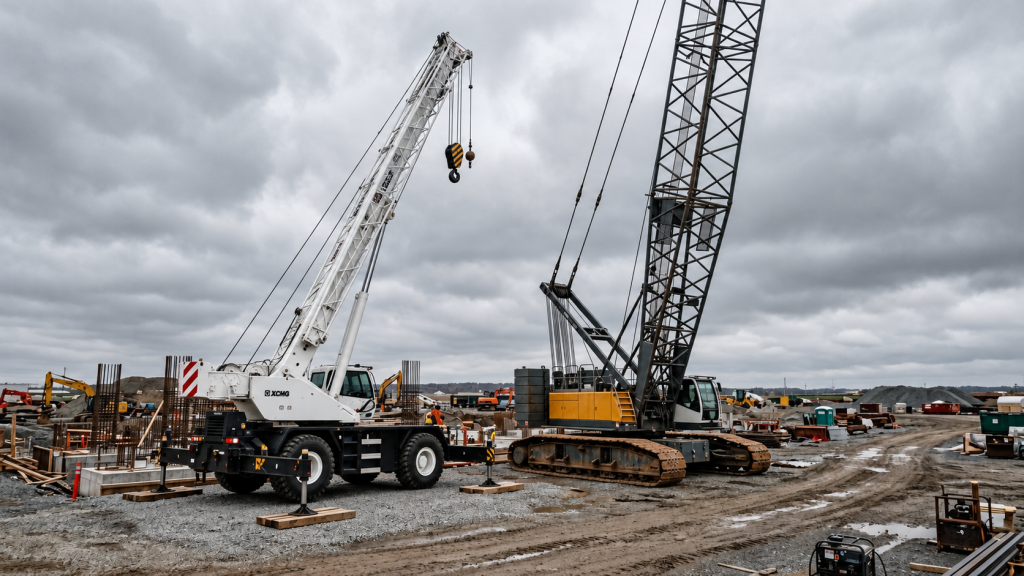
Geländekran vs Crawler Crane: How to Choose
Choosing between a rough terrain crane and a crawler crane isn't about which one lifts more on paper, it's about ground conditions, how often you reposition, and how the machine gets to site. This guide breaks down the real decision factors, from outrigger soil pressure to export logistics, so you don't find out the hard way which crane was wrong for your jobsite.
Mehr lesen -
 30Sep
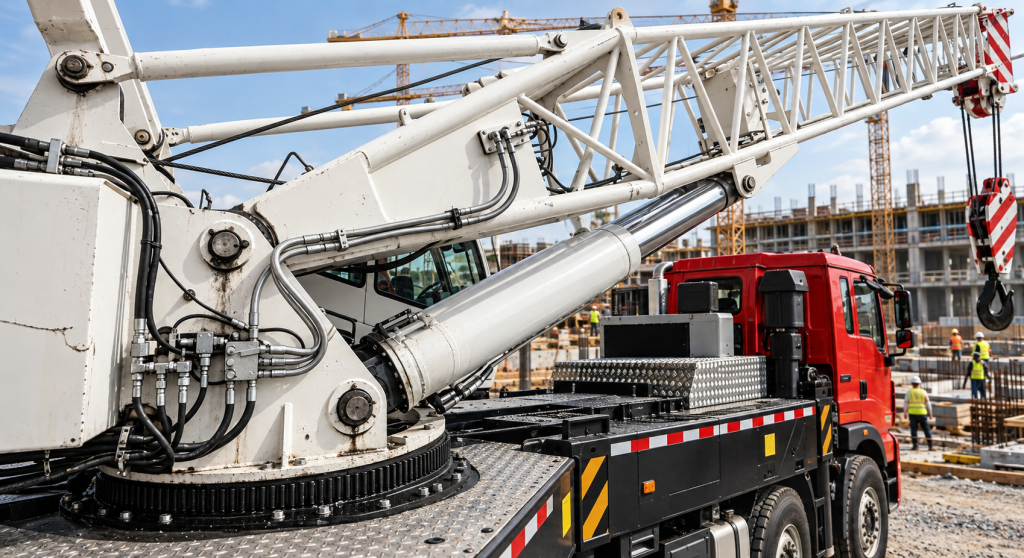
Mobile Crane Hydraulic Systems: Main Components and Daily Inspection Points
A mobile crane's hydraulic system is the muscle behind every lift — and most breakdowns trace back to skipped daily checks, not bad design. Here's what actually powers the boom, outriggers, and winch, and the five-minute inspection routine that catches problems before they become downtime.
Mehr lesen -
 30Sep
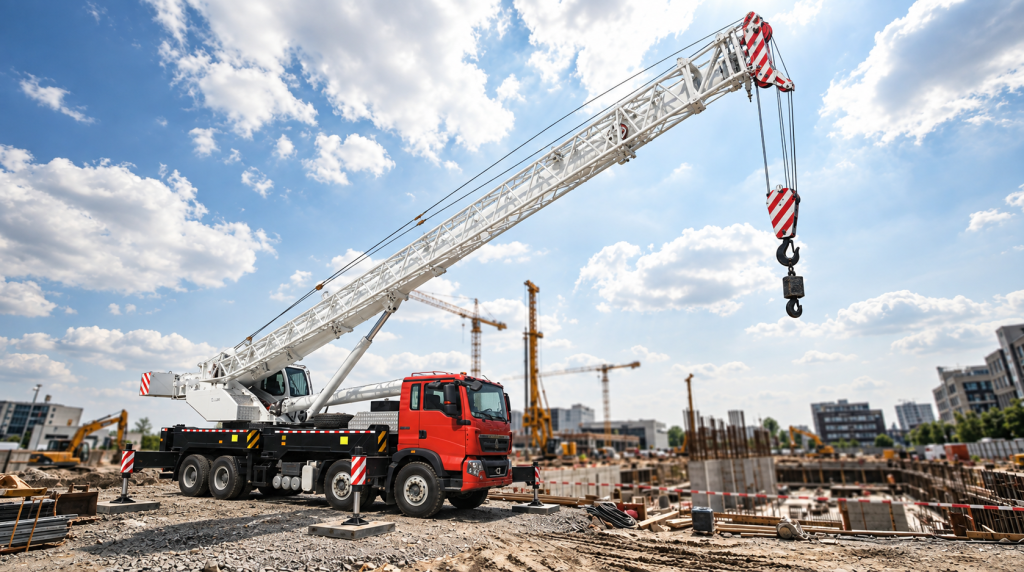
Fixed Jib vs Luffing Jib on Mobile Cranes: Reach, Angle, and Working Range
Fixed jibs and luffing jibs solve the same problem — extra reach without a longer main boom — but they behave very differently once you're mid-lift. Here's how each one affects your working range, load chart, and job site flexibility, with real numbers to back it up.
Mehr lesen -
 11Sep
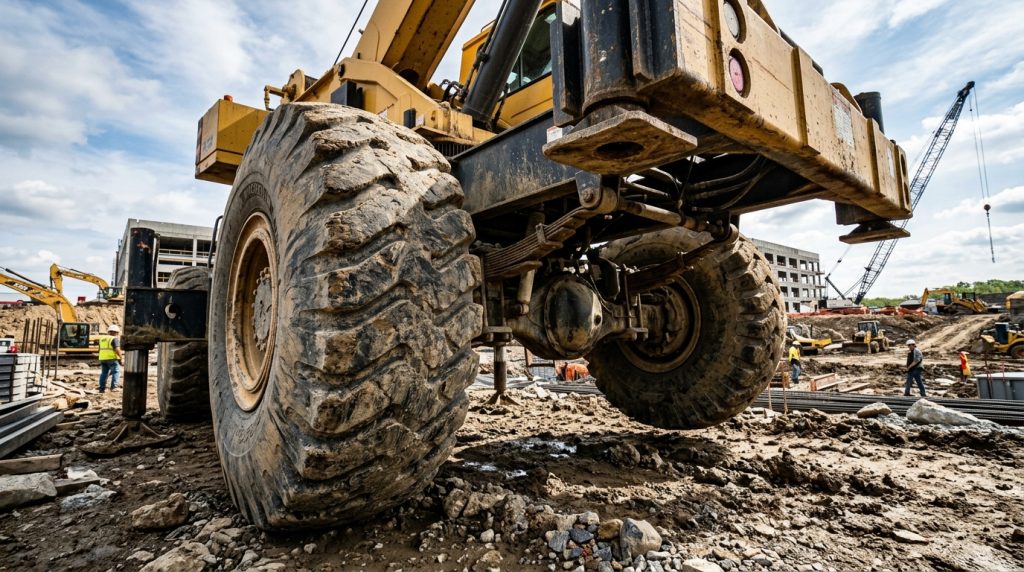
Geländekran Tires: Tread, Inflation, Load, and Jobsite Conditions
Wrong tire pressure or the wrong tread pattern can quietly cripple a rough terrain crane's stability and lifting capacity. Here's how tread design, inflation numbers, load ratings, and ground conditions actually interact — and what happens when you get them wrong.
Mehr lesen -
 03Sep
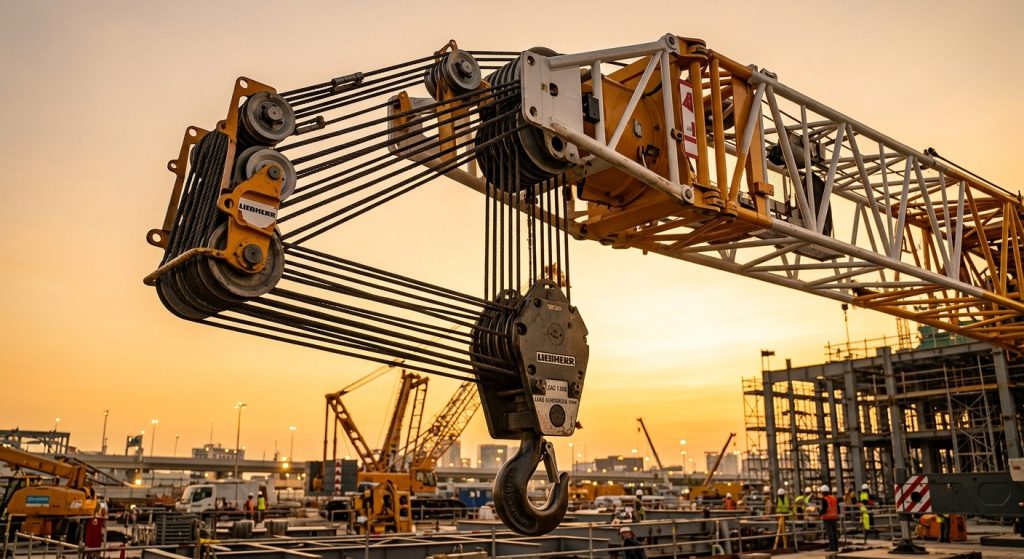
Crane Wire Rope Reeving Explained: Parts of Line, Hook Blocks, and Lifting Capacity
More parts of line means more lifting capacity — but also slower hoisting and more rope to inspect. This guide breaks down how reeving configurations actually work, why your hook block matters as much as your winch, and how to read a load chart the way a rigger does.
Mehr lesen -
 31Aug
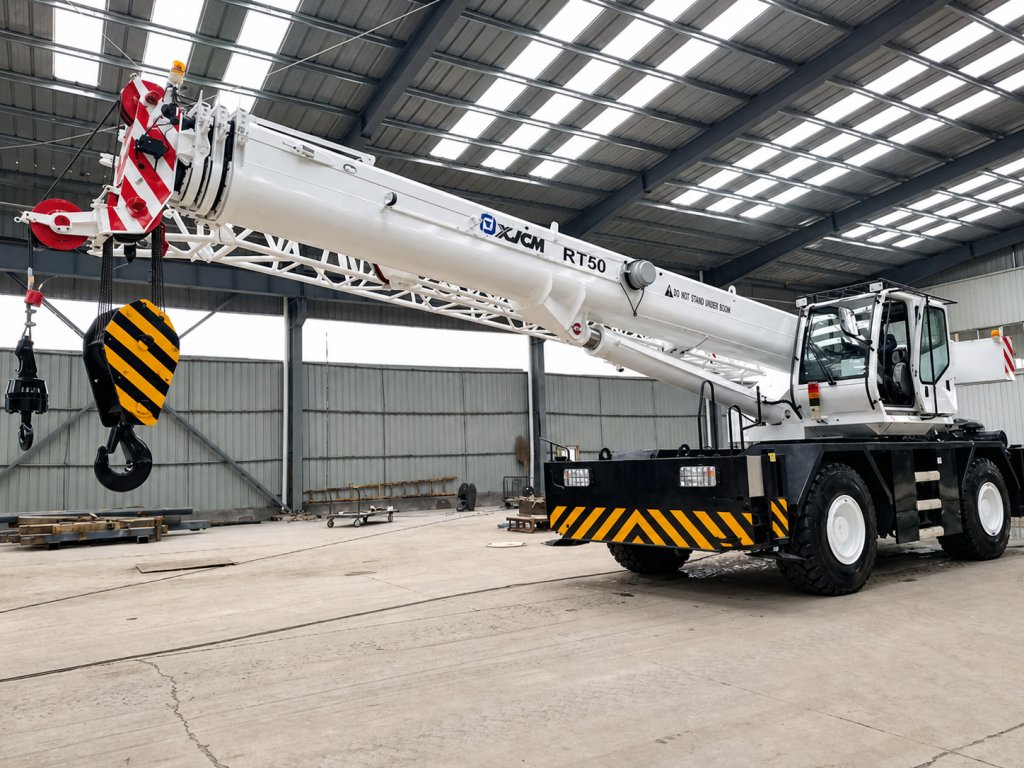
Mobile Crane Outrigger Setup: Extension Positions, Ground Support, and Leveling Checks
A crane's lift chart is only as good as its outrigger setup. Here's how extension position, ground bearing pressure, and leveling tolerance actually determine how much load you can safely swing — and why so many capacity complaints trace back to a rigging step, not the machine.
Mehr lesen -
 21Aug
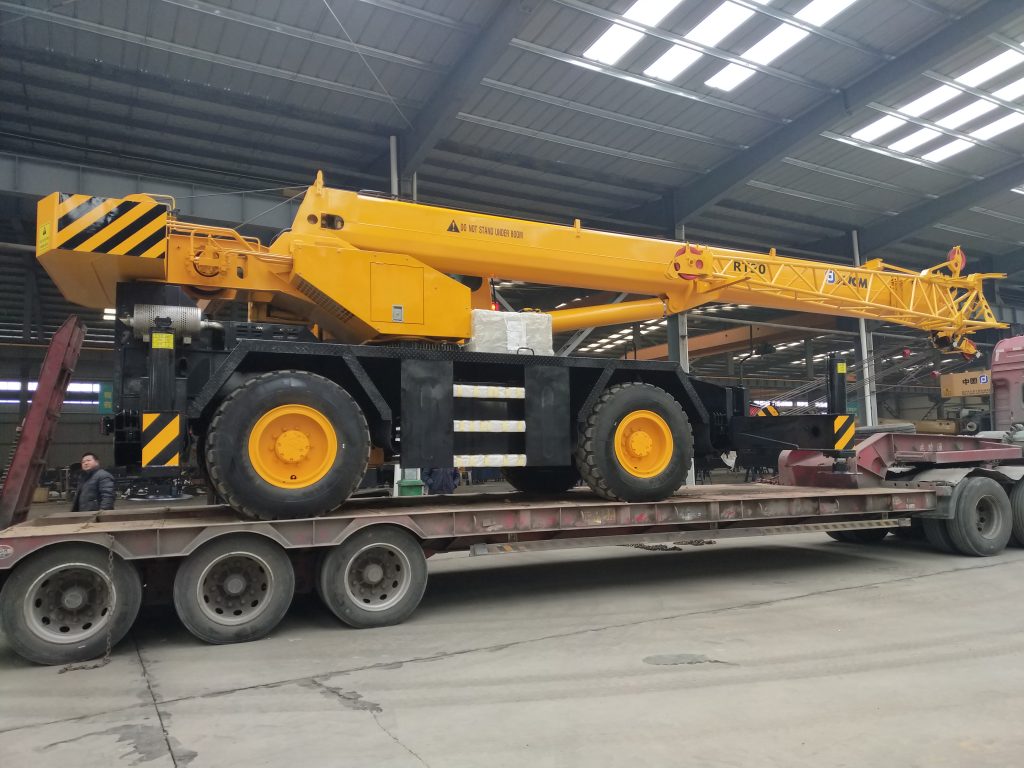
Crane Counterweight Configurations: How Counterweight, Working Radius, and Boom Length Work Together
Counterweight isn't just dead weight bolted to the back of a crane — it's the variable that decides how far you can reach and how much you can lift. Here's exactly how counterweight, working radius, and boom length interact, and why getting the configuration wrong costs you capacity you paid for.
Mehr lesen -
 06Aug
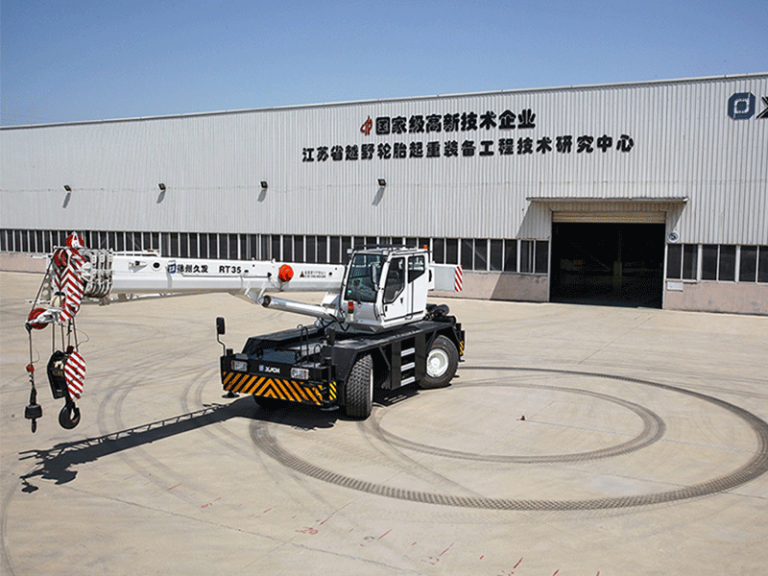
Telescopic Crane Boom Inspection: Wear Pads, Pins, Wire Ropes, and Hydraulic Cylinders
Most boom failures don't happen suddenly — they announce themselves for weeks through worn pads, sloppy pins, frayed wire, and weeping cylinders. This guide breaks down exactly what to check, how often, and what the numbers should tell you before a small problem becomes a crane down for a month.
Mehr lesen -
 01Aug
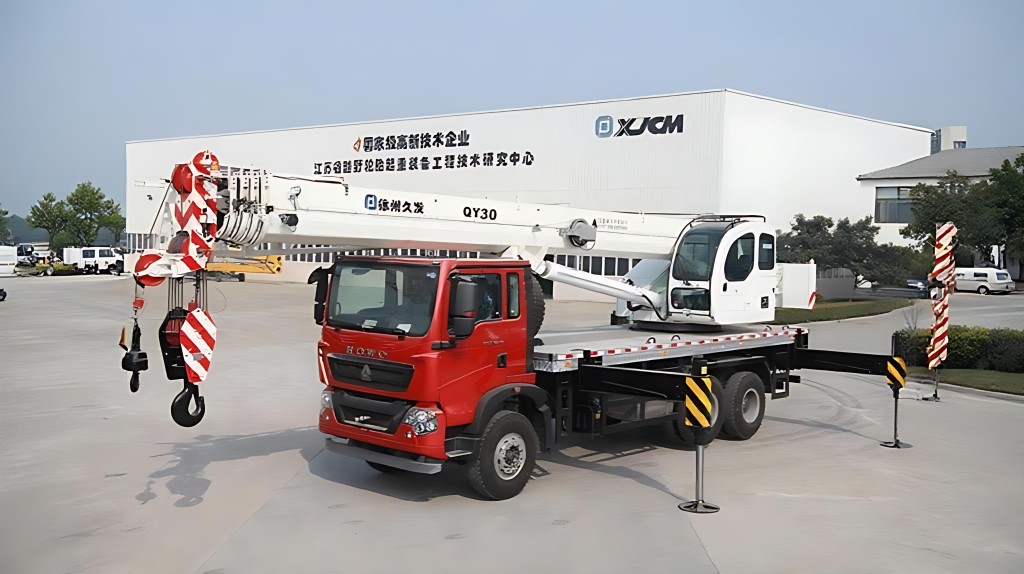
Mobile Crane Safety Systems Explained: LMI, Anti-Two-Block, Overload Protection, and Limit Switches
LMI, anti-two-block, overload protection, and limit switches aren't interchangeable buzzwords — each one catches a different failure mode before it becomes a tip-over or a snapped hoist line. Here's what each system actually does, how they work together, and what to check before you sign off on a crane.
Mehr lesen -
 24Jul
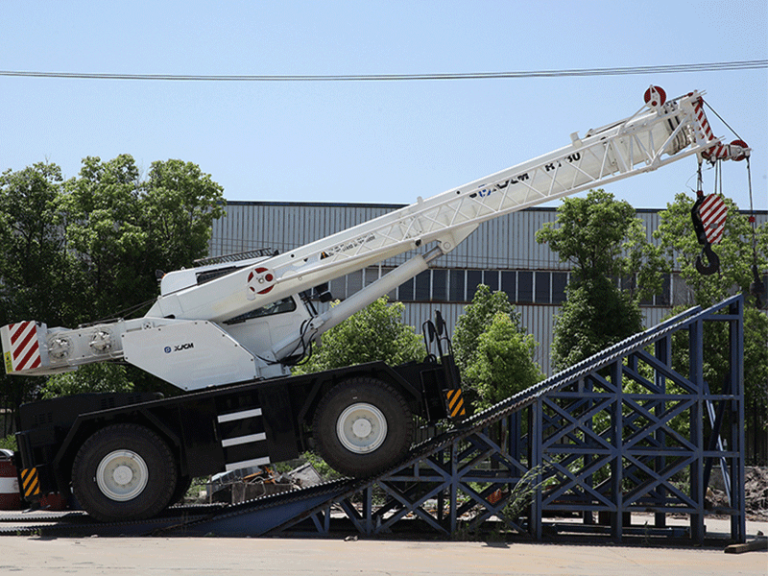
Crane Factory Acceptance Test Checklist: What Buyers Should Inspect Before Delivery
A factory acceptance test isn't a formality — it's your last chance to catch problems before a crane ships halfway around the world. Here's the exact checklist procurement teams and fleet managers should run through before signing off.
Mehr lesen -
 18Jul
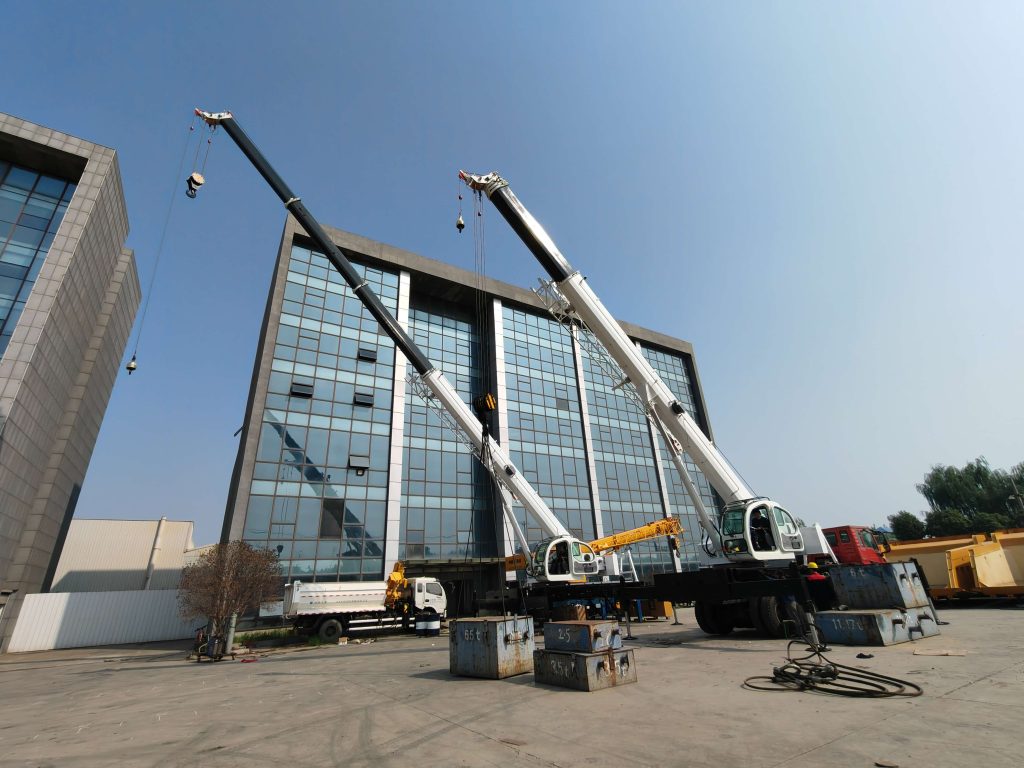
Geländekran vs All Terrain Crane: Key Differences and How to Choose
Rough terrain and all terrain cranes look similar on paper but perform very differently once they hit real jobsites. This guide breaks down chassis design, tire configuration, road speed, and lifting capacity so you can pick the right machine instead of guessing.
Mehr lesen -
 14Jul
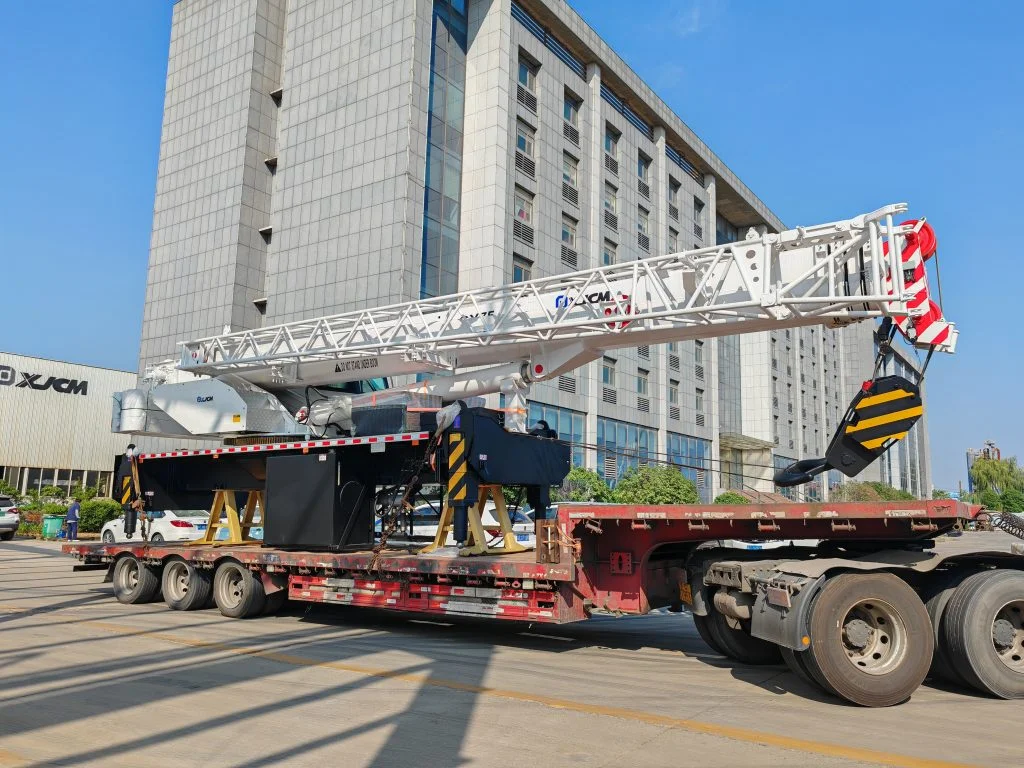
How Are Mobile Cranes Shipped Internationally? Transport, Disassembly and Delivery Guide
Shipping a mobile crane across an ocean isn't as simple as driving it onto a boat — most units get partially disassembled, crated, and reassembled at the port of arrival. Here's exactly how the process works, what it costs, and how to avoid the delays that trip up first-time importers.
Mehr lesen -
 06Jul
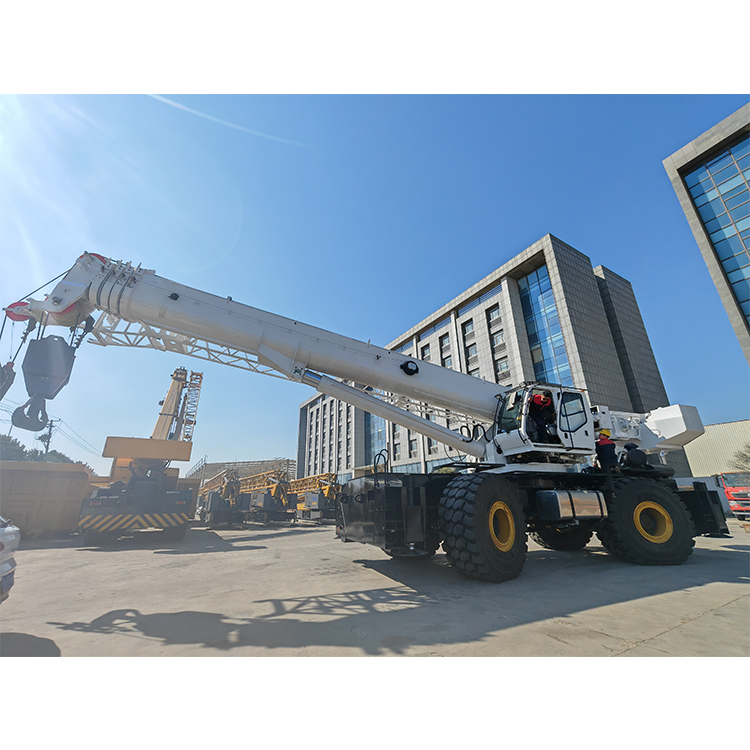
How Duty Cycle Affects Crane Selection: Lift Frequency, Load and Working Hours Explained
Buying a crane based on max tonnage alone is how fleets end up with fatigue cracks and blown warranties. Here's how lift frequency, load spectrum, and daily working hours should actually drive your crane selection.
Mehr lesen -
 29Jun
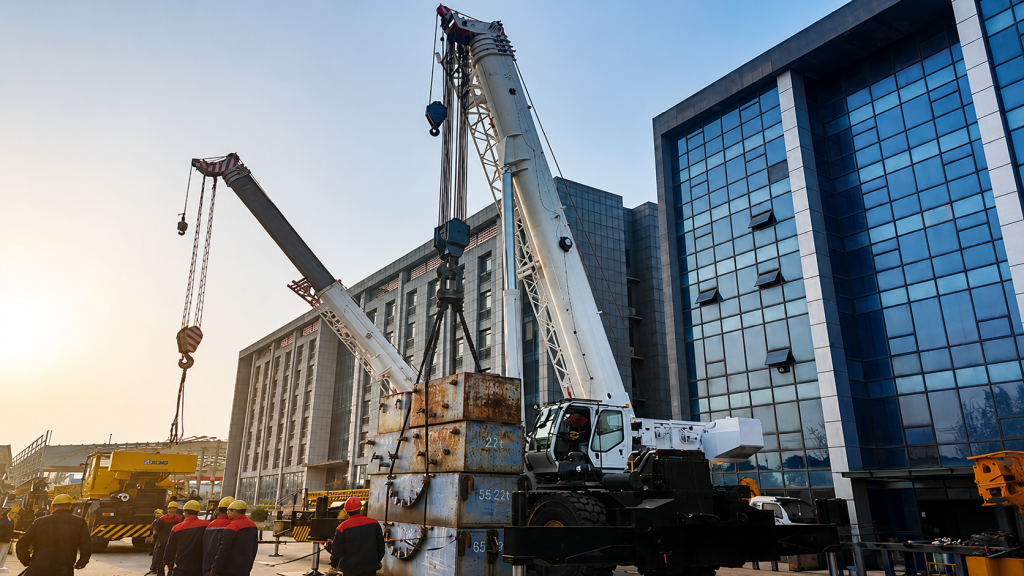
Rohrverlegeprojekte in unwegsamem Gelände: Warum die Kranauswahl den Zeitplan bestimmt
Bei Rohrverlegungen in abgelegenem Gelände steht und fällt der Zeitplan mit der Kranwahl. Wählen Sie eine Maschine, die mit der Steigung, dem Boden oder dem Rohrdurchmesser nicht zurechtkommt, geraten alle nachfolgenden Arbeiten in Verzug. So passen Sie Krantyp, Tragfähigkeit und Konfiguration an die Gegebenheiten des Geländes an.
Mehr lesen -
 26Jun
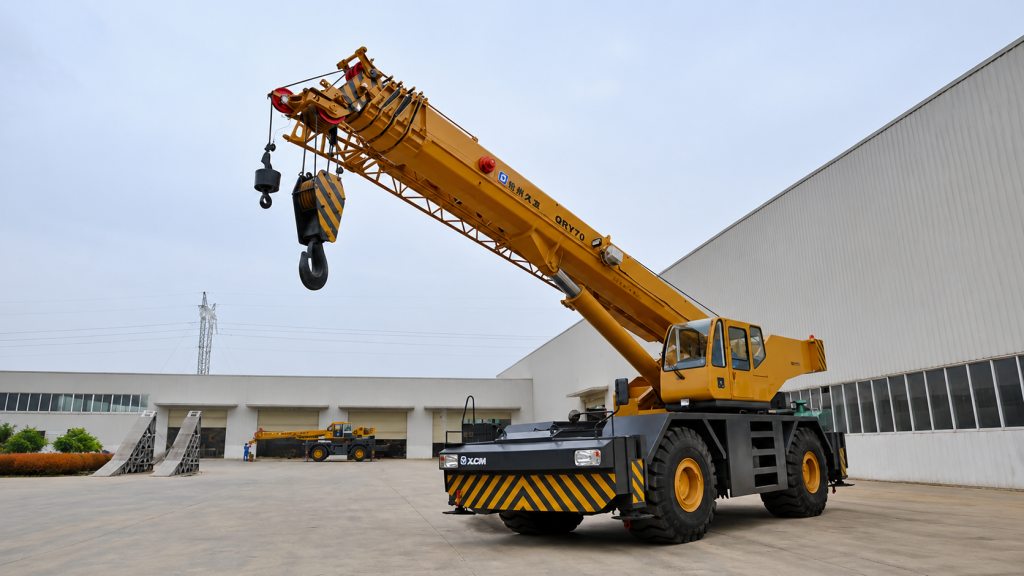
Innenleben eines 100-Tonnen-Geländekrans: Wie die Auslegerkonstruktion die tatsächliche Hubleistung beeinflusst
Der Ausleger ist die größte Einflussgröße auf die tatsächliche Hubleistung eines 100-Tonnen-Geländekrans. Wir analysieren Segmentanzahl, Profilgeometrie, Teleskopmechanik und Wippverhalten – und warum zwei Krane mit gleicher Nennkapazität auf der Baustelle ganz unterschiedlich arbeiten können.
Mehr lesen -
 24Jun
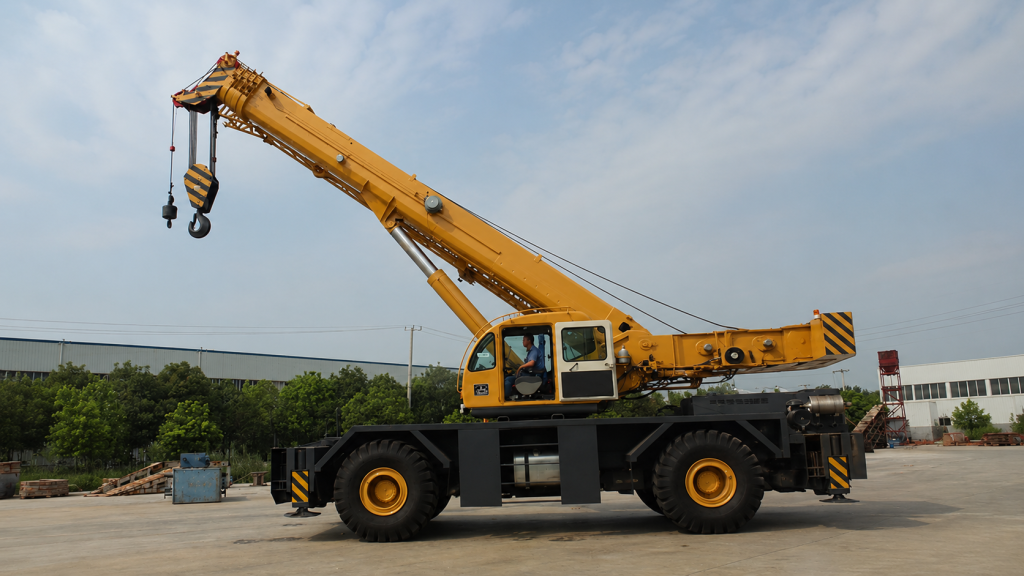
Warum Ihr importierter Kran in heißen Klimazonen ständig ausfällt (und wie Sie das verhindern)
Importierte Krane versagen in heißen Klimazonen, weil ihre Hydraulik, Elektronik und Dichtungen nie für den Betrieb bei 50 °C Umgebungstemperatur ausgelegt wurden. Hier erfahren Sie genau, was überhitzt, warum es passiert und wie Sie einen Kran spezifizieren oder nachrüsten, der auf Baustellen im Nahen Osten, in Afrika und Südostasien zuverlässig arbeitet.
Mehr lesen -
 12Jun
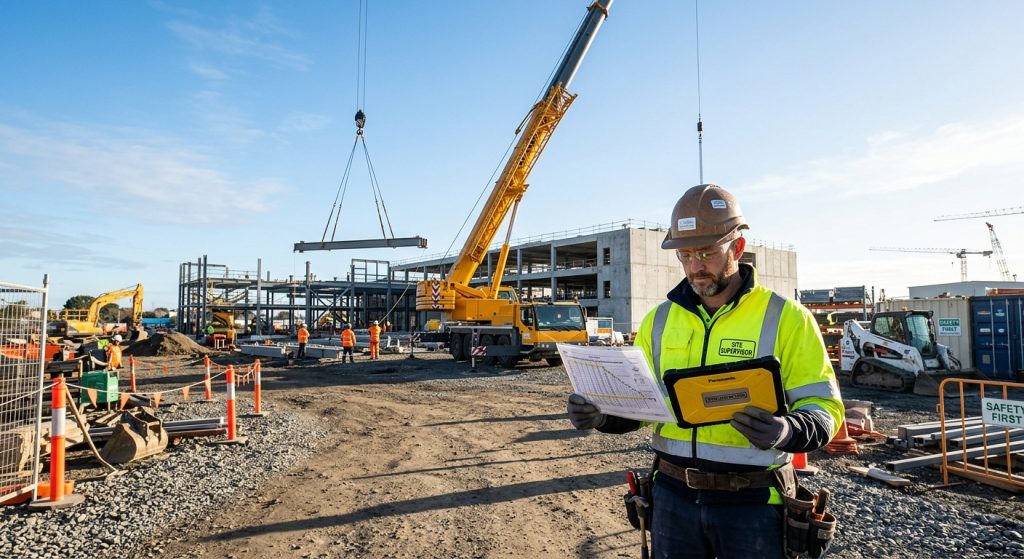
So wählen Sie die richtige Krantragfähigkeit für Ihr Projekt (ohne zu viel zu bezahlen)
Einen Kran zwei Größen größer zu kaufen als nötig, ist der teuerste Fehler im Schwertransport. So dimensionieren Sie die Tragfähigkeit passend zu Ihrem tatsächlichen Einsatz – Lastdiagramm, Ausladung, Gelände und Arbeitszyklus –, sodass Sie für Kapazität zahlen, die Sie nutzen, nicht für Kapazität, die ungenutzt bleibt.
Mehr lesen