The cheapest crane on the market will almost certainly become the most expensive equipment in your fleet. Buyers who chase the lowest sticker price routinely spend 50–100% more over five years on maintenance, downtime, replacement parts, safety remediation, and lost productivity than those who invest in a quality-engineered machine from the start. Below are the five hidden costs that turn a “great deal” into a financial sinkhole — plus concrete strategies to protect your bottom line without overpaying.
Table of contents
cnxjcm
Hidden Cost #1: Chronic Downtime That Bleeds Revenue
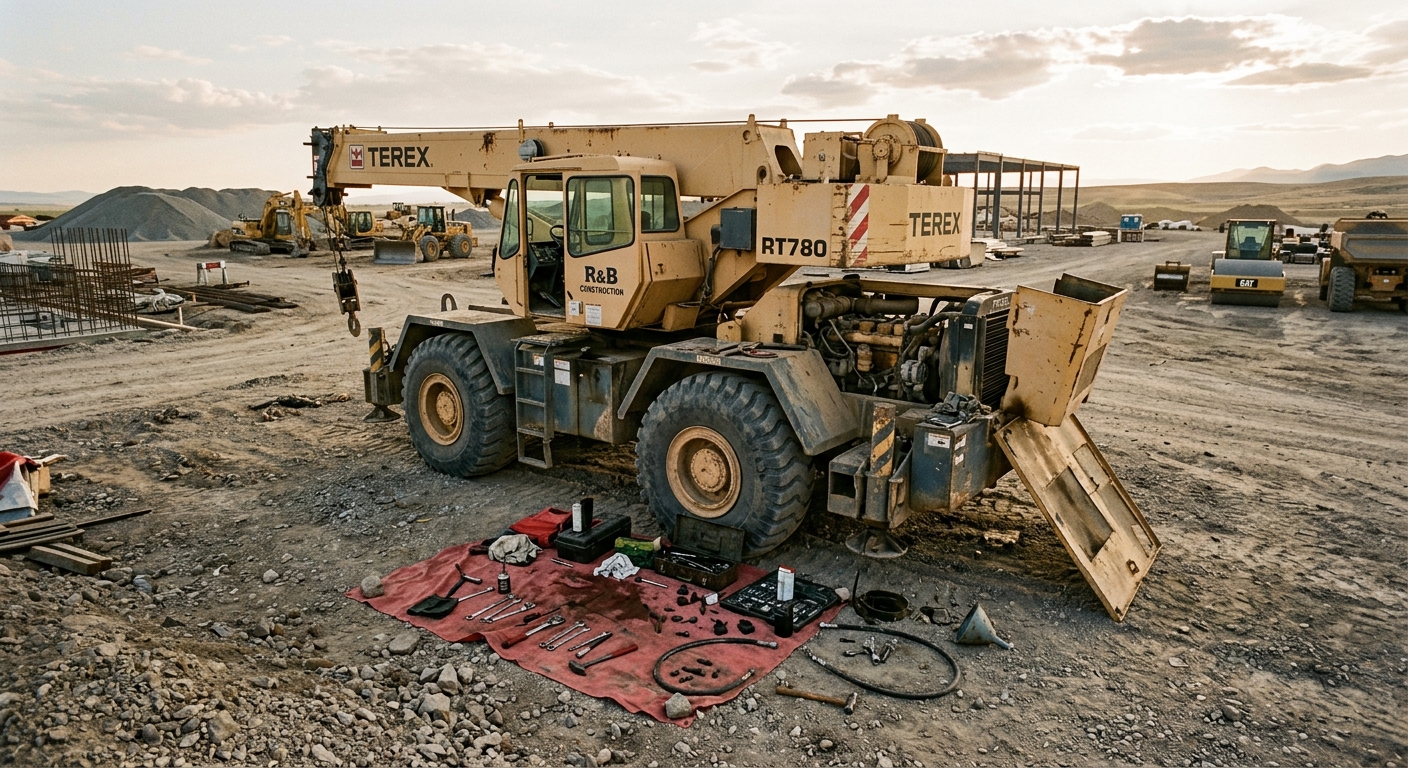
Downtime is the silent killer of crane ROI. A cheap crane doesn’t just break down more often — it breaks down at the worst possible moment, mid-lift on a deadline-critical pour or during a pipeline installation 200 km from the nearest service center. Industry data suggests that unplanned downtime on substandard heavy equipment averages 40–80 days per year, compared to 5–15 days for well-built machines. At a conservative day-rate of $1,500–$3,000 for a mid-range crane rental replacement, those extra idle days cost $60,000–$195,000 annually — dwarfing whatever you saved upfront.
Why Cheap Cranes Fail More Often
Budget manufacturers cut costs in places you can’t see on a spec sheet: thinner boom wall sections, lower-grade hydraulic seals, cheaper wire rope, and control valves sourced from unvetted suppliers. Each of these shortcuts shaves a few hundred dollars off the build cost but dramatically shortens mean time between failures (MTBF). A hydraulic seal that costs $8 instead of $22 might last 800 hours instead of 3,000 — and when it blows on a 30-ton rough terrain crane working a remote mine site in Central Africa, the replacement seal isn’t the problem. The two-week wait for the part, the mobilization of a service technician, and the idle crew are the problem.
Real-World Example
A mid-sized contractor in Southeast Asia purchased three budget 50-ton rough terrain cranes for a highway bridge project. Within the first eight months, two of the three units experienced hydraulic pump failures, and one had a boom extension cylinder seize. Total project delay: 34 days. The contractor later estimated the downtime cost — including penalty clauses in their construction contract — at roughly $220,000. They replaced all three machines with quality-engineered 50-ton RT cranes before the project’s second phase.
Hidden Cost #2: Maintenance and Spare Parts That Never End
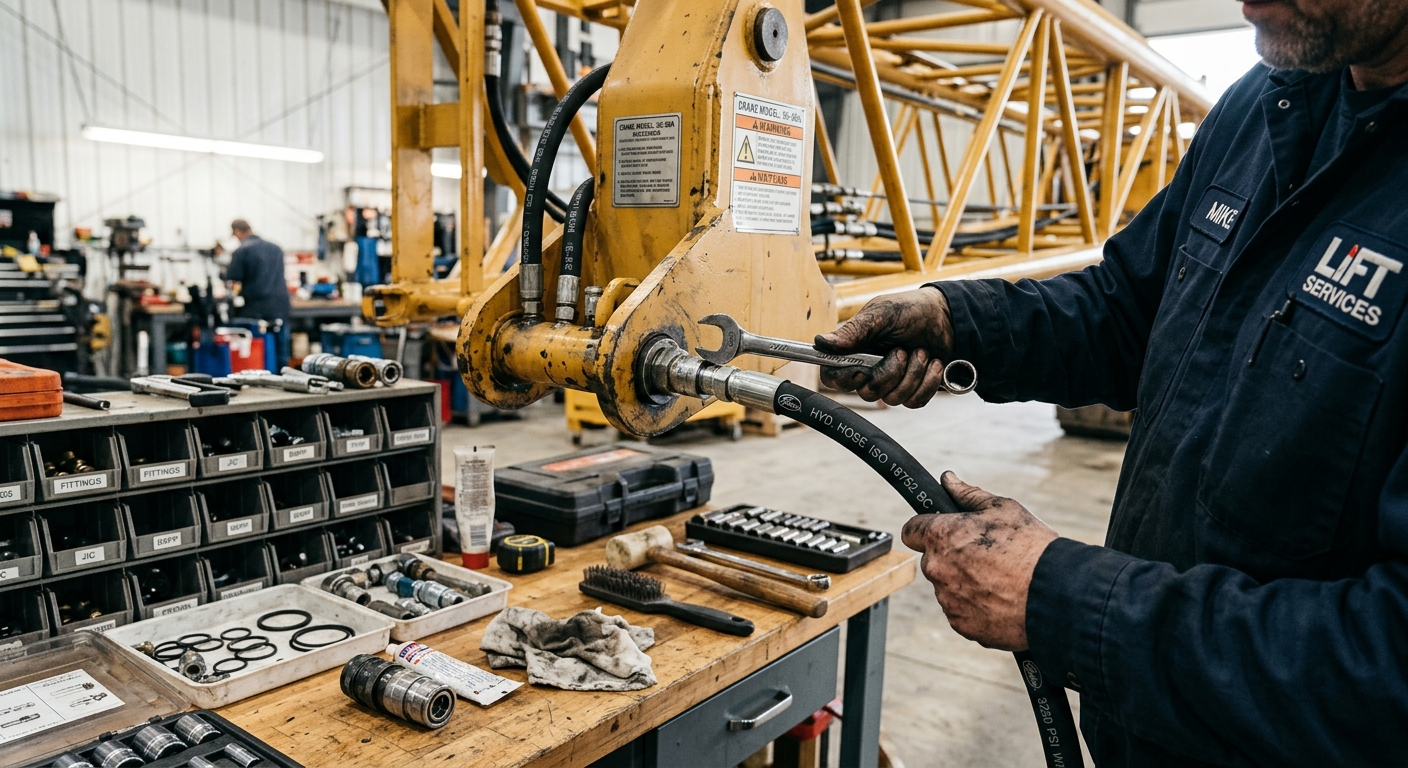
Here’s a number that should make you pause: owners of cheap cranes typically spend 15–30% of the original purchase price on maintenance every single year. Quality machines? More like 5–10%. Over a five-year ownership cycle, that gap compounds into a staggering difference.
The Spare Parts Trap
Budget crane manufacturers often use non-standard or proprietary components that aren’t interchangeable with widely available parts. When something breaks, you’re locked into ordering from the original supplier — if they’re still in business. Lead times of 6–12 weeks for critical components are common. And because these parts are low-volume, they’re rarely cheap despite being low-quality.
Reputable manufacturers like XJCM design their cranes with widely available hydraulic, electrical, and drivetrain components. They also maintain parts inventories and provide comprehensive preventative maintenance guidance that extends component life and reduces unplanned repairs.
Labor Costs Multiply
Cheap cranes demand more frequent servicing, and each service event takes longer because technicians struggle with poor documentation, inconsistent build quality, and non-standard fasteners. If you’re paying a mechanic $45–$80/hour, those extra hours add up fast. A crane that needs service every 250 hours instead of every 500 hours doubles your labor maintenance budget before you even factor in parts.
Hidden Cost #3: Safety Liabilities and Regulatory Risk
This is the hidden cost that can end your business, not just dent your budget. Crane accidents are among the most catastrophic events on any job site, and cheap cranes carry disproportionate safety risk.
Where Safety Gets Compromised
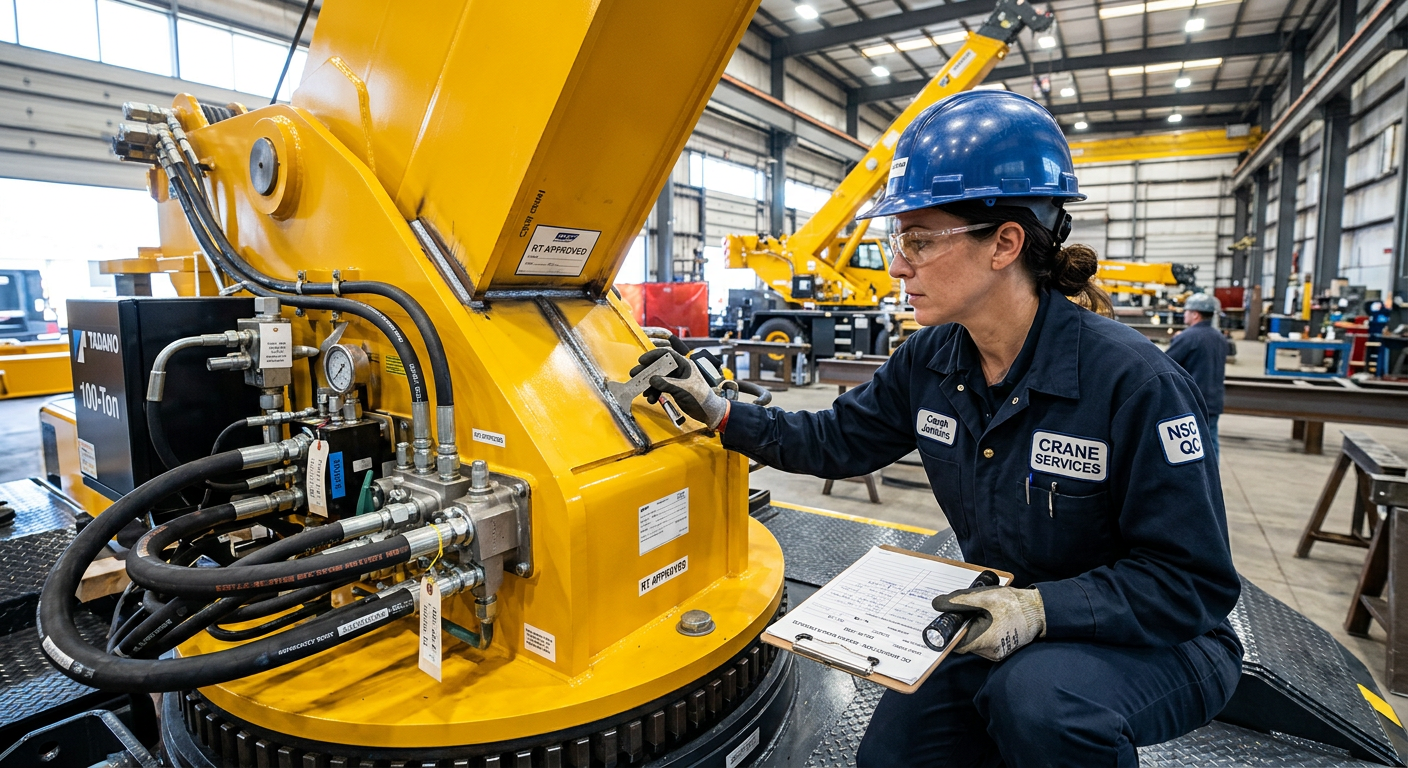
Budget manufacturers frequently skip or minimize critical safety systems: load moment indicators (LMI) may be inaccurate or absent, outrigger monitoring systems may not exist, and structural welds may not meet international standards. The boom steel itself may have inconsistent yield strength. None of this shows up during a quick demo — it shows up when you’re lifting 40 tons at maximum radius and the LMI doesn’t warn you that you’re at 105% of rated capacity.
The Financial Fallout
A single crane incident can trigger:
- Worker injury or fatality claims (potentially millions in liability)
- Regulatory fines and mandatory stand-down periods
- Increased insurance premiums — often 30–50% higher after an incident
- Project contract termination and blacklisting by major clients
- Criminal prosecution of site managers in some jurisdictions
Following established safety operation requirements is essential, but those protocols are only as reliable as the machine executing them. A crane with a faulty LMI or substandard structural integrity makes even the best-trained operator vulnerable.
Certification Gaps
Many cheap cranes arrive without proper CE, ISO, or local market certifications. Buyers discover this when they try to register the equipment or when a safety inspector flags it on-site. Retrofitting a crane to meet certification standards — if it’s even possible — can cost 10–20% of the purchase price and take months.
Hidden Cost #4: Fuel Inefficiency and Operational Waste
A crane’s fuel consumption is one of its largest ongoing operating costs, and cheap cranes are almost always less fuel-efficient. Why? Because efficiency requires engineering investment — optimized hydraulic circuits, electronically controlled engines, well-matched pump-motor combinations, and intelligent load-sensing systems. Budget builds skip these refinements.
The Numbers Are Brutal
A poorly optimized 70-ton RT crane might consume 25–35 liters of diesel per operating hour, while a well-engineered equivalent — like the XJCM 70-ton RT crane — can operate at 18–24 liters per hour under similar load conditions. At $1.20/liter and 1,500 operating hours per year, that’s a difference of $12,600–$19,800 annually in fuel alone. Over five years? Up to $99,000 wasted on diesel.
Hydraulic Efficiency Matters More Than You Think
Cheap cranes often use fixed-displacement hydraulic pumps instead of variable-displacement, load-sensing systems. Fixed pumps run at full flow regardless of demand, generating excess heat and wasting energy. The excess heat accelerates oil degradation, shortens seal life, and requires larger cooling systems that consume even more power. It’s a cascade of inefficiency that starts with a single cost-cutting decision in the hydraulic design.
Hidden Cost #5: Catastrophic Resale Value
Every crane is a depreciating asset, but cheap cranes depreciate like a stone dropped off a cliff. A quality rough terrain crane from a recognized manufacturer typically retains 45–60% of its value after five years. A budget crane? You’ll be lucky to get 20–30% — and that’s assuming you can find a buyer at all.
Why the Resale Gap Is So Wide
Experienced buyers in the secondary market know exactly what to look for. They check manufacturer reputation, service records, parts availability, and structural integrity. A cheap crane with a thin service history, non-standard components, and an unknown brand name is a red flag. Most buyers won’t touch it at any price, and those who will know they have all the leverage.
Fleet Rotation Strategy
Smart fleet managers treat resale value as a core financial metric. They buy quality equipment, maintain it rigorously, and rotate it out of the fleet at the optimal point on the depreciation curve — typically around year 5–7. This strategy only works if the equipment holds its value. A fleet built on cheap cranes can’t execute this strategy because there’s no secondary market demand. You’re stuck with aging, expensive-to-maintain machines that nobody wants to buy.
The True Cost Comparison: Cheap vs. Quality-Engineered
Let’s put all five hidden costs together in a concrete comparison. The table below contrasts a typical budget crane against a quality-engineered machine over a five-year ownership period. The numbers speak for themselves.
When you factor in maintenance, downtime, fuel waste, safety risk, and resale loss, the “cheap” crane frequently costs 1.5–2× its purchase price in total cost of ownership. The quality crane? Typically 1.1–1.3×. The upfront savings evaporate — and then some.
How to Buy Smart Without Overpaying
Avoiding hidden costs doesn’t mean buying the most expensive crane on the market. It means buying intelligently. Here’s a practical framework.
1. Calculate Total Cost of Ownership (TCO), Not Just Purchase Price
Before signing any purchase order, build a five-year TCO model that includes: purchase price, estimated annual maintenance (parts + labor), fuel consumption at your expected utilization rate, insurance premiums, projected resale value, and a downtime cost estimate. A crane that costs 15% more upfront but saves 40% in TCO is the obvious winner.
2. Verify Manufacturer Track Record and After-Sales Infrastructure
Ask hard questions: How many units has this manufacturer delivered in your region? Where is the nearest parts warehouse? What’s the average lead time for critical components? Do they offer operator training and on-site commissioning? A manufacturer like XJCM, with over 30 years of experience and exports to 40+ countries, maintains the service infrastructure that budget brands simply cannot match.
3. Inspect Component Quality, Not Just Specs
Spec sheets can look identical between a cheap crane and a quality one. The difference is in the components behind the specs. Ask about: hydraulic pump and valve brands, engine manufacturer and emissions tier, boom steel grade and welding standards, wire rope specification, and LMI/safety system supplier. If the manufacturer can’t or won’t disclose component sourcing, walk away.
4. Demand Proper Certifications
Ensure the crane carries relevant certifications for your market — CE, ISO 9001, and any local regulatory approvals. Ask for test reports and inspection certificates, not just claims on a brochure.
5. Evaluate the Steering and Drivetrain for Your Terrain
If you’re operating in rough or off-road conditions, the steering system design directly impacts reliability and tire wear. Budget cranes often use simplified steering that accelerates tire degradation on uneven ground — another hidden cost that adds up over thousands of operating hours.
When “Affordable” and “Quality” Aren’t Mutually Exclusive
Here’s the good news: you don’t have to choose between breaking the bank and buying junk. The global crane market in 2026 includes manufacturers who have figured out how to deliver genuine engineering quality at competitive prices — primarily by investing in manufacturing scale, vertical integration, and efficient supply chains rather than cutting corners on materials and design.
XJCM is a case in point. With an annual production capacity exceeding 3,000 units, advanced CNC machining and testing facilities, and a vertically integrated manufacturing process, the company achieves cost efficiency through scale — not by skimping on boom steel or hydraulic components. Their RT series cranes were recognized under China’s National Torch Plan Industrialization Demonstration Project, a designation reserved for high-tech industrial achievements.
Whether you need a 100-ton mobile crane for heavy infrastructure work or a compact self-erecting tower crane for urban sites, the principle is the same: buy from a manufacturer whose cost advantage comes from production efficiency, not from cutting the things that keep your crane running and your crew safe.
The cheapest crane is never the one with the lowest price tag. It’s the one that costs you the least over its entire working life. Run the TCO numbers, verify the manufacturer’s track record, inspect what’s under the sheet metal, and you’ll make a decision you won’t regret in year three. Ready to compare real numbers? Explore XJCM’s full crane lineup and request a detailed quote with TCO projections tailored to your operation.


