-
 30Sep
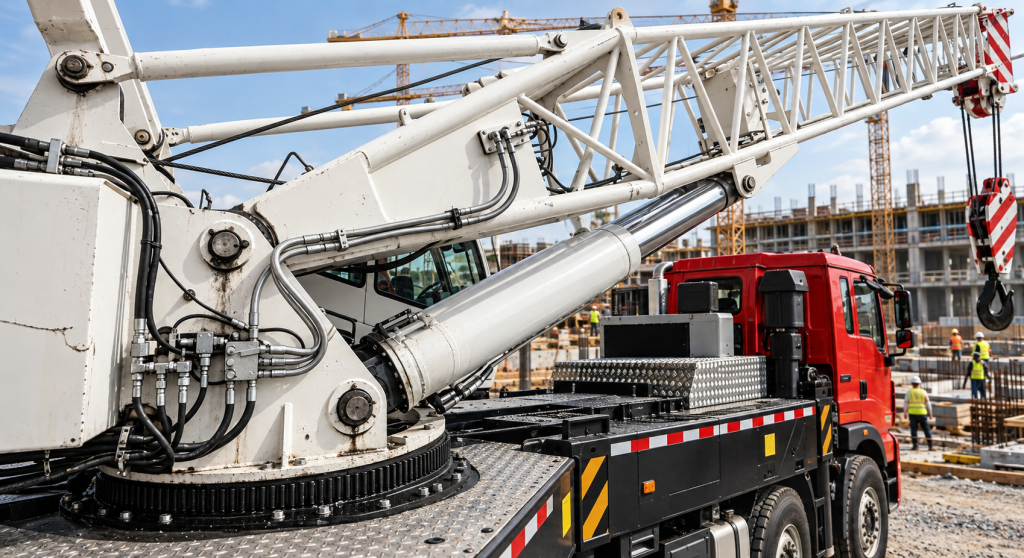
Mobile Crane Hydraulic Systems: Main Components and Daily Inspection Points
A mobile crane's hydraulic system is the muscle behind every lift — and most breakdowns trace back to skipped daily checks, not bad design. Here's what actually powers the boom, outriggers, and winch, and the five-minute inspection routine that catches problems before they become downtime.
Leggi di Più -
30Sep
Fixed Jib vs Luffing Jib on Mobile Cranes: Reach, Angle, and Working Range
Fixed jibs and luffing jibs solve the same problem — extra reach without a longer main boom — but they behave very differently once you're mid-lift. Here's how each one affects your working range, load chart, and job site flexibility, with real numbers to back it up.
Leggi di Più -
11Sep
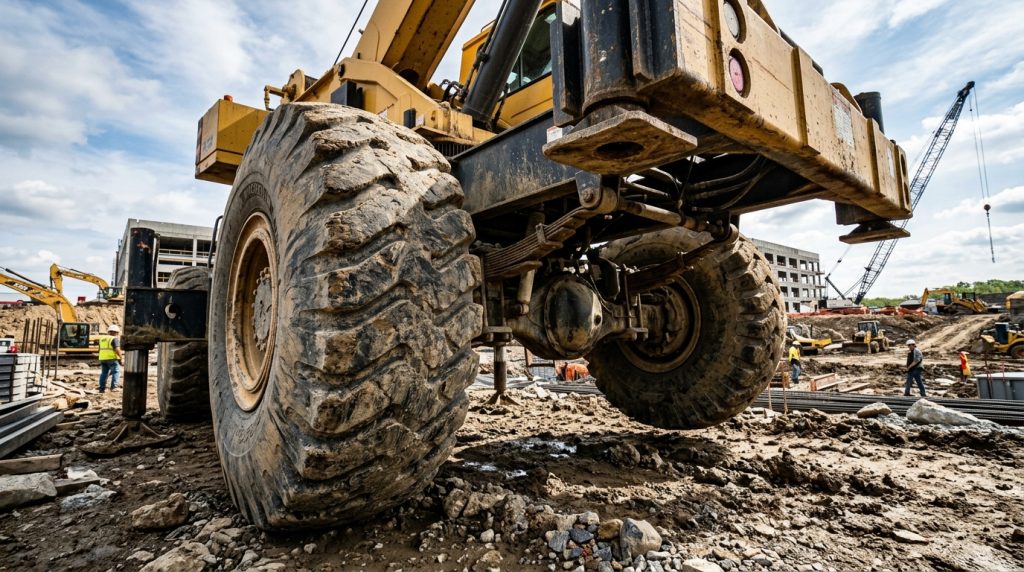
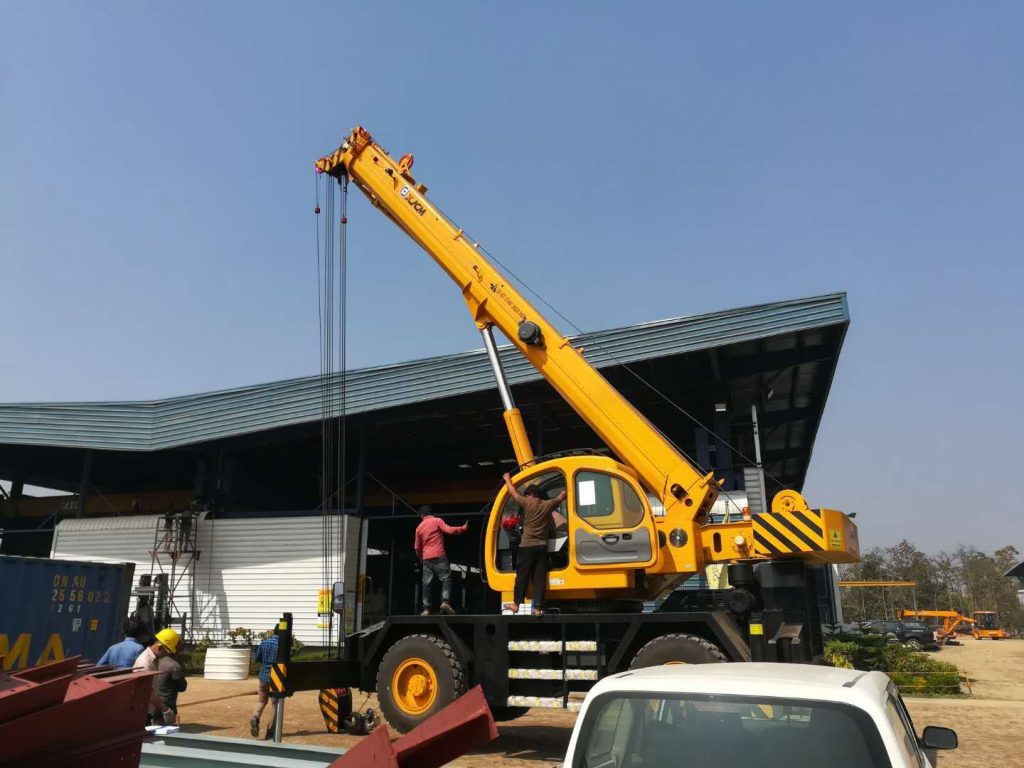
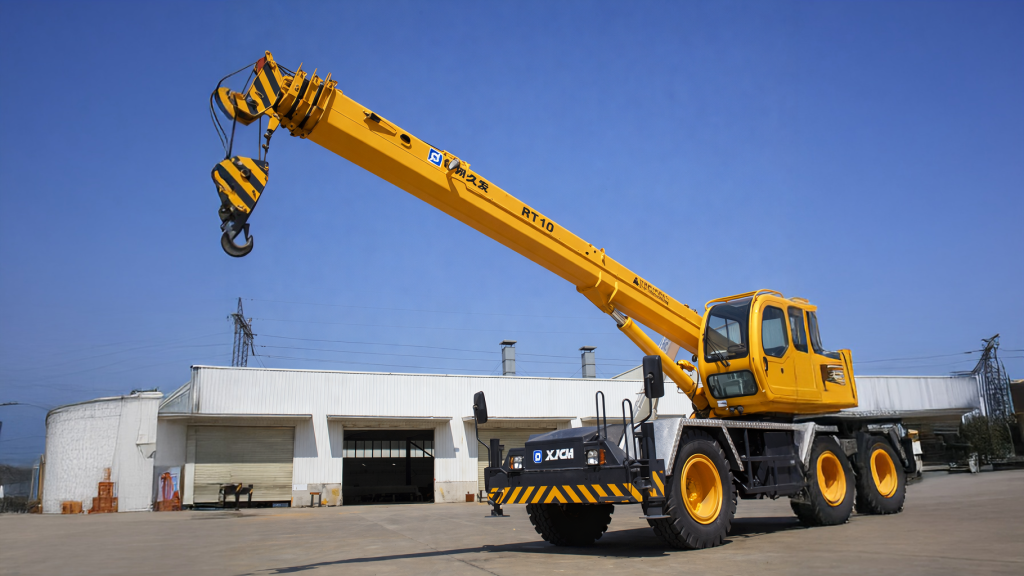
Gru per terreni accidentati Tires: Tread, Inflation, Load, and Jobsite Conditions
Wrong tire pressure or the wrong tread pattern can quietly cripple a rough terrain crane's stability and lifting capacity. Here's how tread design, inflation numbers, load ratings, and ground conditions actually interact — and what happens when you get them wrong.
Leggi di Più -
03Sep
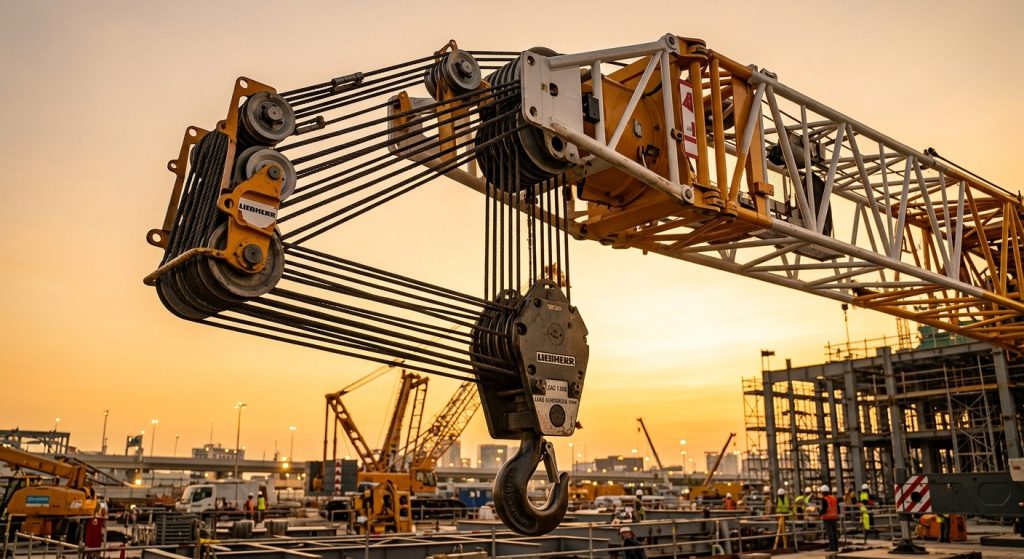
Crane Wire Rope Reeving Explained: Parts of Line, Hook Blocks, and Lifting Capacity
More parts of line means more lifting capacity — but also slower hoisting and more rope to inspect. This guide breaks down how reeving configurations actually work, why your hook block matters as much as your winch, and how to read a load chart the way a rigger does.
Leggi di Più -
31Ago
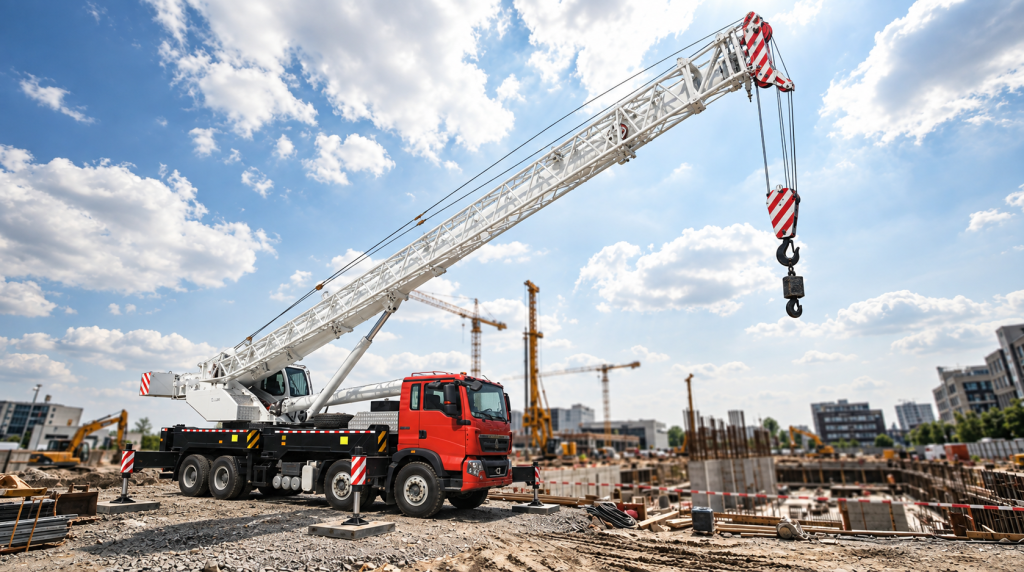
Mobile Crane Outrigger Setup: Extension Positions, Ground Support, and Leveling Checks
A crane's lift chart is only as good as its outrigger setup. Here's how extension position, ground bearing pressure, and leveling tolerance actually determine how much load you can safely swing — and why so many capacity complaints trace back to a rigging step, not the machine.
Leggi di Più -
21Ago
Crane Counterweight Configurations: How Counterweight, Working Radius, and Boom Length Work Together
Counterweight isn't just dead weight bolted to the back of a crane — it's the variable that decides how far you can reach and how much you can lift. Here's exactly how counterweight, working radius, and boom length interact, and why getting the configuration wrong costs you capacity you paid for.
Leggi di Più -
06Ago
Telescopic Crane Boom Inspection: Wear Pads, Pins, Wire Ropes, and Hydraulic Cylinders
Most boom failures don't happen suddenly — they announce themselves for weeks through worn pads, sloppy pins, frayed wire, and weeping cylinders. This guide breaks down exactly what to check, how often, and what the numbers should tell you before a small problem becomes a crane down for a month.
Leggi di Più -
01Ago
Mobile Crane Safety Systems Explained: LMI, Anti-Two-Block, Overload Protection, and Limit Switches
LMI, anti-two-block, overload protection, and limit switches aren't interchangeable buzzwords — each one catches a different failure mode before it becomes a tip-over or a snapped hoist line. Here's what each system actually does, how they work together, and what to check before you sign off on a crane.
Leggi di Più -
24Lug
Crane Factory Acceptance Test Checklist: What Buyers Should Inspect Before Delivery
A factory acceptance test isn't a formality — it's your last chance to catch problems before a crane ships halfway around the world. Here's the exact checklist procurement teams and fleet managers should run through before signing off.
Leggi di Più -
18Lug
Gru per terreni accidentati vs All Terrain Crane: Key Differences and How to Choose
Rough terrain and all terrain cranes look similar on paper but perform very differently once they hit real jobsites. This guide breaks down chassis design, tire configuration, road speed, and lifting capacity so you can pick the right machine instead of guessing.
Leggi di Più -
14Lug
How Are Mobile Cranes Shipped Internationally? Transport, Disassembly and Delivery Guide
Shipping a mobile crane across an ocean isn't as simple as driving it onto a boat — most units get partially disassembled, crated, and reassembled at the port of arrival. Here's exactly how the process works, what it costs, and how to avoid the delays that trip up first-time importers.
Leggi di Più -
06Lug
How Duty Cycle Affects Crane Selection: Lift Frequency, Load and Working Hours Explained
Buying a crane based on max tonnage alone is how fleets end up with fatigue cracks and blown warranties. Here's how lift frequency, load spectrum, and daily working hours should actually drive your crane selection.
Leggi di Più -
29Giu
Progetti di Posa Tubi in Terreni Remoti: Perché la Scelta della Gru Determina il Rispetto dei Tempi
I programmi di posa tubi in aree remote dipendono dalla scelta della gru. Scegli una macchina che non riesce a gestire il dislivello, il terreno o il diametro del tubo, e ogni fase successiva subirà ritardi. Ecco come abbinare il tipo, la portata e la configurazione della gru alla realtà del terreno.
Leggi di Più -
26Giu
All'interno di una Gru Fuoristrada da 100 Tonnellate: Come il Design del Braccio Influenza le Prestazioni di Sollevamento Reali
Il braccio è la variabile singola più importante nelle prestazioni di sollevamento reali di una gru fuoristrada da 100 tonnellate. Analizziamo il numero di sezioni, la geometria del profilo, i meccanismi di telescopio e il comportamento di luffing — e perché due gru con la stessa capacità nominale possono comportarsi in modo molto diverso in cantiere.
Leggi di Più -
24Giu
Perché la Vostra Gru Importata Continua a Guastarsi nei Climi Caldi (E Come Fermarla)
Le gru importate si guastano nei climi caldi perché i loro sistemi idraulici, elettronici e le guarnizioni non sono mai stati specificati per un funzionamento a 50°C ambientali. Ecco esattamente cosa si surriscalda, perché accade e come specificare o adattare una gru che sopravviva ai cantieri del Medio Oriente, Africa e Sud-est asiatico.
Leggi di Più -
12Giu
Come Scegliere la Giusta Portata della Gru per il Vostro Progetto (Senza Pagare Troppo)
Acquistare una gru due taglie più grande del necessario è l'errore più costoso nel sollevamento pesante. Ecco come dimensionare la portata in base al lavoro effettivo — diagramma di carico, raggio, terreno e ciclo di lavoro — in modo da pagare per la capacità che utilizzerete, non per quella che resta inutilizzata.
Leggi di Più -
09Giu
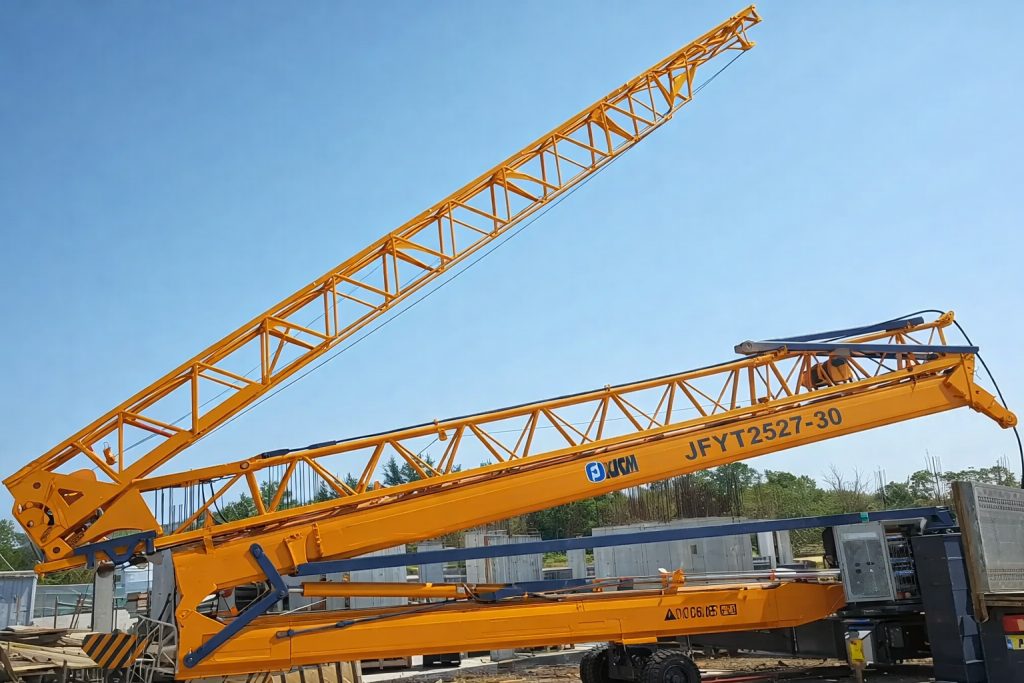
Gru a Torre Autosollevanti per Edilizia Urbana su Piccola Scala: Pianificazione del Sito, Costi e Installazione
Le gru a torre autosollevanti consentono un sollevamento rapido e a basso ingombro su cantieri urbani compatti — tipicamente allestite in 4–8 ore, costano il 30–50% in meno da gestire rispetto alle gru mobili e si adattano a lotti anche di 6×6 m. Ecco come pianificare il sito, preventivare il lavoro e far funzionare la gru dal primo giorno.
Leggi di Più -
01Giu
Come Viene Eretta una Piccola Gru a Torre Autosollevante
Una guida pratica per erigere una piccola gru a torre autosollevante, dal posizionamento e l'impostazione degli stabilizzatori all'erezione idraulica e ai controlli di sicurezza.
Leggi di Più -
01Giu
5 Costi Nascosti dell'Acquisto di Gru Economiche — E Come Evitarli
Quell'affare apparentemente vantaggioso per una gru potrebbe costarti tre volte più di quanto hai risparmiato. Dai tempi di inattività cronici e le bollette di manutenzione esorbitanti ai rischi di sicurezza e al valore di rivendita in calo, ecco i cinque costi nascosti che la maggior parte degli acquirenti scopre troppo tardi — e strategie pratiche per evitarli tutti.
Leggi di Più -
29Apr
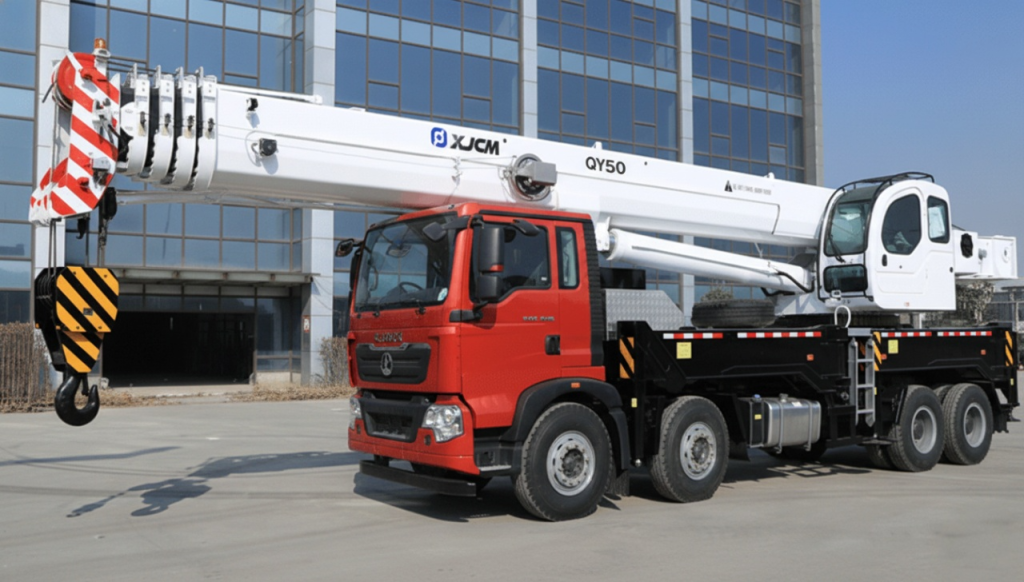
Gru su autocarro vs Gru per terreni accidentati e come scegliere quella giusta
Le gru su autocarro e le gru per terreni accidentati soddisfano diverse esigenze di cantiere. Questo articolo confronta i due tipi di gru in base a mobilità, requisiti di trasporto, condizioni del terreno, controllo dello sterzo e schemi di lavoro tipici, aiutando gli acquirenti a scegliere la gru giusta per i vincoli reali del sito, piuttosto che basarsi solo sulle specifiche.
Leggi di Più