Le gru mobili vengono spedite a livello internazionale utilizzando uno dei due metodi principali: navi RoRo (Roll-on/Roll-off) per le gru che possono essere guidate a bordo intatte, o spedizione su flat-rack/container per unità più grandi che richiedono uno smontaggio parziale. La scelta dipende dalle dimensioni della gru, dall'infrastruttura portuale a entrambe le estremità e da quanto l'acquirente vuole spendere per l'imballaggio rispetto alla manodopera di riassemblaggio. Per una gru su autocarro da 25 tonnellate, ciò potrebbe significare guidarla direttamente su una nave RoRo; per una gru per terreni accidentati da 160 tonnellate, significa quasi sempre rimuovere il braccio, i contrappesi e talvolta gli stabilizzatori prima che arrivi in un piazzale container.
RoRo vs. Spedizione in container: quale si adatta davvero alla tua gru
Ecco l'errore che molti importatori alle prime armi commettono: assumono che la spedizione in container sia sempre più economica. Non è vero — non una volta considerati l'imballaggio, il noleggio della gru per il carico e la manodopera per smontare e riassemblare. La spedizione RoRo, dove la gru viene letteralmente guidata su una rampa sulla nave e fissata con catene, è spesso l'opzione più economica e veloce per qualsiasi cosa che possa muoversi con la propria forza e rientri nei limiti di altezza del ponte.
Il problema è che RoRo funziona solo se sia il porto di origine che quello di destinazione hanno terminali RoRo. Non tutti i porti li hanno. I porti in alcune parti dell'Africa occidentale o nei paesi CIS senza sbocco sul mare raggiunti tramite un porto secondario spesso mancano di questa infrastruttura, il che spinge la spedizione verso flat-rack o container per impostazione predefinita — indipendentemente da ciò che l'acquirente preferirebbe.
Quando vince il flat-rack
I flat-rack hanno senso per gru oltre circa 60-80 tonnellate, dove i limiti di peso sul ponte delle navi RoRo diventano un vincolo reale, o dove il porto di destinazione semplicemente non è attrezzato per carichi guidati. Una gru per terreni accidentati da 160 tonnellate non viaggia quasi mai completamente assemblata — è troppo alta, troppo pesante e troppo larga per le rampe RoRo standard e le corsie del ponte.
Cosa viene effettivamente smontato prima della spedizione
La maggior parte degli acquirenti immagina l'intera gru smontata. In realtà, solo componenti specifici vengono rimossi — abbastanza per rientrare nei limiti dell'involucro di spedizione, non uno smontaggio completo. L'elenco tipico di smontaggio per una gru più grande per terreni accidentati o su autocarro include:
- Sezioni del braccio (se il braccio telescopico supera i limiti di altezza/lunghezza)
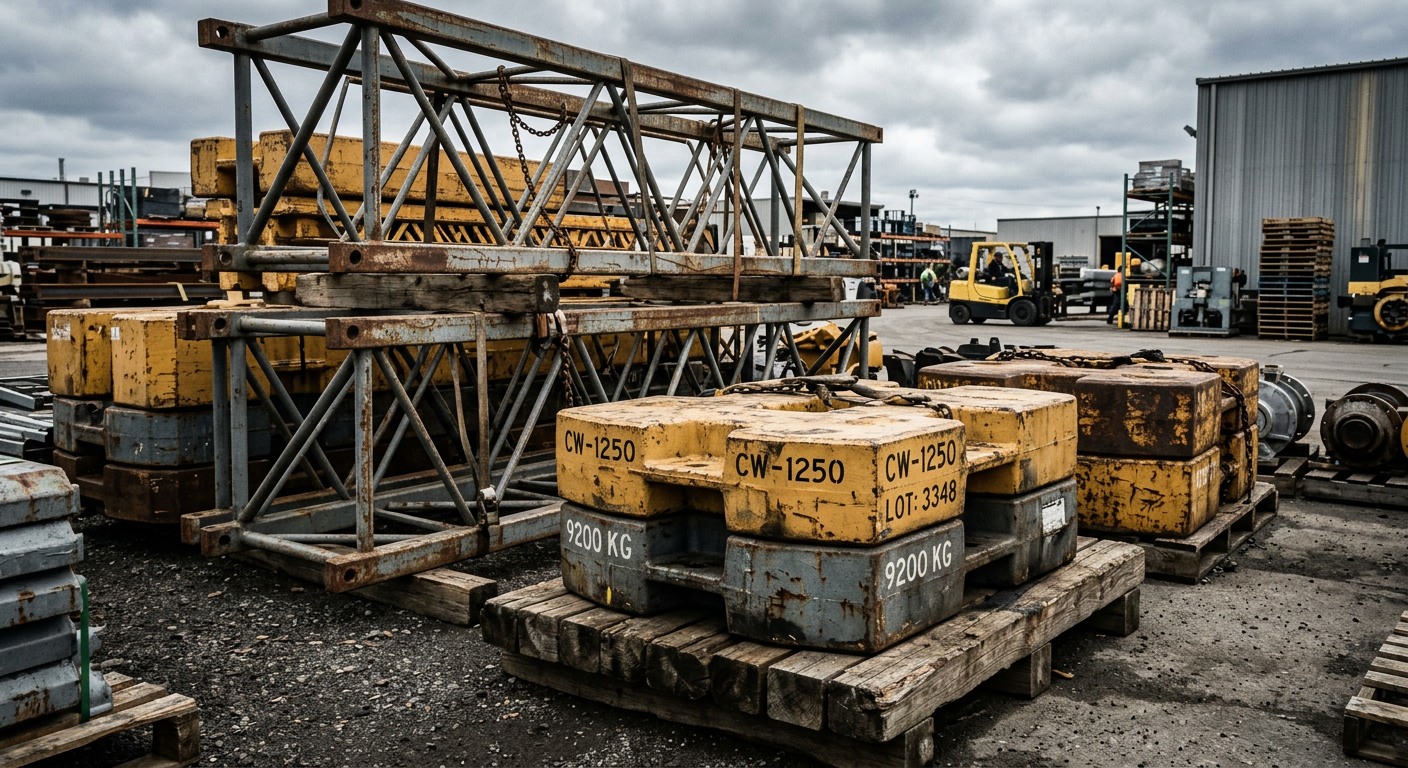
- Contrappesi, rimossi e spediti separatamente per ridurre il peso sul ponte
- Travi degli stabilizzatori, se si estendono oltre la larghezza di trasporto del veicolo
- Blocchi del gancio e accessori di rigging, imballati separatamente per prevenire danni
La struttura portante, la cabina, il motore e il telaio rimangono quasi sempre assemblati — smontarli aggiunge un enorme rischio di riassemblaggio e costi per un beneficio di spedizione molto scarso. Un buon produttore ti dirà in anticipo esattamente cosa verrà rimosso e ti darà una checklist di riassemblaggio prima ancora che la gru lasci la fabbrica.
Un esempio reale
Ad esempio, un distributore che spedisce una gru per terreni accidentati da 75 tonnellate a un porto in Medio Oriente tipicamente vede i contrappesi e le estensioni degli stabilizzatori rimossi e imballati su slitte di legno, mentre il braccio rimane retratto ma attaccato. Questa singola decisione — mantenere il braccio attaccato piuttosto che sezionarlo — può risparmiare un'intera giornata di manodopera di riassemblaggio a destinazione.
Documentazione che può fare o distruggere la tempistica
La documentazione mancante causa più ritardi di spedizione di quanto facciano i problemi meccanici. Le trattenute doganali al porto di destinazione possono lasciare una gru in un piazzale per settimane — e le spese di sosta si accumulano rapidamente, spesso $50-150 al giorno a seconda del porto.
I documenti principali di cui ogni spedizione di gru ha bisogno:
- Fattura commerciale e lista di imballaggio che corrispondono esattamente alla polizza di carico
- Certificato di origine (critico per gli acquirenti che richiedono aliquote tariffarie preferenziali)
- Certificati CE, ISO o di conformità pertinenti a seconda dei requisiti del mercato di destinazione
- Certificati di peso e dimensioni per ogni componente imballato: i funzionari doganali segnaleranno immediatamente qualsiasi discrepanza
Gli acquirenti che importano in mercati con standard rigorosi di emissioni o sicurezza dovrebbero confermare i requisiti di certificazione prima ancora che la gru venga costruita, non dopo che è in mare. Rielaborare la documentazione dopo la spedizione è una corsa che nessuno vuole.
Gestione portuale e consegna interna: la parte che gli acquirenti sottovalutano
Scaricare la gru dalla nave è solo metà del lavoro. La consegna interna dal porto al cantiere spesso costa più di quanto si preveda, soprattutto in regioni con infrastrutture di trasporto pesante limitate.
Riassemblaggio al porto o nel piazzale
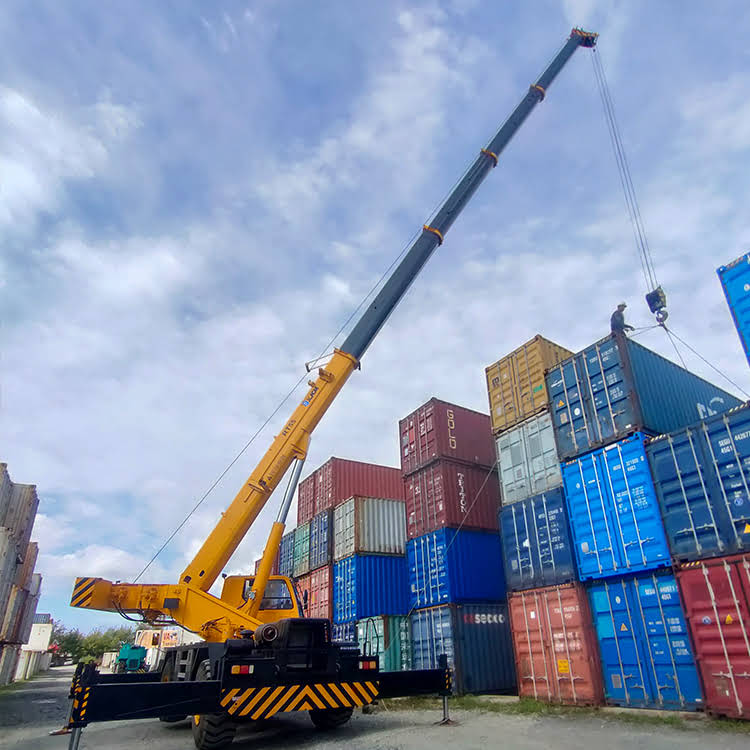
Il rimontaggio avviene tipicamente in un piazzale doganale vicino al porto piuttosto che nel cantiere finale, poiché richiede il supporto di una gru (spesso una gru mobile più piccola) per sollevare i tratti di braccio e i contrappesi in posizione. Prevedere da uno a tre giorni per il rimontaggio di una gru RT di medie dimensioni, più a lungo per unità più grandi o per quelle spedite con braccio completamente sezionato.
Trasporto verso l'interno
Una volta rimontata, la gru di solito si sposta da sola al cantiere se le condizioni stradali lo consentono: questo è un vantaggio che le gru fuoristrada e le gru su autocarro hanno rispetto alle gru cingolate, che necessitano di rimorchi a pianale ribassato per ogni miglio. Ma gli acquirenti che trasferiscono attrezzature in aree remote, simili alle sfide del terreno trattate nel nostro articolo su progetti di posa di condotte in terreni remoti, dovrebbero considerare i limiti di peso dei ponti e l'accesso su strade non asfaltate prima di presumere che la gru possa percorrere da sola l'intera distanza.
Considerazioni speciali per le gru a torre auto-erigenti
Le gru a torre auto-erigenti vengono spedite in modo diverso rispetto alle gru su autocarro o RT perché sono progettate per ripiegarsi in un ingombro di trasporto compatto per natura. Questo è in realtà il loro più grande vantaggio di spedizione: una gru auto-erigente della classe da 1-4 tonnellate viene spesso spedita come un'unica unità ripiegata su un contenitore flat-rack standard, senza alcuna necessità di sezionare il braccio.
Questo è particolarmente importante per gli acquirenti che realizzano progetti con gru a torre auto-erigenti nei mercati edilizi urbani, dove la gru deve arrivare pronta per essere spiegata e iniziare a lavorare in poche ore piuttosto che in giorni. Confrontatelo con una gru RT da 100 tonnellate che necessita di un'intera squadra di rimontaggio, ed è facile capire perché le unità auto-erigenti sono popolari per gli appaltatori più piccoli senza supporto di sollevamento pesante in standby.
Fattori di costo che gli acquirenti sbagliano costantemente
I preventivi di trasporto non raccontano quasi mai l'intera storia. Le voci che gli acquirenti dimenticano di mettere a budget:
- Noleggio gru per carico/scarico in entrambi i porti: non è incluso nelle tariffe di trasporto marittimo
- Assicurazione che copra l'intero valore di sostituzione, non solo il valore dichiarato del carico, poiché le richieste di risarcimento per danni alle gru vengono costantemente contestate sulla valutazione
- Sosta e stoccaggio se lo sdoganamento supera il periodo gratuito (di solito 5-7 giorni)
- Manodopera di rimontaggio ed eventuali attrezzi speciali di cui la gru necessita e che non sono standard nel piazzale di destinazione
Una regola pratica approssimativa: prevedere un budget aggiuntivo dell'8-15% oltre al preventivo di trasporto marittimo di base per coprire questi costi di movimentazione. Gli acquirenti che saltano questo passaggio spesso vengono colti di sorpresa quando arriva la fattura finale dal loro spedizioniere.
Lavorare con un produttore che comprende la logistica di esportazione
Non tutte le fabbriche di gru spediscono a livello internazionale con regolarità, e questo si nota. Un produttore che ha esportato in oltre 40 paesi ha già risolto il puzzle di smontaggio, imballaggio e documentazione per la maggior parte dei porti di destinazione principali, il che significa meno sorprese per l'acquirente.
Questo è particolarmente importante per gli acquirenti che confrontano gru su autocarro in vendita or gru mobili fuoristrada da 70 tonnellate di più fornitori. Chiedete specificamente: questa fabbrica ha già spedito nella mia regione? Qual è il pacchetto di smontaggio standard? Chi fornisce la supervisione del rimontaggio a destinazione? Se le risposte sono vaghe, è una bandiera rossa da prendere seriamente prima di firmare un contratto.


