-
 30okt
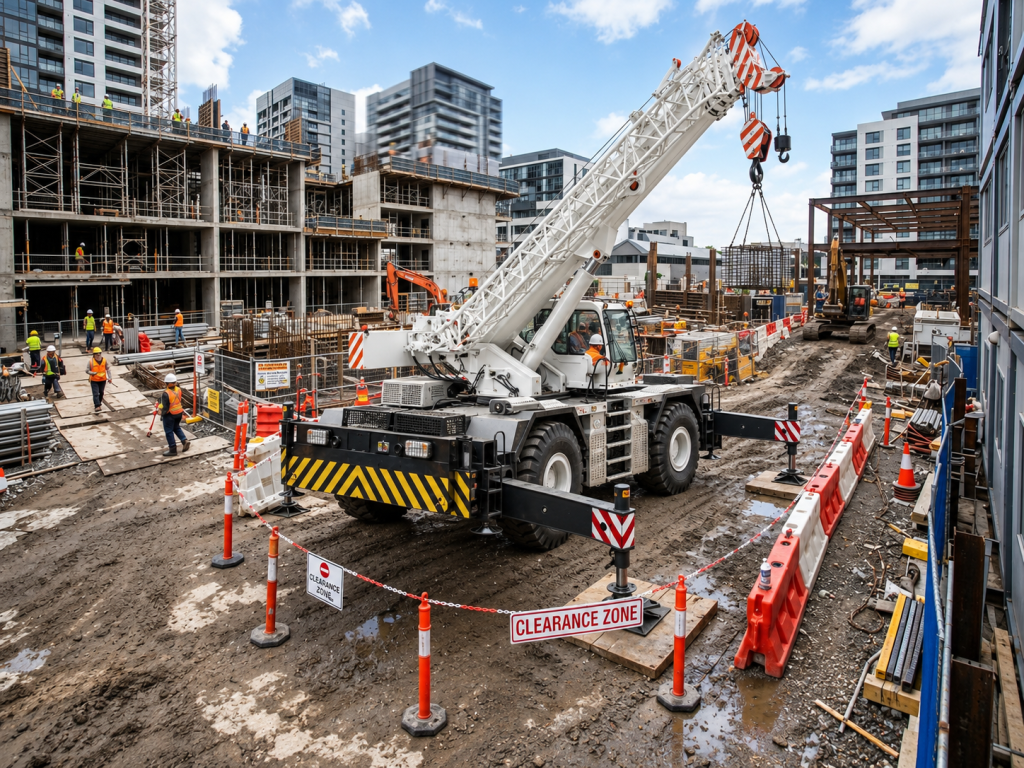
Crane Tail Swing: Planning Clearance on Tight Jobsites
Tail swing isn't boom reach, and confusing the two is how counterweights clip scaffolding, walls, and workers. Here's how tail swing radius actually changes by crane type and configuration, plus the exact questions to put to a manufacturer before specifying equipment for a tight site.
Lees meer -
 22okt
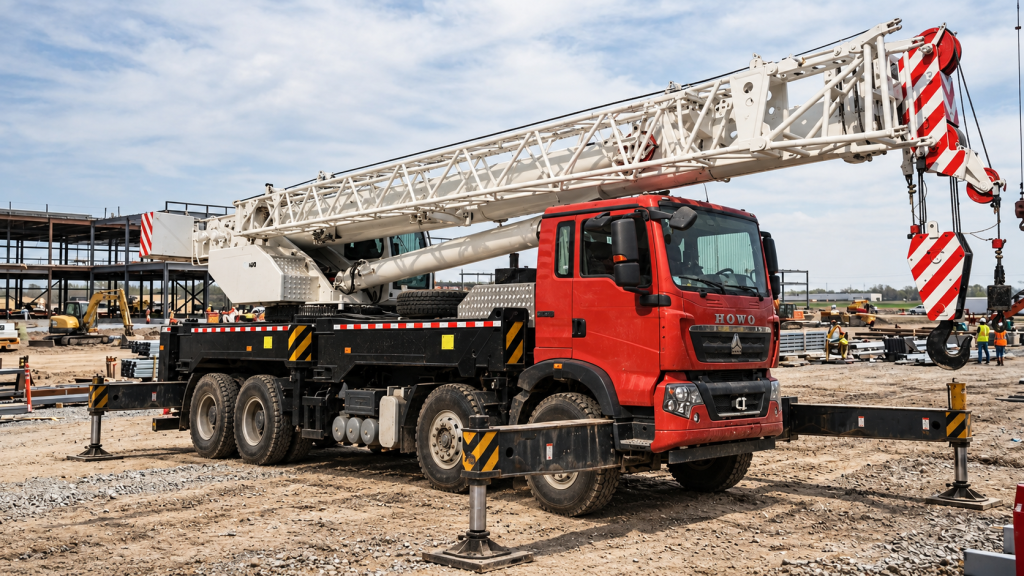
Main Hoist vs Auxiliary Hoist on Mobile Cranes: Key Differences
Two drums, two jobs: the main hoist handles heavy capacity lifts while the auxiliary hoist moves faster for reach and jib work. Here's how line pull, reeving, and load charts actually change between the two, and what to specify when ordering a crane with both.
Lees meer -
 16okt
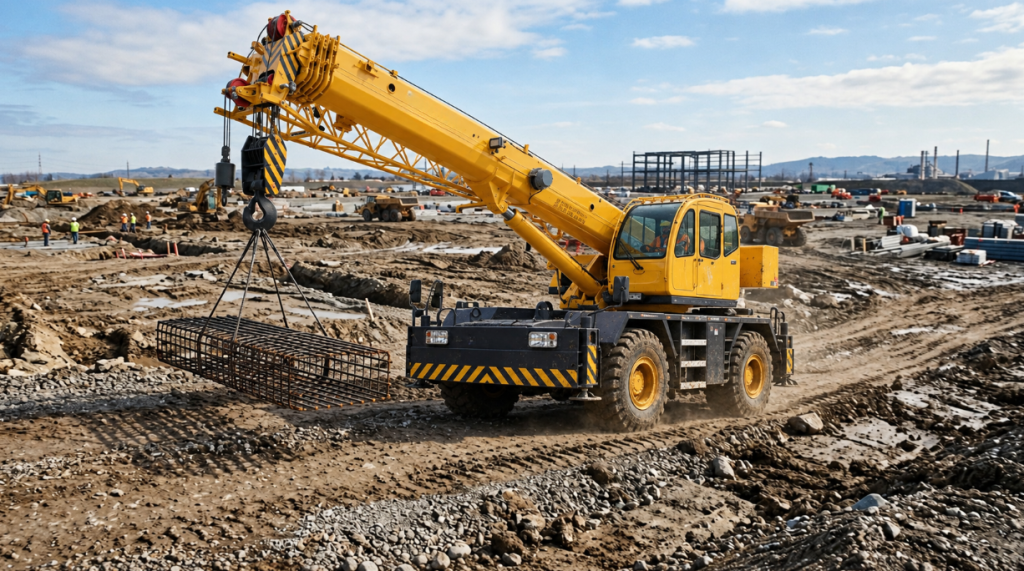
Ruw terrein kraan Pick-and-Carry: What Buyers Should Check
A rough terrain crane can absolutely pick and carry a load, but the number on the badge isn't the number that matters. This guide breaks down how pick-and-carry load charts work, what ground and slope limits mean in practice, and how to size a crane for the move, not just the lift.
Lees meer -
 08okt
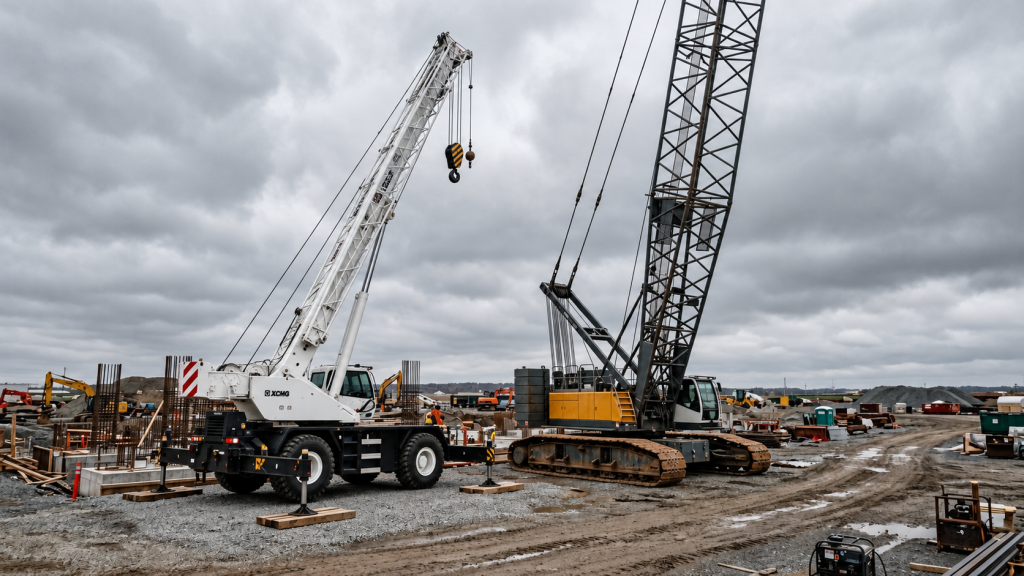
Ruw terrein kraan vs Crawler Crane: How to Choose
Choosing between a rough terrain crane and a crawler crane isn't about which one lifts more on paper, it's about ground conditions, how often you reposition, and how the machine gets to site. This guide breaks down the real decision factors, from outrigger soil pressure to export logistics, so you don't find out the hard way which crane was wrong for your jobsite.
Lees meer -
 30Sep
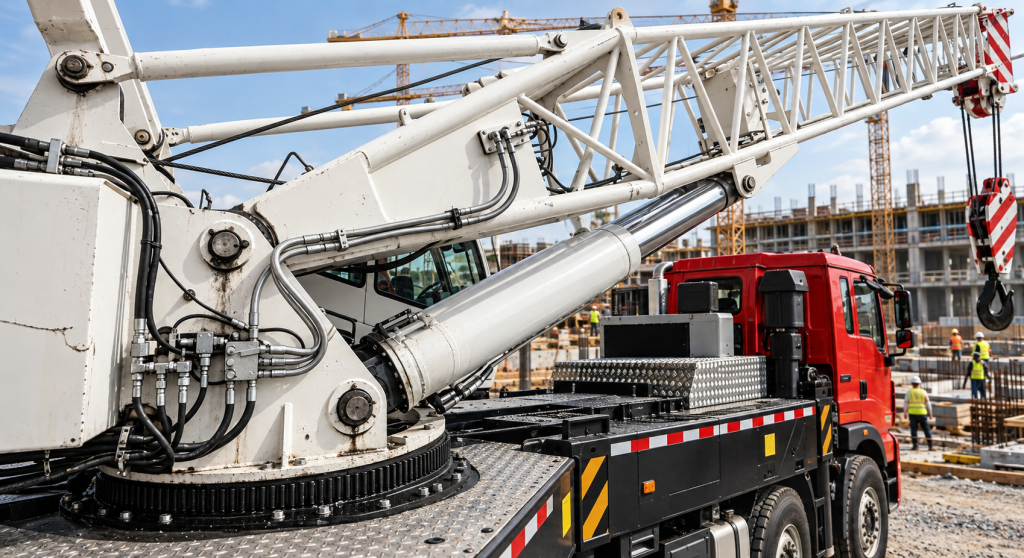
Mobile Crane Hydraulic Systems: Main Components and Daily Inspection Points
A mobile crane's hydraulic system is the muscle behind every lift — and most breakdowns trace back to skipped daily checks, not bad design. Here's what actually powers the boom, outriggers, and winch, and the five-minute inspection routine that catches problems before they become downtime.
Lees meer -
 30Sep
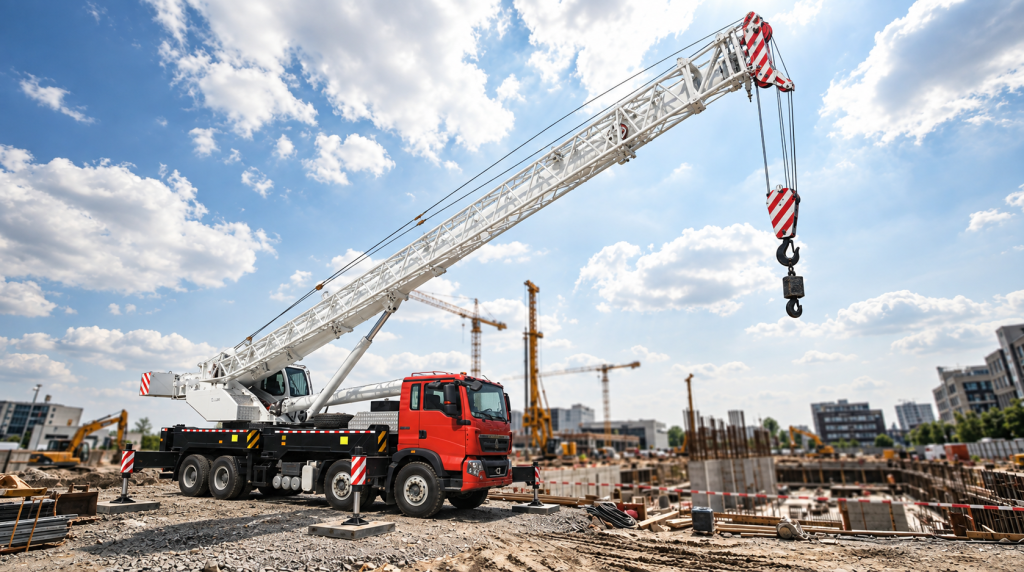
Fixed Jib vs Luffing Jib on Mobile Cranes: Reach, Angle, and Working Range
Fixed jibs and luffing jibs solve the same problem — extra reach without a longer main boom — but they behave very differently once you're mid-lift. Here's how each one affects your working range, load chart, and job site flexibility, with real numbers to back it up.
Lees meer -
 11Sep
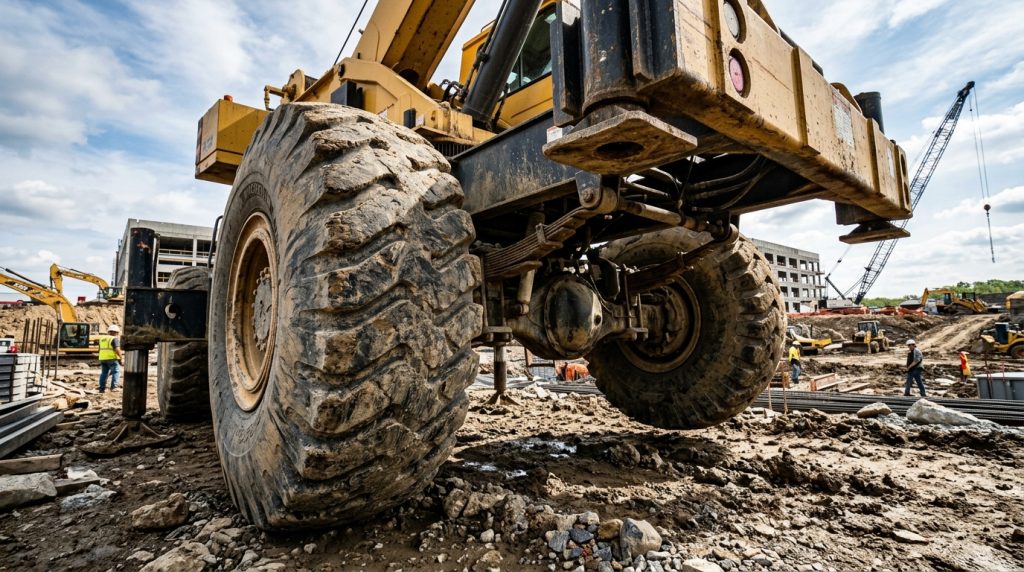
Ruw terrein kraan Tires: Tread, Inflation, Load, and Jobsite Conditions
Wrong tire pressure or the wrong tread pattern can quietly cripple a rough terrain crane's stability and lifting capacity. Here's how tread design, inflation numbers, load ratings, and ground conditions actually interact — and what happens when you get them wrong.
Lees meer -
 03Sep
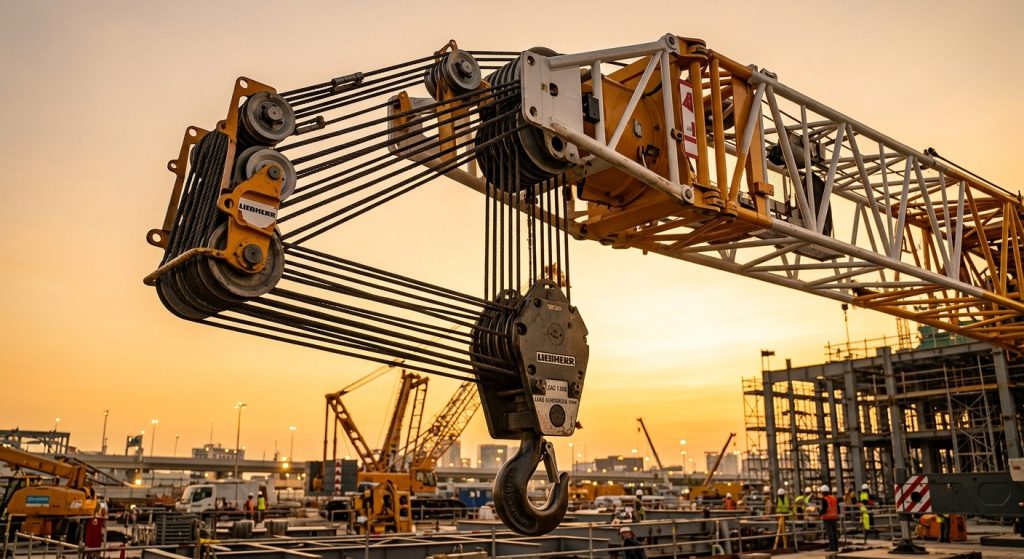
Crane Wire Rope Reeving Explained: Parts of Line, Hook Blocks, and Lifting Capacity
More parts of line means more lifting capacity — but also slower hoisting and more rope to inspect. This guide breaks down how reeving configurations actually work, why your hook block matters as much as your winch, and how to read a load chart the way a rigger does.
Lees meer -
 31aug
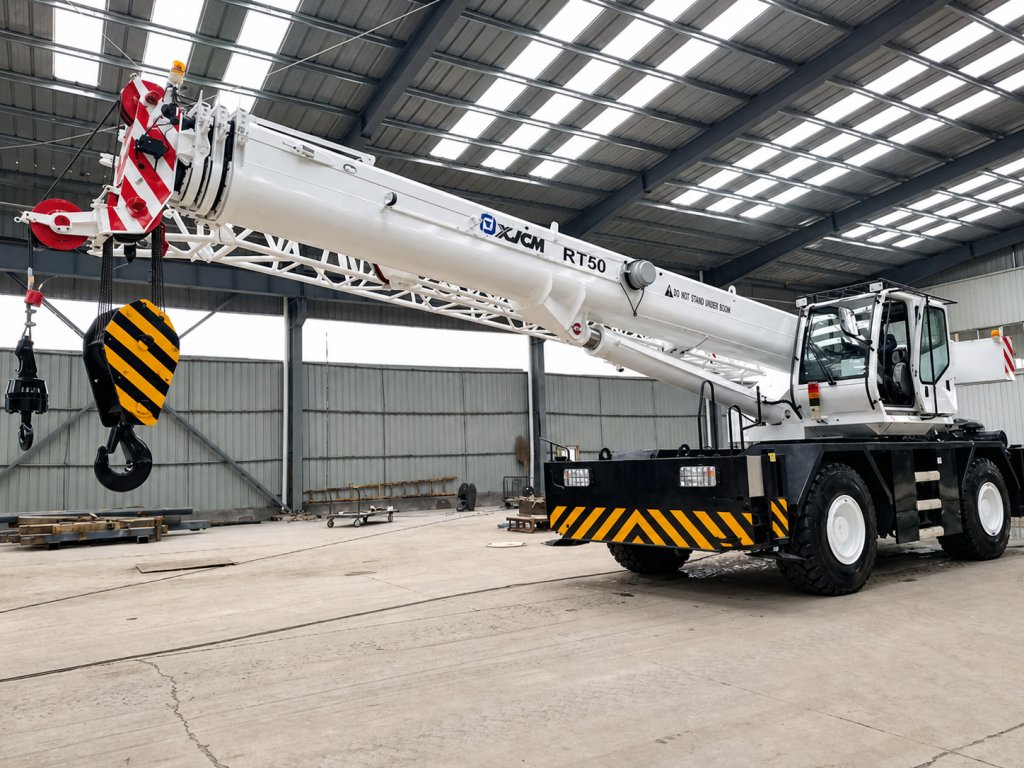
Mobile Crane Outrigger Setup: Extension Positions, Ground Support, and Leveling Checks
A crane's lift chart is only as good as its outrigger setup. Here's how extension position, ground bearing pressure, and leveling tolerance actually determine how much load you can safely swing — and why so many capacity complaints trace back to a rigging step, not the machine.
Lees meer -
 21aug
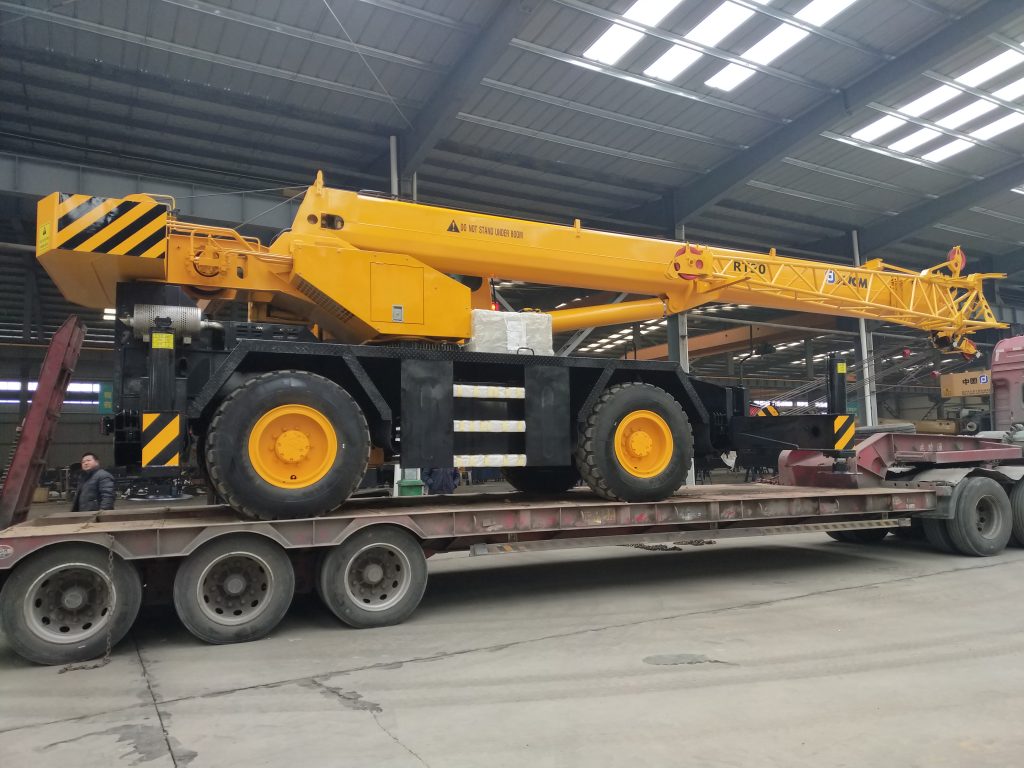
Crane Counterweight Configurations: How Counterweight, Working Radius, and Boom Length Work Together
Counterweight isn't just dead weight bolted to the back of a crane — it's the variable that decides how far you can reach and how much you can lift. Here's exactly how counterweight, working radius, and boom length interact, and why getting the configuration wrong costs you capacity you paid for.
Lees meer -
 06aug
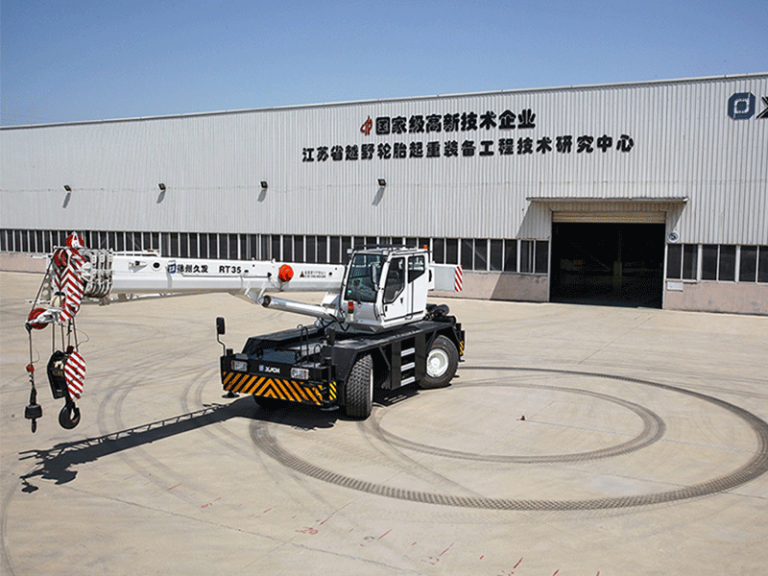
Telescopic Crane Boom Inspection: Wear Pads, Pins, Wire Ropes, and Hydraulic Cylinders
Most boom failures don't happen suddenly — they announce themselves for weeks through worn pads, sloppy pins, frayed wire, and weeping cylinders. This guide breaks down exactly what to check, how often, and what the numbers should tell you before a small problem becomes a crane down for a month.
Lees meer -
 01aug
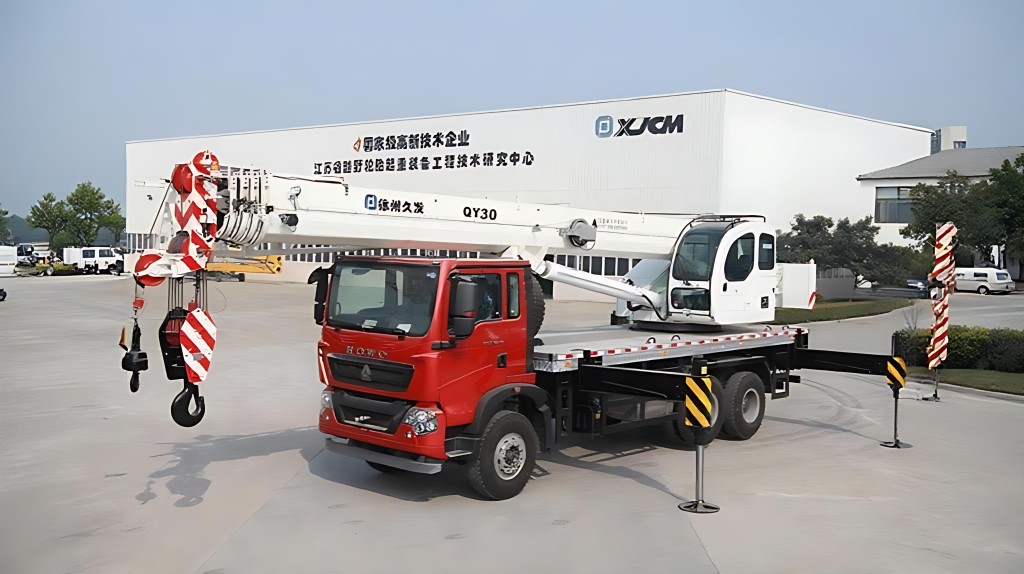
Mobile Crane Safety Systems Explained: LMI, Anti-Two-Block, Overload Protection, and Limit Switches
LMI, anti-two-block, overload protection, and limit switches aren't interchangeable buzzwords — each one catches a different failure mode before it becomes a tip-over or a snapped hoist line. Here's what each system actually does, how they work together, and what to check before you sign off on a crane.
Lees meer -
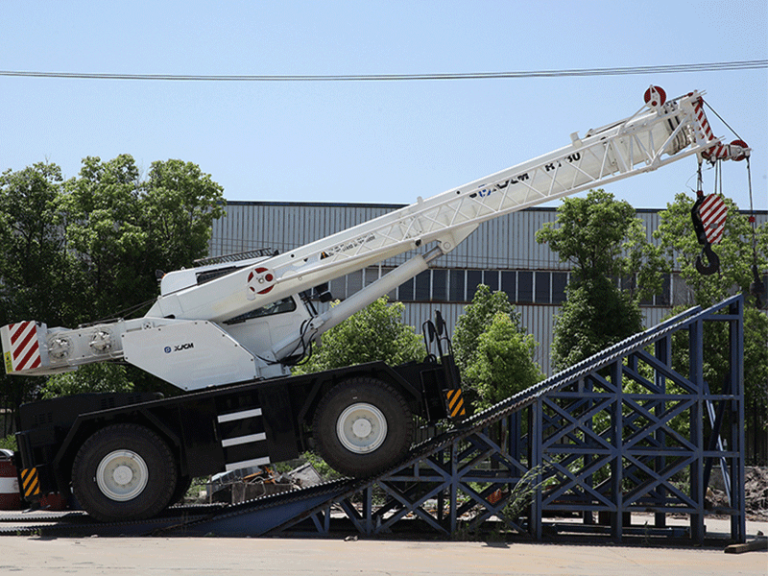 24jul
Crane Factory Acceptance Test Checklist: What Buyers Should Inspect Before Delivery
A factory acceptance test isn't a formality — it's your last chance to catch problems before a crane ships halfway around the world. Here's the exact checklist procurement teams and fleet managers should run through before signing off.
Lees meer -
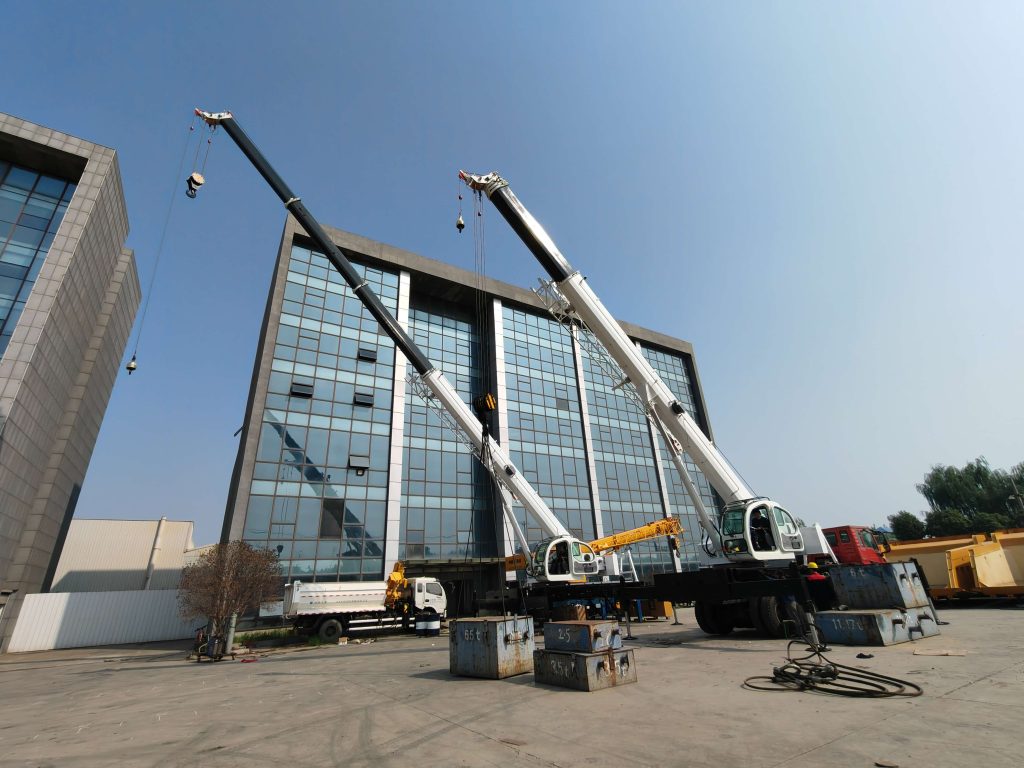 18jul
Ruw terrein kraan vs All Terrain Crane: Key Differences and How to Choose
Rough terrain and all terrain cranes look similar on paper but perform very differently once they hit real jobsites. This guide breaks down chassis design, tire configuration, road speed, and lifting capacity so you can pick the right machine instead of guessing.
Lees meer -
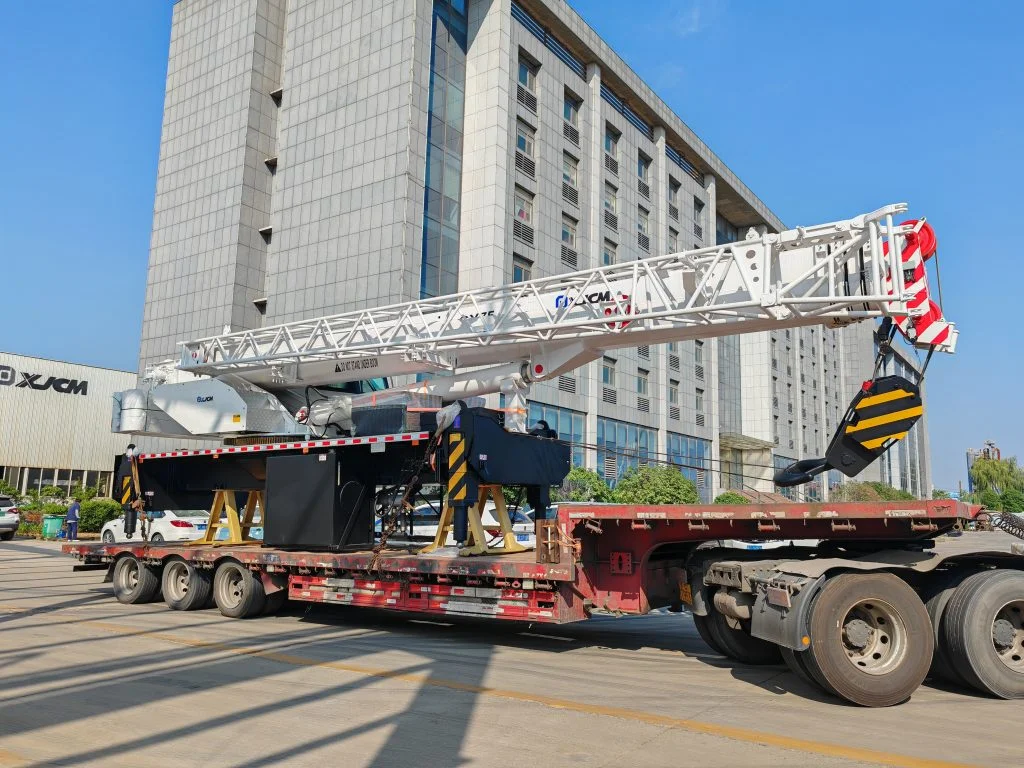 14jul
How Are Mobile Cranes Shipped Internationally? Transport, Disassembly and Delivery Guide
Shipping a mobile crane across an ocean isn't as simple as driving it onto a boat — most units get partially disassembled, crated, and reassembled at the port of arrival. Here's exactly how the process works, what it costs, and how to avoid the delays that trip up first-time importers.
Lees meer -
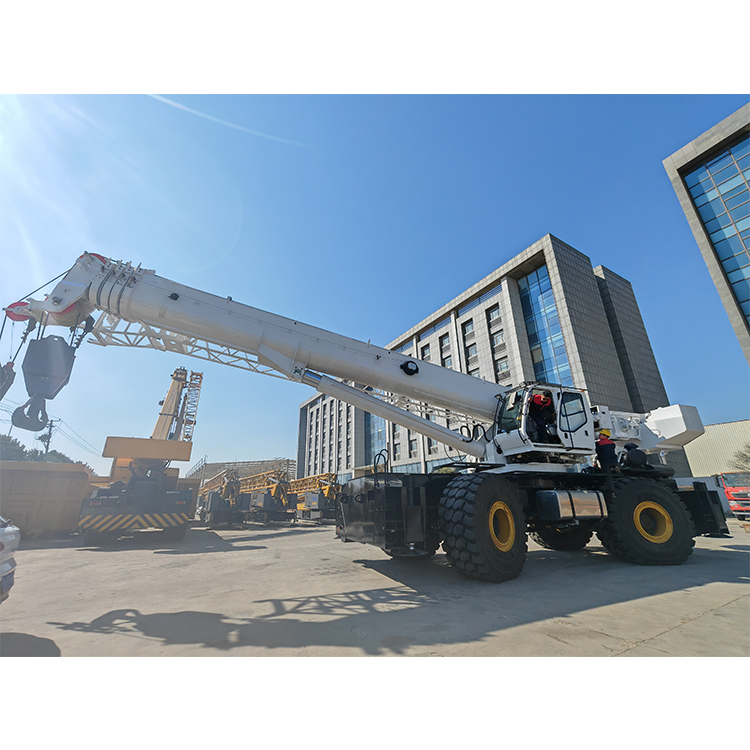 06jul
How Duty Cycle Affects Crane Selection: Lift Frequency, Load and Working Hours Explained
Buying a crane based on max tonnage alone is how fleets end up with fatigue cracks and blown warranties. Here's how lift frequency, load spectrum, and daily working hours should actually drive your crane selection.
Lees meer -
 29jun
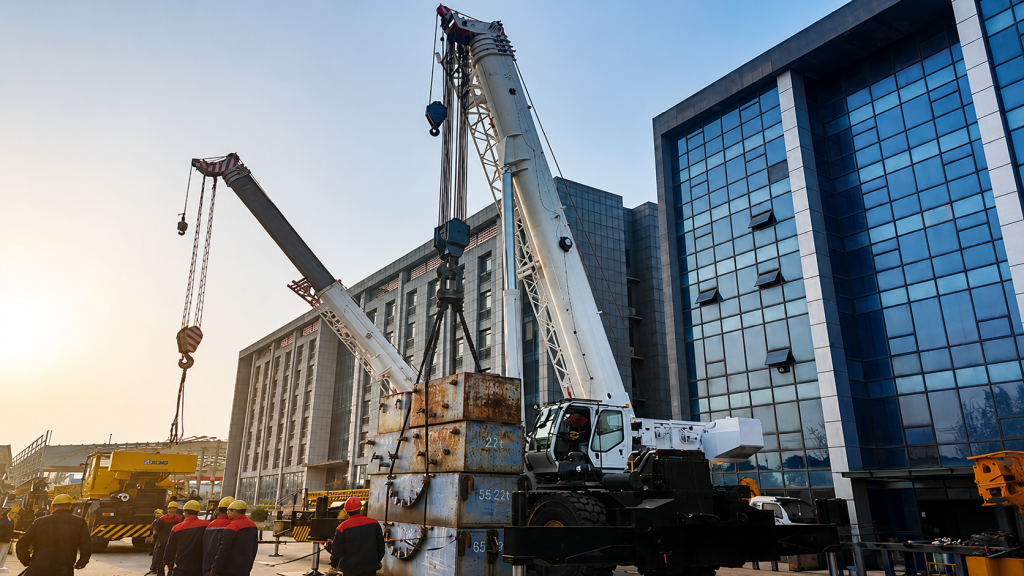
Pijplegprojecten in afgelegen terrein: waarom de kraankeuze het schema maakt of breekt
Bij afgelegen pijplegprojecten staat of valt het schema met de keuze van de kraan. Kies een machine die de helling, de bodem of de pijpdiameter niet aankan, en elke volgende taak loopt vertraging op. Hier leest u hoe u het kraantype, het tonnage en de configuratie afstemt op de realiteit van het terrein.
Lees meer -
 26jun
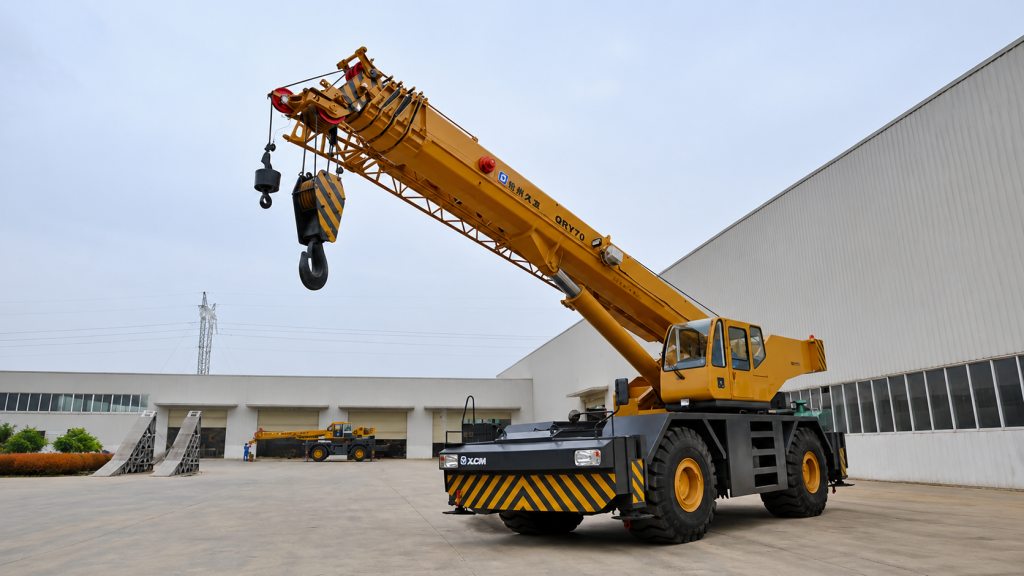
Binnenin een 100-tons terreinkraan: hoe het giekontwerp de werkelijke hefprestaties beïnvloedt
De giek is de grootste variabele in de werkelijke hefprestaties van een 100-tons terreinkraan. We analyseren het aantal secties, het profiel, de telescoopmechanica en het luffing-gedrag — en waarom twee kranen met dezelfde nominale capaciteit op de bouwplaats heel verschillend kunnen presteren.
Lees meer -
 24jun
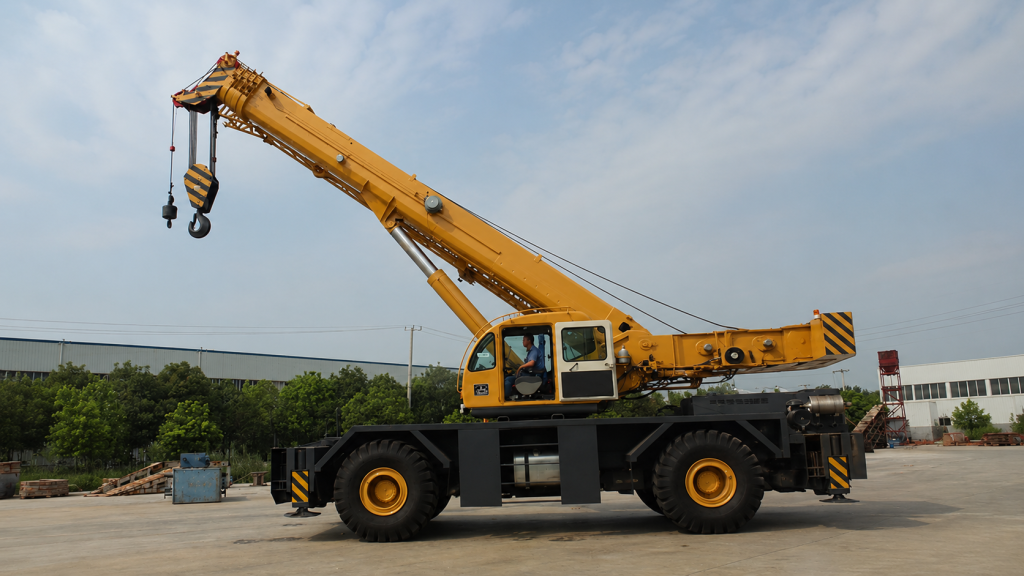
Waarom uw geïmporteerde kraan steeds kapot gaat in warme klimaten (en hoe u dit kunt stoppen)
Geïmporteerde kranen falen in warme klimaten omdat hun hydrauliek, elektronica en afdichtingen nooit zijn gespecificeerd voor bedrijf bij 50°C. Hier is precies wat oververhit raakt, waarom het gebeurt en hoe u een kraan kunt specificeren of aanpassen die overleeft op bouwplaatsen in het Midden-Oosten, Afrika en Zuidoost-Azië.
Lees meer -
 12jun
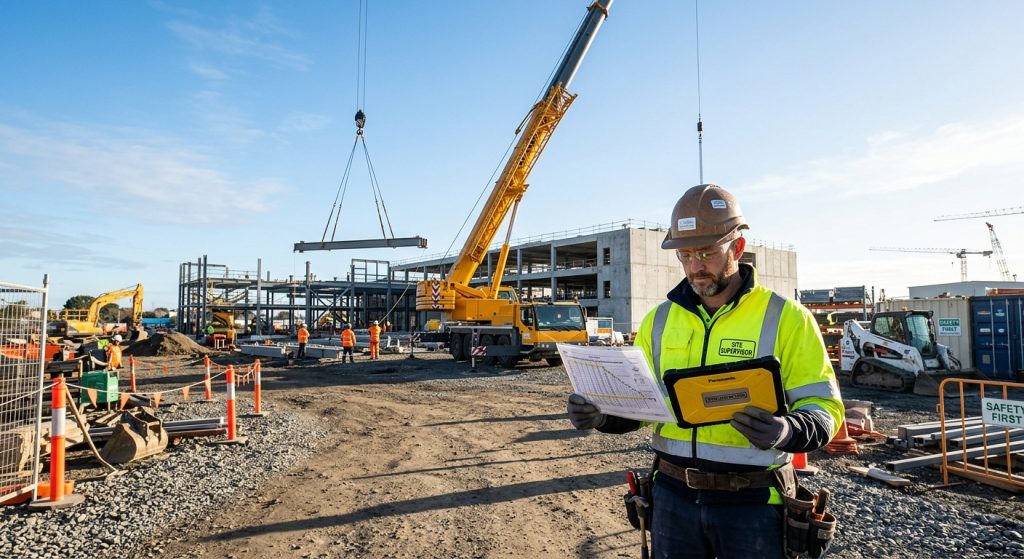
Hoe kiest u het juiste kraantonnage voor uw project (zonder te veel te betalen)
Het kopen van een kraan die twee maten groter is dan nodig, is de duurste fout in zwaar hijswerk. Hier leest u hoe u het tonnage afstemt op uw werkelijke klus — lastdiagram, radius, terrein en duty cycle — zodat u betaalt voor capaciteit die u gebruikt, niet voor capaciteit die stilstaat.
Lees meer