-
 30Sep
Mobile Crane Hydraulic Systems: Main Components and Daily Inspection Points
A mobile crane's hydraulic system is the muscle behind every lift — and most breakdowns trace back to skipped daily checks, not bad design. Here's what actually powers the boom, outriggers, and winch, and the five-minute inspection routine that catches problems before they become downtime.
Lees meer -
30Sep
Fixed Jib vs Luffing Jib on Mobile Cranes: Reach, Angle, and Working Range
Fixed jibs and luffing jibs solve the same problem — extra reach without a longer main boom — but they behave very differently once you're mid-lift. Here's how each one affects your working range, load chart, and job site flexibility, with real numbers to back it up.
Lees meer -
11Sep
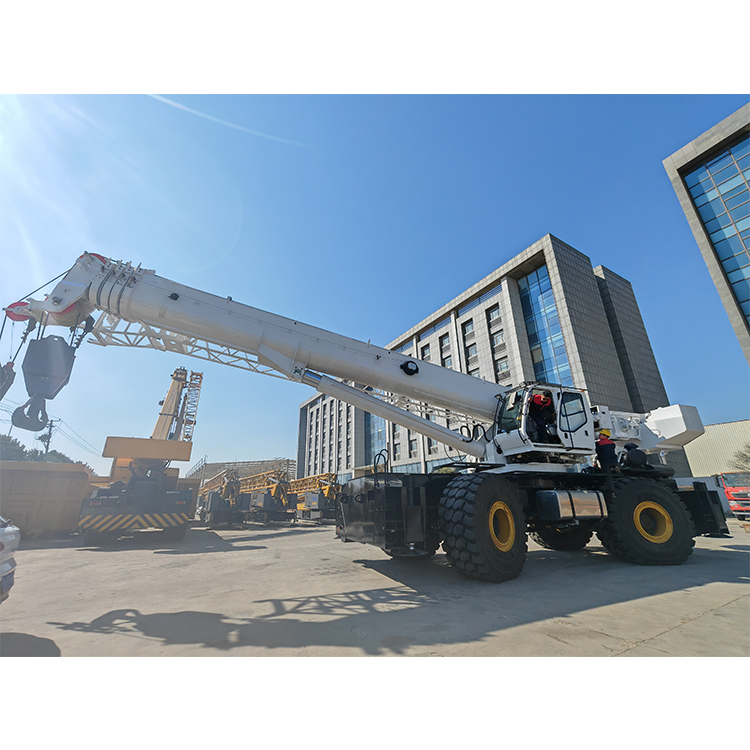
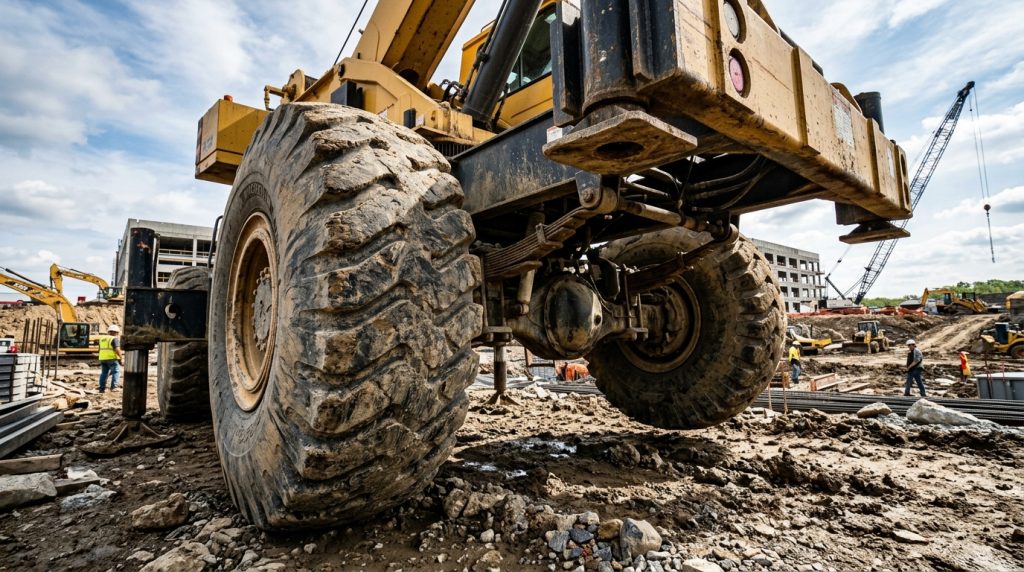
Ruw terrein kraan Tires: Tread, Inflation, Load, and Jobsite Conditions
Wrong tire pressure or the wrong tread pattern can quietly cripple a rough terrain crane's stability and lifting capacity. Here's how tread design, inflation numbers, load ratings, and ground conditions actually interact — and what happens when you get them wrong.
Lees meer -
03Sep
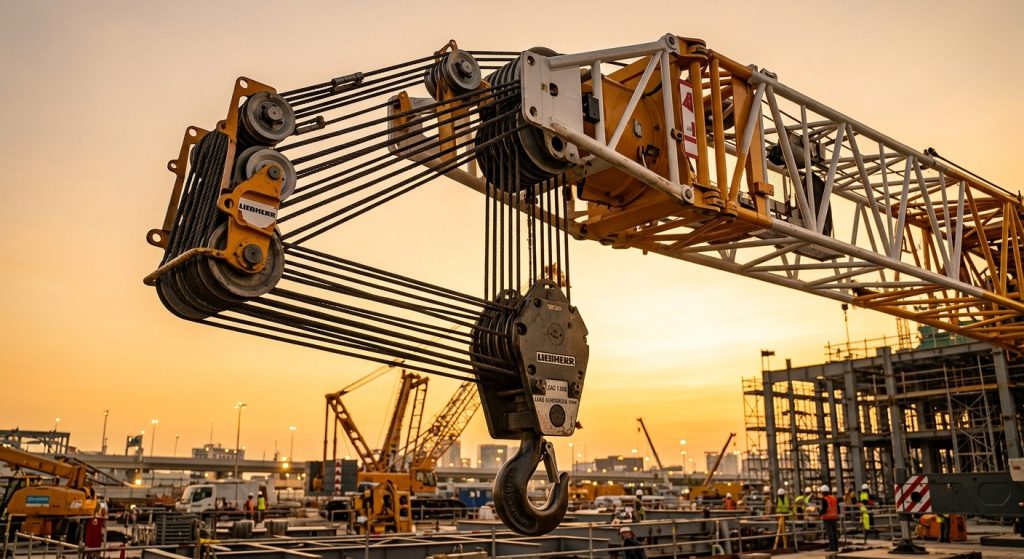
Crane Wire Rope Reeving Explained: Parts of Line, Hook Blocks, and Lifting Capacity
More parts of line means more lifting capacity — but also slower hoisting and more rope to inspect. This guide breaks down how reeving configurations actually work, why your hook block matters as much as your winch, and how to read a load chart the way a rigger does.
Lees meer -
31Aug
Mobile Crane Outrigger Setup: Extension Positions, Ground Support, and Leveling Checks
A crane's lift chart is only as good as its outrigger setup. Here's how extension position, ground bearing pressure, and leveling tolerance actually determine how much load you can safely swing — and why so many capacity complaints trace back to a rigging step, not the machine.
Lees meer -
21Aug
Crane Counterweight Configurations: How Counterweight, Working Radius, and Boom Length Work Together
Counterweight isn't just dead weight bolted to the back of a crane — it's the variable that decides how far you can reach and how much you can lift. Here's exactly how counterweight, working radius, and boom length interact, and why getting the configuration wrong costs you capacity you paid for.
Lees meer -
06Aug
Telescopic Crane Boom Inspection: Wear Pads, Pins, Wire Ropes, and Hydraulic Cylinders
Most boom failures don't happen suddenly — they announce themselves for weeks through worn pads, sloppy pins, frayed wire, and weeping cylinders. This guide breaks down exactly what to check, how often, and what the numbers should tell you before a small problem becomes a crane down for a month.
Lees meer -
01Aug
Mobile Crane Safety Systems Explained: LMI, Anti-Two-Block, Overload Protection, and Limit Switches
LMI, anti-two-block, overload protection, and limit switches aren't interchangeable buzzwords — each one catches a different failure mode before it becomes a tip-over or a snapped hoist line. Here's what each system actually does, how they work together, and what to check before you sign off on a crane.
Lees meer -
24Jul
Crane Factory Acceptance Test Checklist: What Buyers Should Inspect Before Delivery
A factory acceptance test isn't a formality — it's your last chance to catch problems before a crane ships halfway around the world. Here's the exact checklist procurement teams and fleet managers should run through before signing off.
Lees meer -
18Jul
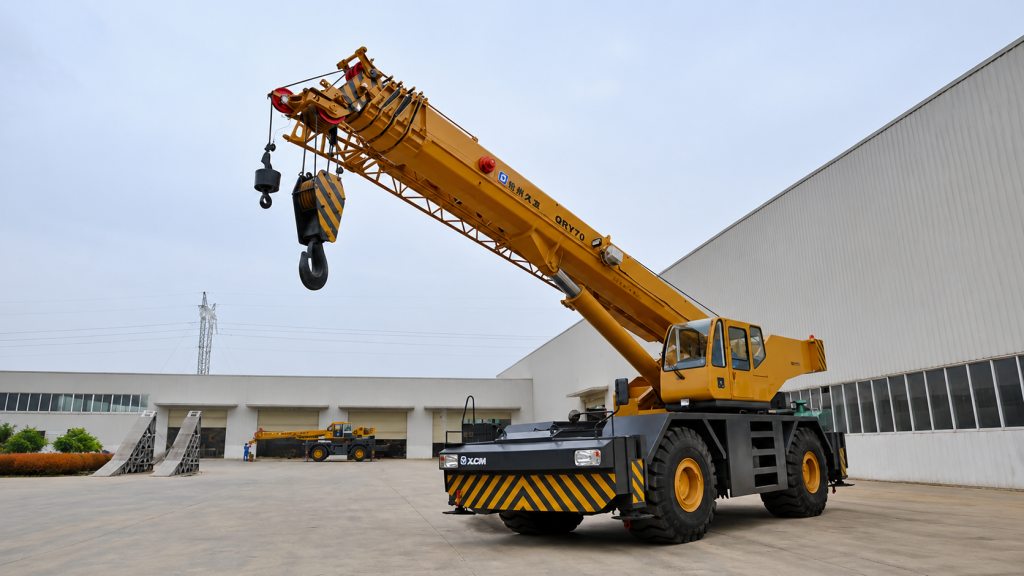
Ruw terrein kraan vs All Terrain Crane: Key Differences and How to Choose
Rough terrain and all terrain cranes look similar on paper but perform very differently once they hit real jobsites. This guide breaks down chassis design, tire configuration, road speed, and lifting capacity so you can pick the right machine instead of guessing.
Lees meer -
14Jul
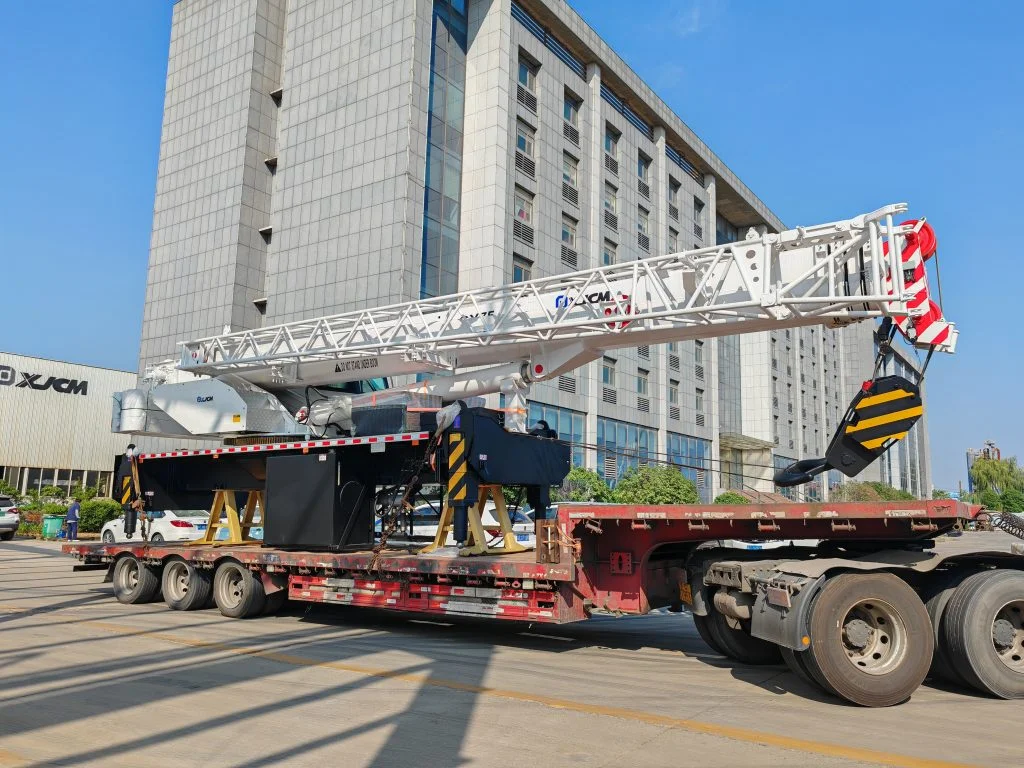
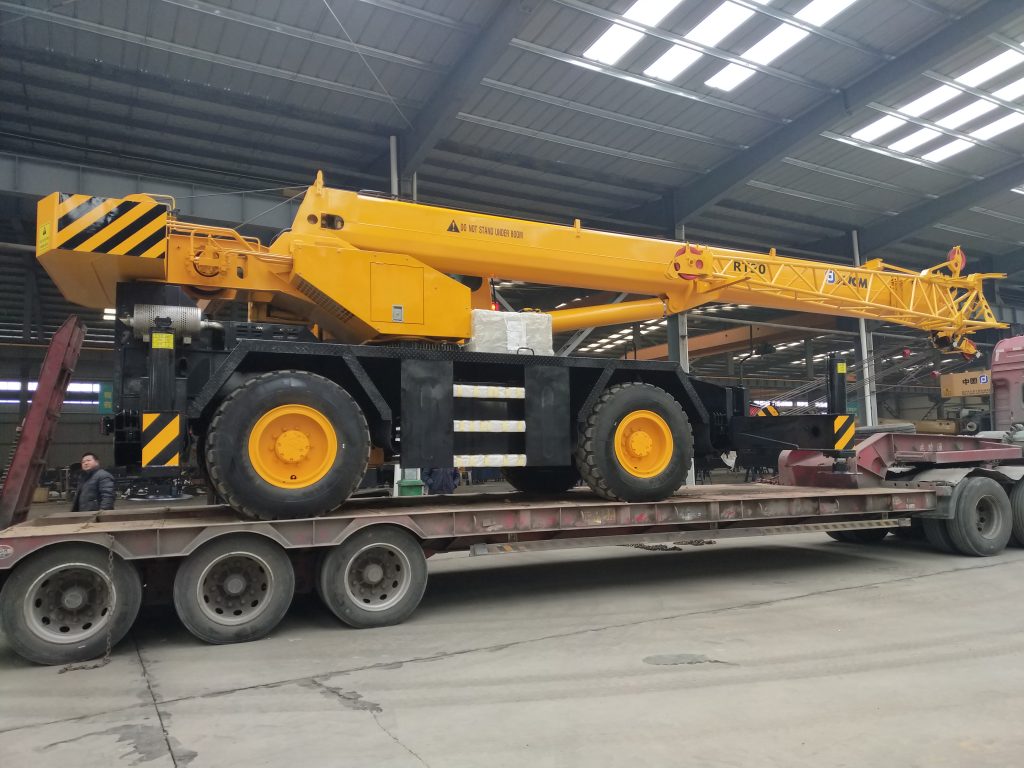
How Are Mobile Cranes Shipped Internationally? Transport, Disassembly and Delivery Guide
Shipping a mobile crane across an ocean isn't as simple as driving it onto a boat — most units get partially disassembled, crated, and reassembled at the port of arrival. Here's exactly how the process works, what it costs, and how to avoid the delays that trip up first-time importers.
Lees meer -
06Jul
How Duty Cycle Affects Crane Selection: Lift Frequency, Load and Working Hours Explained
Buying a crane based on max tonnage alone is how fleets end up with fatigue cracks and blown warranties. Here's how lift frequency, load spectrum, and daily working hours should actually drive your crane selection.
Lees meer -
29jun
Pijpleidingprojecten in afgelegen terrein: waarom de kraanselectie het schema maakt of breekt
De planning van pijpleidingen in afgelegen gebieden staat of valt met de keuze van de kraan. Kies een machine die de helling, de bodem of de pijpdiameter niet aankan, en elke volgende taak loopt vertraging op. Hier leest u hoe u het type kraan, het tonnage en de configuratie afstemt op de realiteit van het terrein.
Lees meer -
26jun
Binnenin een 100-tons terreinkraan: hoe het giekontwerp de werkelijke hijsprestaties beïnvloedt
De giek is de grootste variabele in de werkelijke hijsprestaties van een 100-tons terreinkraan. We analyseren het aantal secties, de profielgeometrie, de telescoopmechanica en het luffing-gedrag — en waarom twee kranen met dezelfde nominale capaciteit op de bouwplaats heel verschillend kunnen presteren.
Lees meer -
24jun
Waarom uw geïmporteerde kraan steeds kapot gaat in warme klimaten (en hoe u dit stopt)
Geïmporteerde kranen falen in warme klimaten omdat hun hydrauliek, elektronica en afdichtingen nooit zijn gespecificeerd voor bedrijf bij 50°C omgevingstemperatuur. Hier is precies wat oververhit raakt, waarom het gebeurt en hoe u een kraan specificeert of retrofitted die overleeft op bouwplaatsen in het Midden-Oosten, Afrika en Zuidoost-Azië.
Lees meer -
12jun
Hoe kiest u het juiste kraantonnage voor uw project (zonder te veel te betalen)
Een kraan kopen die twee maten groter is dan nodig, is de duurste fout in zwaar hijswerk. Hier leest u hoe u het tonnage afstemt op uw werkelijke klus — lastabel, radius, terrein en duty cycle — zodat u betaalt voor capaciteit die u gebruikt, niet voor capaciteit die stilstaat.
Lees meer -
09jun
Zelfoprichtende torenkranen voor kleinschalige stedelijke woningbouw: locatieplanning, kosten en installatie
Zelfoprichtende torenkranen maken snel hijswerk met een kleine voetafdruk mogelijk op krappe stedelijke bouwplaatsen — ze zijn doorgaans in 4–8 uur opgesteld, kosten 30–50% minder in gebruik dan mobiele kranen en passen op percelen van slechts 6×6 m. Hier leest u hoe u de locatie plant, de klus budgetteert en de kraan op dag één aan het werk krijgt.
Lees meer -
01jun
Hoe een kleine zelfoprichtende torenkraan wordt opgericht
Een praktische gids voor het oprichten van een kleine zelfoprichtende torenkraan, van positionering en het uitzetten van steunen tot hydraulische oprichting en veiligheidscontroles.
Lees meer -
01jun
5 verborgen kosten van het kopen van goedkope kranen — en hoe u ze kunt vermijden
Die koopjeskraan kan u uiteindelijk drie keer meer kosten dan u bespaarde. Van chronische stilstand en torenhoge onderhoudskosten tot veiligheidsrisico's en een kelderende restwaarde, hier zijn de vijf verborgen kosten die de meeste kopers te laat ontdekken — en praktische strategieën om ze allemaal te omzeilen.
Lees meer -
29apr
Vrachtwagenkraan versus terreinkraan en hoe u de juiste kiest
Vrachtwagenkranen en terreinkranen dienen verschillende behoeften op de bouwplaats. Dit artikel vergelijkt de twee kraantypen op basis van mobiliteit, transportvereisten, bodemgesteldheid, stuurcontrole en typische werkpatronen, en helpt kopers de juiste kraan te kiezen op basis van echte locatiebeperkingen in plaats van alleen specificaties.
Lees meer