For small-scale urban housing builds — think 2 to 6 story apartments, terraced housing, or villa clusters — a self-erecting tower crane is almost always the smartest choice. It rigs in under a day, runs on grid power, fits a 6×6 m corner of your site, and costs roughly 30–50% less per month to operate than calling out a mobile crane for repeat lifts. The trick is matching the crane to the plot, planning the slewing arc around neighbors, and getting the foundation right the first time.
Table of contents
cnxjcm
Why Self-Erecting Cranes Dominate Small Urban Housing Sites
Urban housing plots are mean. Narrow access roads, party walls just meters away, overhead utilities, and impatient neighbors. A traditional top-slewing tower crane needs a concrete foundation cured for 7–14 days before you can even start climbing it. A mobile crane needs a truck-sized footprint every time it shows up, and you pay per visit.
A self-erecting unit — like a 1 to 4 ton class machine — sits on outriggers or a small ballasted base, unfolds itself hydraulically, and is lifting bricks the same afternoon it arrived. For a developer building four townhouses on a tight infill lot, that is the difference between a 9-month schedule and a 14-month one. The speed of setup alone often justifies the rental over any alternative.
And because the operator runs the crane via remote control from the ground, you don’t need a climbable mast access or a cab operator certified for elevated work — useful when local labor is thin.
Sizing the Crane to the Project: Tonnage, Jib, and Hook Height
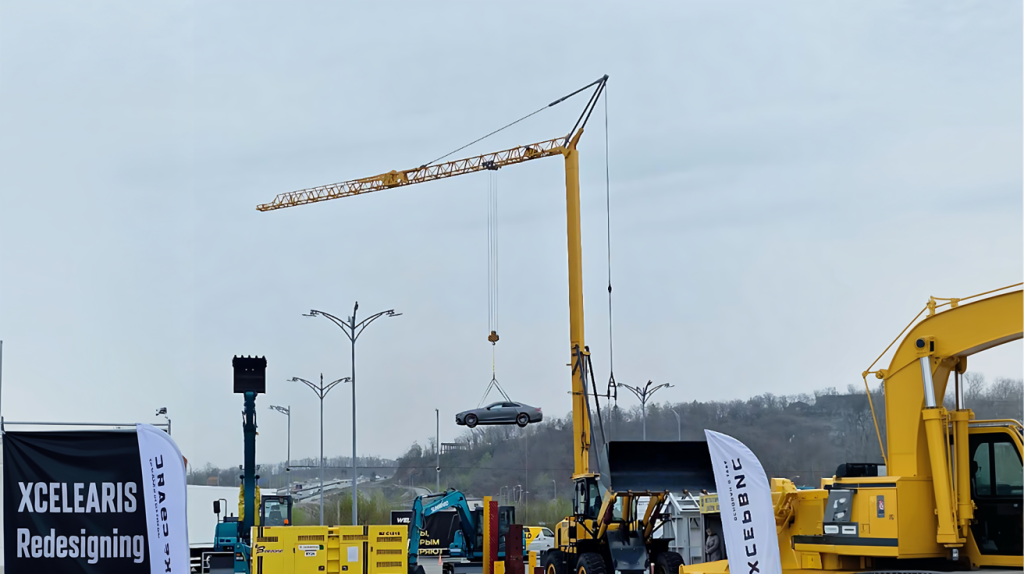
Most small urban housing fits comfortably inside a 1.5 to 4 ton self-erecting class. Here is how to size it without overbuying:
- Hook height: add at least 4 m above the finished roof ridge for safe pick-and-set clearance. A 3-story build with a 10 m ridge needs ~14 m under hook.
- Jib length: measure from the crane’s base to the farthest point on the slab plus 2 m safety margin. Most small jobs land between 22 m and 32 m of jib.
- Tip load: the load at maximum radius matters more than max capacity. Confirm the crane can still lift 600–800 kg at full reach if you plan to fly precast staircases or roof trusses.
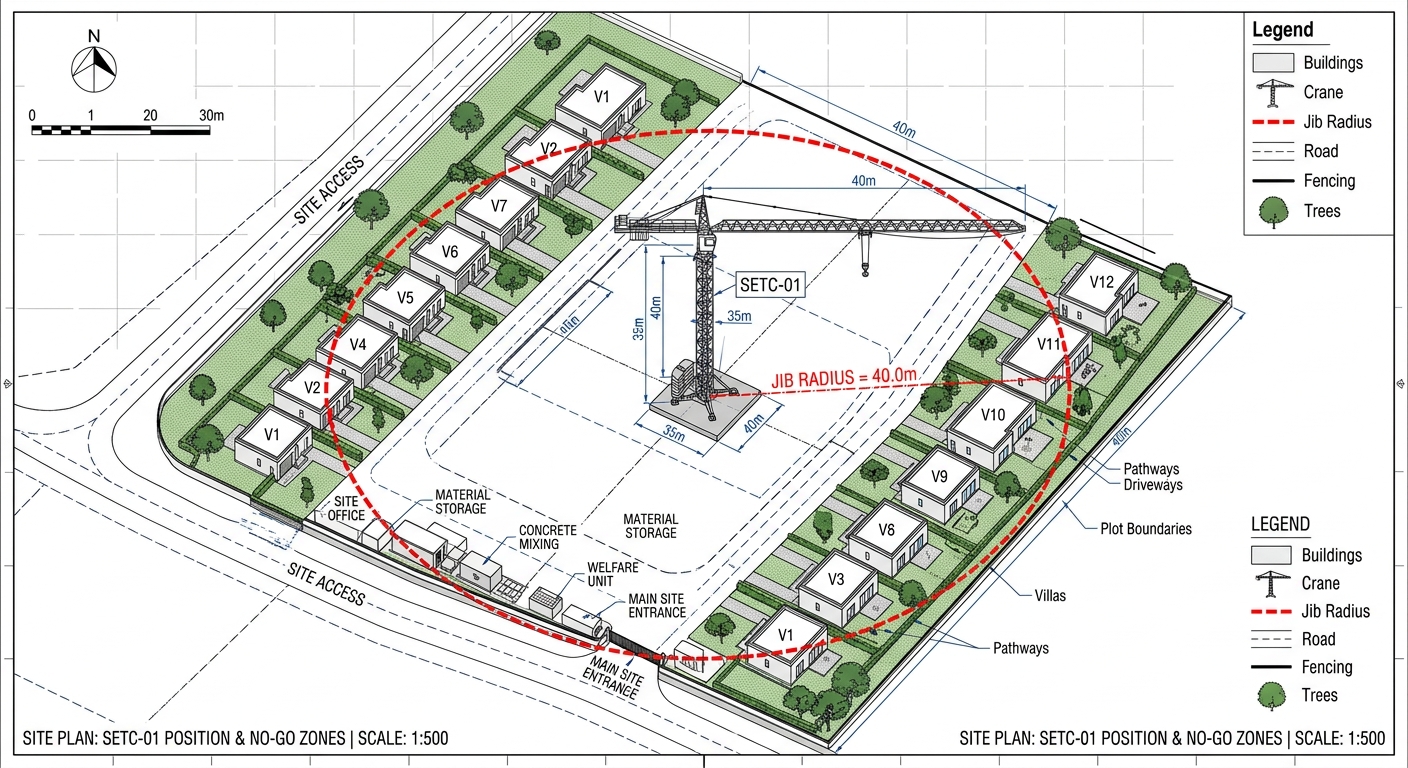
For example, a contractor building six 4-bedroom villas in two staggered rows used a 3-ton, 30 m jib model. The crane sat between rows 1 and 2 and reached all six roof peaks without relocating — saving roughly two weeks of remobilization time compared to a mobile crane rotating between plots.
If you are unsure which class fits, our tower crane engineering team will run a lift study from a simple site sketch.
Site Planning: Where to Park the Crane
Position dictates productivity. Get this wrong and you will be relocating the crane mid-project — which on a self-erector means folding, trucking, and re-rigging. A day lost, easily.
Four placement rules that matter
- Centroid rule: place the mast at the geometric center of all expected lift points. The crane should never have to slew more than 180° to reach any work zone.
- Wind side: position so the prevailing wind weathervanes the jib away from neighboring buildings when out of service.
- Power access: most self-erectors need 380–415 V, 3-phase, 32–63 A. The mast should be within 30 m of a connection point to avoid voltage drop on heavy lifts.
- Oversail rights: in dense urban areas, you may need written permission from neighbors to slew the jib over their roofline — even when out of service. Sort this before mobilization, not after.
One Middle East developer we worked with positioned a 2-ton self-erector on a 12×40 m linear plot. By offsetting the mast 4 m from the back wall, the operator could reach the street-side scaffold and the rear courtyard without ever swinging the jib over the adjacent occupied villa. Zero complaints, zero permits beyond the standard one.
Foundation and Base Options
Self-erecting cranes give you three base choices, and the right one depends on ground conditions and how long the crane stays.
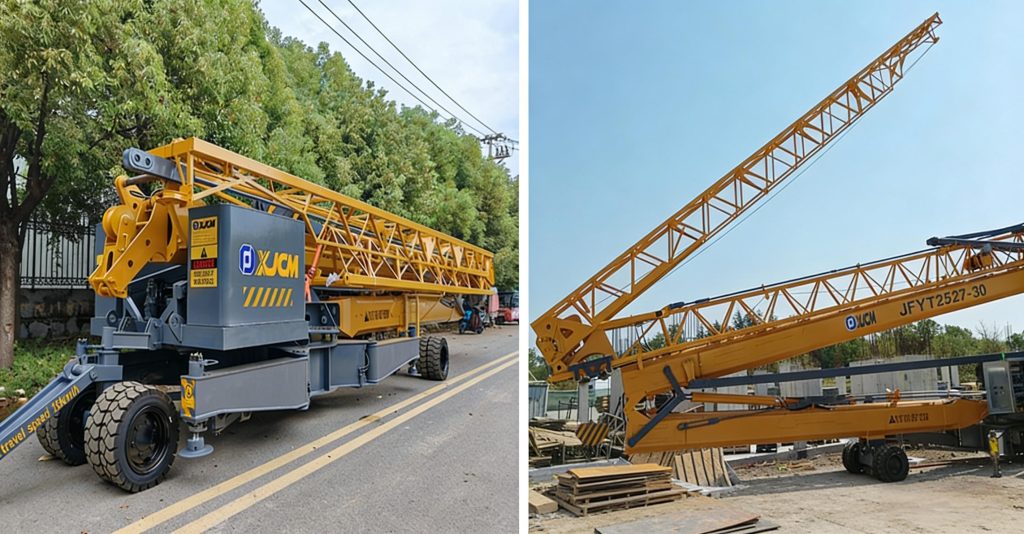
- Cruciform outrigger base (most common): four hydraulic outriggers spread to roughly 4.5×4.5 m, sitting on steel pads or timber mats. No concrete required. Ideal for 2–6 month projects on firm subgrade.
- Ballasted base: concrete counterweight blocks bolted to the cruciform. Used when soil bearing capacity is marginal — adds 8–15 tons of dead weight to redistribute load.
- Traveling base on rails: for linear sites like a row of 5+ townhouses, mounting the crane on a rail bogie lets it move along the build without re-erecting. See our notes on travelling tower crane configurations for when this pays off.
Confirm the ground pressure under each pad — usually 80–150 kN/m² at full load. On soft urban infill (old basements, made ground), a pre-pour 200 mm reinforced slab under each outrigger pad solves 90% of bearing problems.
The Setup Sequence: From Truck to First Lift in 4–8 Hours
This is what makes the self-erector special. The whole crane arrives folded on a single trailer (or two for larger 4-ton models). Here is the typical sequence:
- Hour 0–1: Offload, position the chassis on outrigger pads, level within ±0.5° using a digital inclinometer.
- Hour 1–2: Connect power, run hydraulic pre-checks, deploy outriggers fully.
- Hour 2–4: Hydraulic mast erection — the tower telescopes or unfolds from horizontal to vertical. Jib unfolds and locks.
- Hour 4–6: Counterweight verification, load chart programming, anemometer and limit switch testing.
- Hour 6–8: Test lifts at minimum and maximum radius. Operator handover.
Two riggers plus the supervising erection technician handle the whole job. Compare that to a top-slewing crane: 3-day foundation pour, 7-day cure, 2-day mast climb, separate jib lift with assist crane. Easily 12 working days against one.
What It Actually Costs
Numbers vary by market, but here is a realistic cost frame for a 2–3 ton self-erecting crane on a 6-month small urban housing project:
- Purchase (new from China): USD 55,000–110,000 depending on jib length and capacity class.
- Monthly rental (where available): USD 3,500–6,500 including basic maintenance.
- Mobilization & erection: USD 2,000–4,500 each way (transport + 2-day crew).
- Power consumption: roughly 15–25 kWh per active hour. At USD 0.12/kWh, that’s USD 25–45 per working day — versus USD 300–600 per day fuel for a 50-ton mobile crane on standby.
- Operator: one ground-based remote operator, often the site foreman with 3-day training, instead of a dedicated cab operator.
For an importer or contractor expecting to run 3+ housing projects per year, purchasing pays back inside 18–24 months versus repeat rental. Smaller one-off builds rent. We see distributors in Africa and Southeast Asia stocking 2–3 units to rotate across regional developers — a model that works well when paired with reliable spare parts support.
Safety Features Worth Paying For
Don’t cheap out on the electronics. The mechanical structure of a self-erector is well-proven, but the safety package is where budget models cut corners.
Non-negotiables
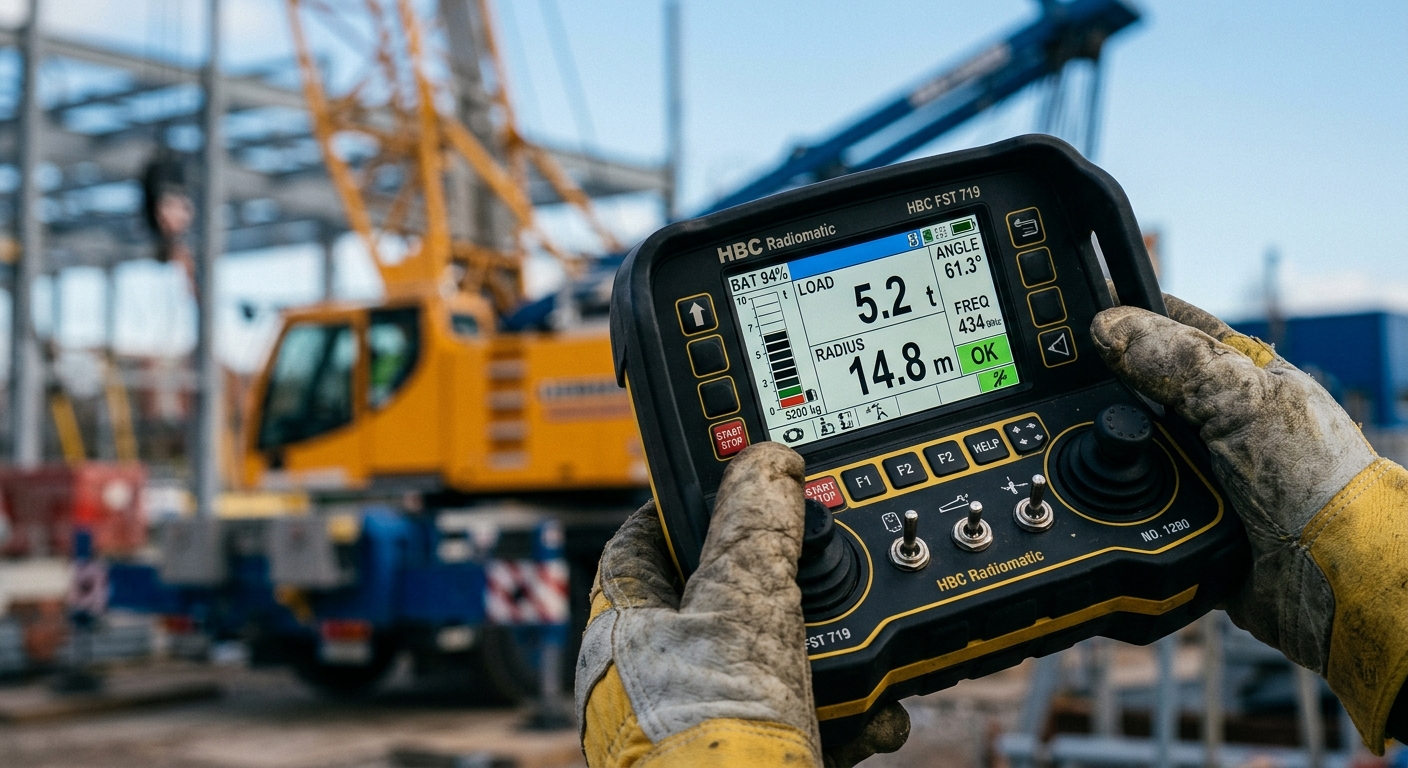
- Load moment indicator (LMI): shuts down the hoist before exceeding the load chart at current radius. Essential.
- Anemometer with auto-weathervane: above 45 km/h wind, the crane should automatically release the slew brake so the jib swings freely with the wind.
- Anti-collision zones: programmable virtual fences that stop slewing before the jib enters defined no-go zones — adjacent buildings, power lines, schools.
- Remote control with deadman switch: see how modern remote control improves operator safety by removing the operator from the load zone entirely.
A self-erector that tips because the operator missed the load chart is a catastrophe in a residential neighborhood. The extra USD 3,000–5,000 for a full safety electronics package is the cheapest insurance you will ever buy.
Common Mistakes to Avoid
After years of supporting urban housing projects across 40+ countries, the same handful of mistakes keeps showing up.
- Undersizing the jib by 2–3 meters to save money — then needing a mobile crane to reach the back corner. You just paid twice.
- Ignoring overhead lines. Minimum clearance is typically 6 m horizontal and 3 m vertical from any energized line under 33 kV. Map them before placement.
- Skipping the soil report. Urban infill sites hide old foundations, voids, and weak fill. A USD 400 soils check beats a tipped crane.
- No rain plan. Heavy rain can saturate outrigger pads. Have spare timber mats and a drainage channel around the base.
- Buying without after-sales backing. A crane with a 6-week parts lead time on a slew motor will sit dead on your site. Choose manufacturers with regional support — it matters more than the spec sheet.
Putting It All Together
For small-scale urban housing — the bread-and-butter of most regional contractors — a self-erecting tower crane is the productivity multiplier that pays for itself inside a few projects. Size the jib for full reach plus 2 m, position for centroid coverage, get the foundation honest, invest in real safety electronics, and you’ll have a crane that lifts 40–60 picks a day from a footprint smaller than a parking space.
CNXJCM builds 1 to 4 ton self-erecting tower cranes engineered specifically for export markets — fast rigging, regional voltage options, and a spare parts network across Africa, the Middle East, Southeast Asia, and CIS countries. If you’d like a lift study, configuration quote, or distributor pricing for your next housing build, get in touch with our team and we’ll put a proposal together in 48 hours.


